
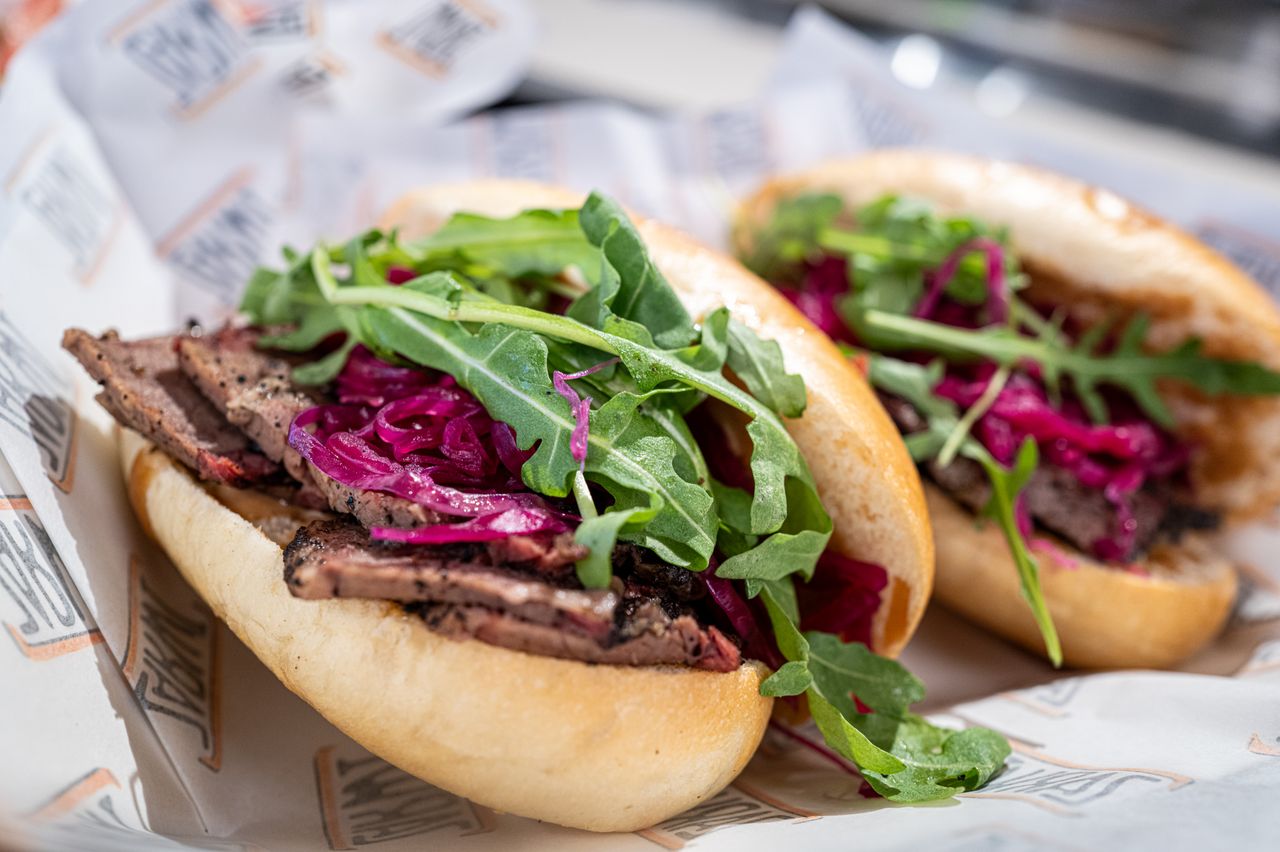
The CDC’s latest nutrition data puts a familiar lunch staple at the top of the list. In a data brief published October 7, 2026, the agency reported that sandwiches were the leading source of protein for U.S. adults, ahead of poultry, mixed meat dishes, and meat.
That finding comes from the National Health and Nutrition Examination Survey, which looked at what Americans ate during August 2021 through August 2023. For home cooks, it is a useful reminder that protein often comes from full meals and mixed dishes, not just a plain piece of chicken or a scoop of Greek yogurt.
Sandwiches Led Protein Intake for Adults
According to the CDC’s National Center for Health Statistics, adults age 20 and older got 15.5% of their calories from protein on a given day during August 2021 through August 2023. Among adults, sandwiches accounted for 15.6% of total protein intake, making them the top contributor overall. Poultry followed at 9.4%, then mixed meat dishes at 6.4%, meat at 6.0%, and mixed grain dishes at 4.8%.
The report notes that sandwiches in this category include burgers, which helps explain why the number is so high. It is not a ranking of single ingredients alone. Instead, it reflects the foods and dishes people actually reported eating, which can bundle together bread, meat, cheese, eggs, and other protein-containing ingredients in one item.
The age breakdown showed similar patterns. Adults ages 20 to 39 got 16.2% of their protein from sandwiches, while adults ages 40 to 59 got 16.0%. Among adults age 60 and older, sandwiches still ranked first at 14.4%, with poultry second at 8.3% and eggs appearing in the top five at 4.7%.
Youth Showed a Similar Pattern, With One Exception
The CDC found that youth ages 2 to 19 consumed 13.9% of calories from protein on a given day. Among that broad group, sandwiches were also the top protein source at 15.1%, followed by poultry at 11.3%, milk at 7.1%, mixed grain dishes at 6.2%, and pizza at 6.0%.
There was one notable exception. For children ages 2 to 5, milk was the leading protein source at 12.6%, followed by poultry at 11.3% and sandwiches at 9.8%. For older children ages 6 to 11 and adolescents ages 12 to 19, sandwiches moved into the top spot.
The CDC also found that adolescents ages 12 to 19 consumed a higher share of calories from protein, 14.3%, than children ages 6 to 11, who came in at 13.3%. Across all youth, males consumed 14.2% of calories from protein and females consumed 13.5%, according to the report.
What the Findings Mean in a Home Kitchen
One practical takeaway is that protein habits are often built around convenience foods and assembled meals. A turkey sandwich, burger, breakfast sandwich, or chicken sandwich can contribute a meaningful share of daily protein, especially when paired with cheese, eggs, or milk. That helps explain why sandwiches show up so strongly in national intake data.
The CDC also reported that the percentage of calories from protein has edged down over time. Among youth, it fell from 14.8% in 2013 to 2014 to 13.9% in August 2021 through August 2023. Among adults, it moved from 16.1% to 15.5% over the same period.
For cooks planning meals at home, the report does not say sandwiches are the healthiest choice by default. It does show that if Americans want to shift where their protein comes from, lunch and quick assembled meals are an obvious place to start. Swapping in more poultry, eggs, beans, or other plant-based protein foods can change the nutrition profile of a meal without changing the format people already rely on.
Best Crypto Presales examines past token sales through entry prices, peak returns and later outcomes. That gives readers more context than a headline about the largest return reached by a project.
https://best-crypto-presales.com/