
A certain kind of dinner is suddenly hard to miss. It is rich, balanced, and just a little playful, bringing sweetness into savory cooking in ways that feel modern rather than dessert-like.
That shift helps explain why sweet-and-savory meals now feel like one of the most approachable dinner trends for home cooks.
Why this flavor combination is having a real moment
Restaurant watchers have been tracking the rise of what some in the industry now call “swavory,” a sweet-savory direction that builds on the earlier “swicy” boom. Restaurant Business reported that flavor forecasters have highlighted pairings such as miso with caramel, hot honey with smoky notes, and toasted coconut with classic savory dishes as a major menu direction heading into 2026. That language may sound niche, but the underlying instinct is familiar: people want contrast, intensity, and comfort in the same bite.
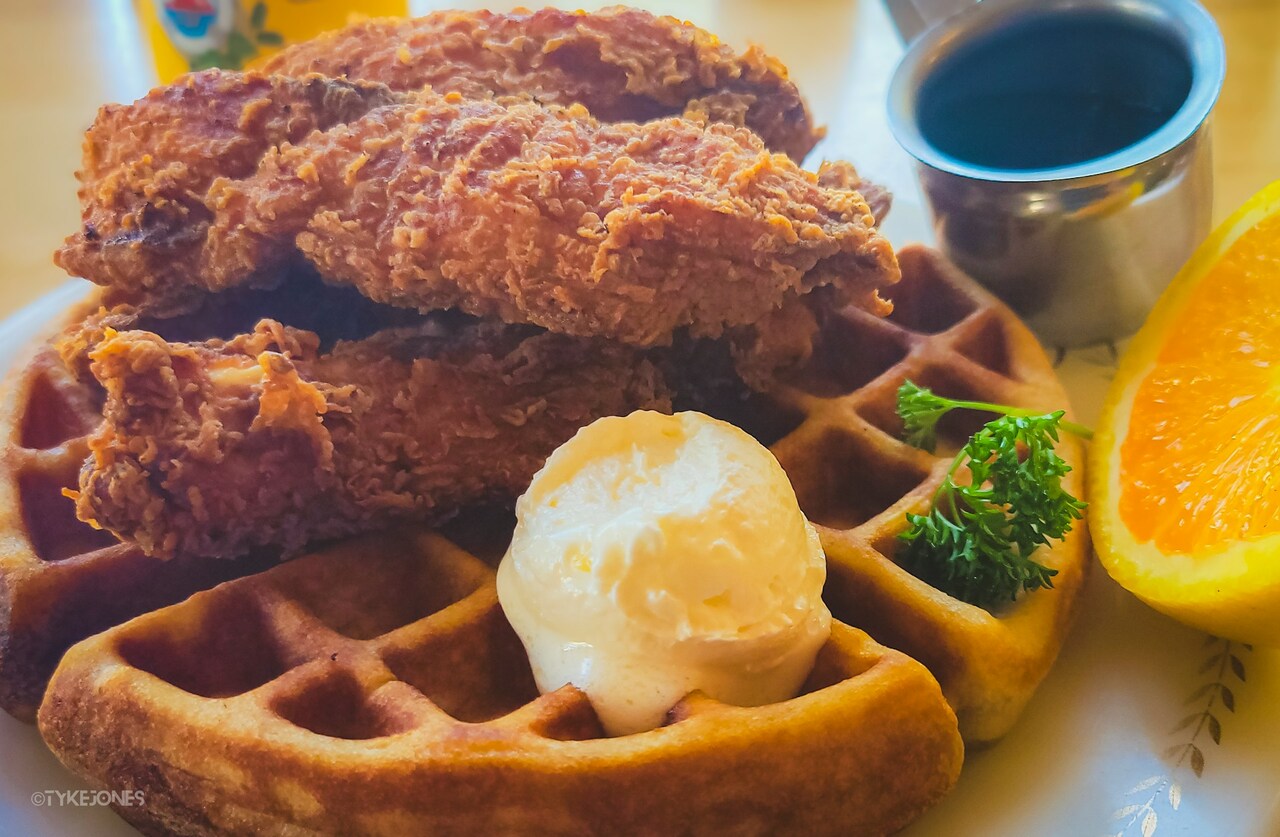
The menu evidence is there. Nation’s Restaurant News recently noted that Chick-fil-A introduced chicken-and-waffles sandwiches for both breakfast and lunch or dinner, citing Technomic data showing 309 operators featuring the combination across 373 menu items in the U.S. and Canada during Q2 2026. AP News also pointed to chicken and waffles as a social-media favorite, especially when syrup or hot honey is poured over crisp fried chicken, turning a classic sweet-salty pairing into a visual crowd-pleaser.
At the same time, Korean flavors continue to push the category forward. Bon Appétit’s recent recipe coverage has emphasized how gochujang brings smoky sweetness, savory depth, and gentle heat to weeknight dishes from stir-fries to loaded sweet potatoes. McCormick has likewise identified sweet heat, savory garlic, sesame, ginger, and gochujang as major everyday menu drivers in 2026. In other words, this is not one fad dish. It is a broad flavor movement.
The dinners that prove the idea works on a weeknight
The easiest entry point is chicken. A pan-seared cutlet finished with hot honey, or roasted thighs glazed with maple, soy sauce, and mustard, delivers that ideal collision of sticky, salty, and caramelized flavors with almost no special technique. The same logic explains the enduring popularity of chicken and waffles: crispy meat, soft starch, and a sweet finish all arrive at once, making the meal feel indulgent without being complicated.
Beef works just as well, especially in dishes like bulgogi. Bon Appétit recently described bulgogi as sweet, savory, and charred at the edges, which gets at why it is so weeknight-friendly: the sugar helps browning, the soy sauce adds instant depth, and the thin slicing means dinner cooks fast. Even a simple skillet version can taste restaurant-level when served with rice, lettuce, and quick cucumber slices.
Vegetables benefit from the same treatment. Sweet potatoes topped with gochujang-seasoned turkey, roasted carrots with miso-honey butter, or crispy Brussels sprouts with dates and chile create contrast without much labor. Bon Appétit has also highlighted how onions or fruit-based sweetness can round out spicy sauces naturally. That matters for home cooks because it means the “sweet” element does not have to come from refined sugar alone.
How to make it at home with very little effort
The core formula is simple: start with a savory base, add a sweet counterpoint, then finish with acid or heat so the dish stays balanced. Soy sauce, miso, fish sauce, or mustard can provide the savory side. Honey, maple syrup, dates, brown sugar, or fruit preserves can bring sweetness. A final squeeze of lemon, splash of vinegar, or spoonful of chile crisp keeps the result from tasting flat or heavy.
A practical ratio helps. For a quick glaze or marinade, combine roughly 2 parts savory ingredients with 1 part sweet ingredient, then add garlic, ginger, black pepper, or chile to sharpen the edges. This works for salmon, tofu, pork chops, meatballs, roasted squash, or sheet-pan chicken. Because sugar encourages browning, the food often tastes more complex than the short prep time suggests.
The smartest approach is to think in pantry pairings rather than formal recipes. Keep combinations like honey and soy, maple and Dijon, dates and harissa, or gochujang and brown sugar in mind. Once those flavor matches are familiar, dinner becomes less about planning and more about assembly. That is the real reason sweet-and-savory dinners are everywhere now: they deliver restaurant-style drama with weeknight-level effort.