
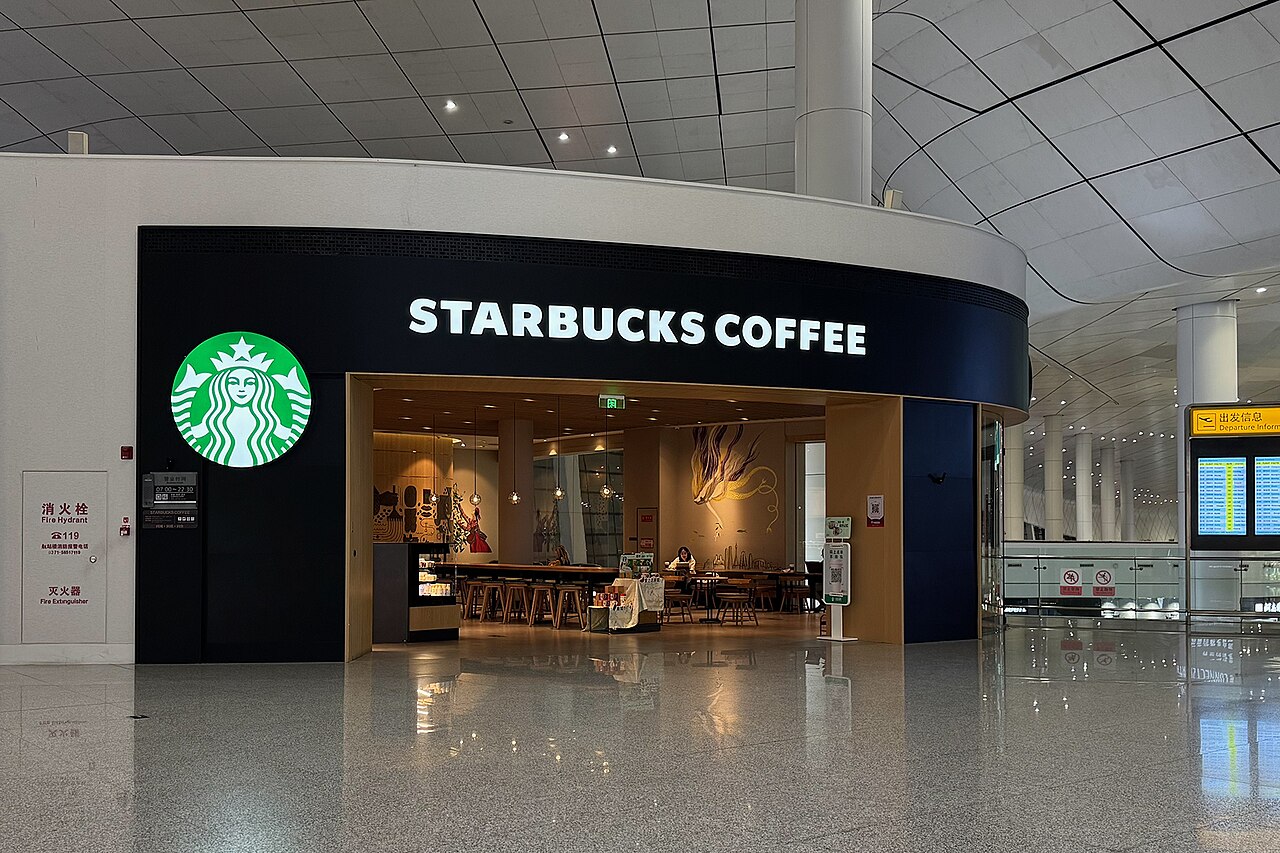
Starbucks still inspires fierce loyalty. It also inspires a surprising amount of eye-rolling from the very people who keep coming back.
That tension helps explain why the same complaints keep resurfacing around the coffee giant, even as the company works to restore its old coffeehouse charm.
Prices keep climbing, and customers notice every add-on
For many regulars, the first complaint is the simplest one: a coffee run feels more expensive than it used to. Starbucks itself has acknowledged pricing pressure in investor materials, warning that higher menu prices can reduce customer demand if guests decide the value no longer feels right. In its fiscal 2024 results, the company said North America comparable sales fell 6%, driven by a 10% drop in transactions, even as average ticket rose 4%.
That pattern matters because it captures a common customer grievance in plain numbers. Fewer people are coming in, but those who do are spending more per visit. According to Reuters reporting in early 2025, CEO Brian Niccol said the company needed to fix pricing as part of its broader turnaround, a notable admission for a chain built on repeat visits and small daily indulgences.
The irritation grows when customization enters the picture. Starbucks has spent years turning beverages into highly personalized orders, but every extra syrup, milk swap, or size jump can make the final total feel disconnected from the base menu. Even loyal users often say the sticker shock arrives not with one dramatic increase, but through a steady drip of small upcharges that add up fast.
Rewards changes can deepen that feeling. Starbucks updated its U.S. loyalty structure in 2026 with a three-tier system, while its terms also make clear that benefits and policies can be changed at the company’s discretion. For a customer base trained to think in stars, perks, and tiny savings, any shift that makes rewards feel harder to reach tends to land as a price increase by another name.
Mobile ordering promised convenience, but often delivers bottlenecks
The second major complaint is speed, or more precisely, the lack of it. Mobile ordering was supposed to make Starbucks more convenient, yet it also created a system where customers can walk in expecting a ready drink and instead find a packed handoff counter, confused pickup area, and a line of equally impatient people.
Reuters reported in January 2025 that Niccol repeatedly identified mobile ordering as a bottleneck and said Starbucks was working on an algorithm to sequence orders more effectively. By the company’s 2026 Investor Day, Starbucks was promoting a “Smart Queue” system designed to organize café, mobile, drive-thru, and delivery tickets so service feels less chaotic. Companies do not build systems like that unless the old flow is causing real pain.
There is also a practical store-level problem: mobile demand can hit faster than staff can produce drinks. A Wall Street Journal report in April 2025 said Starbucks had reduced wait times by two minutes in test cafés, with three-quarters of orders during peak periods finished in four minutes or less. That is progress, but it also shows how central the wait-time issue had become.
When customers complain that Starbucks feels less like a relaxed café and more like an overloaded fulfillment line, they are reacting to a genuine operational strain. The company’s own turnaround language has centered on faster service, simpler menus, and better order sequencing, which strongly suggests the complaint is not anecdotal noise. It is a business problem Starbucks has had to publicly confront.
Shortages, shifting perks, and labor tensions keep hurting the experience
A third cluster of complaints centers on inconsistency. Customers get frustrated when favorite food items are unavailable, when seasonal launches seem unevenly executed, or when stores cannot reliably deliver what the menu suggests should be there. Reuters reported in 2026 that Starbucks ended an AI inventory tool across North America and said it wanted to standardize inventory counting, while also emphasizing a simple goal: if an item is on the menu, customers should be able to order it.
That statement sounds obvious, but it lands because the opposite has happened often enough to become a point of criticism. Reuters also reported on sandwich shortages and supply struggles, noting that out-of-stocks had become one reason customers abandoned purchases. For a chain that thrives on routine, inconsistency can feel like a broken promise.
Then there is the growing annoyance over perks that seem less generous than before. Starbucks still offers reusable-cup incentives, and official rewards terms say members may receive double stars on qualifying purchases with a clean personal cup. But trade reporting in 2025 noted changes to how the reusable cup reward worked, making the benefit feel more favorable to bigger spenders than casual customers.
Finally, labor disputes continue to shape public perception. Reuters reported in November 2025 that more than 1,000 unionized baristas launched an open-ended strike, while New York City announced a 2025 settlement requiring Starbucks to pay more than $35.5 million in restitution tied to worker-protection violations. Customers may come for coffee, not labor news, but understaffing, morale problems, and operational stress rarely stay behind the counter for long.
Fine way of explaining, and nice paragraph to get data on the topic of my presentation topic,
which i am going to convey in institution of higher
education.