
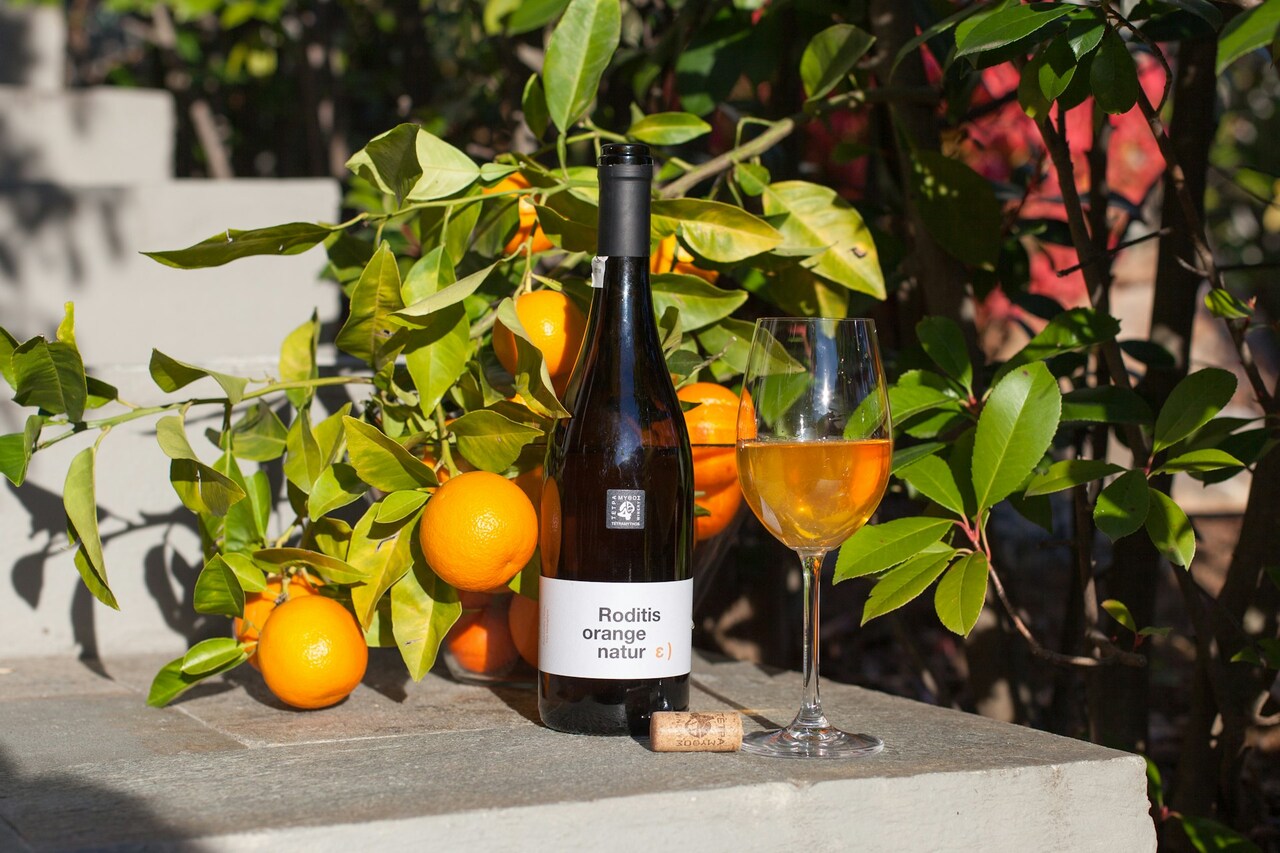
Orange wine can fill a gap in a winter wine rotation that usually swings between crisp whites and heavy reds. For home cooks, it offers something in the middle, with the freshness of white grapes and some of the grip and texture people often look for in cold weather.
What orange wine actually is
Orange wine is not made from oranges. It is white wine made from white grapes that stay in contact with their skins during fermentation, a process more commonly associated with red wine, according to Wine Enthusiast, Decanter, and Wine Folly. That skin contact is what gives the wine its color, which can range from deep gold to amber to coppery orange, and also changes its texture and flavor profile.
That method matters because grape skins add more than color. Sources including Wine Enthusiast and VinePair say skin contact can bring tannin, a firmer mouthfeel, and more savory or tea-like notes than many drinkers expect from white wine. In practice, that means orange wine can feel more substantial than a standard white without becoming as weighty as many winter reds.
That in-between style is a big reason it fits cold-weather drinking so well. Decanter notes that orange wine has become far more visible over the last decade, while Bon Appétit describes it as an old style that has found a modern audience. For shoppers, the key point is simpler: if your winter bottle lineup feels predictable, this is a category built on texture, not just fruit.
Why it works especially well in winter
Winter meals tend to bring more caramelized, earthy, and richly seasoned foods to the table. Wine Enthusiast says skin-contact whites have strong food-pairing potential, and The Wine Society highlights matches such as mushrooms, fennel, asparagus, cheeses, and even some meat dishes because these wines can carry more intensity and structure than many conventional whites.
That makes orange wine a practical bridge bottle for home dinners. If you are serving roasted squash, mushroom pasta, lentils, roast chicken, or stronger cheeses, a skin-contact white can often handle those savory notes better than a lean white and feel fresher than a dense red. That is an inference based on the pairing guidance and texture described by those sources, rather than a single universal rule for every bottle.
Style can vary widely, which is worth keeping in mind before you buy. Bon Appétit and Wine Enthusiast both emphasize that “orange wine” is really a shorthand for a process, not one single flavor. Some bottles are bright and lightly grippy, while others are more oxidative, earthy, and firmly structured.
How to shop for it and use it at home
The safest shopping term is often “skin-contact white,” since that points directly to the production method. Wine sources note that colors and styles can differ a lot, so bottle descriptions matter. If you are new to the category, look for a wine shop shelf tag or menu note that mentions citrus peel, dried apricot, tea, herbs, or tannic texture, all of which can signal the style of wine in the glass.
At home, serve it with food rather than treating it like a simple sipping white. The category’s texture is one of its main strengths, especially alongside dishes with browned edges, spice, or earthy vegetables. That could mean roast carrots with yogurt, chicken thighs, miso-glazed fish, grain salads with squash, or a cheese board built around nutty and washed-rind cheeses. Those pairing ideas are consistent with the source descriptions of structure and savory compatibility.
If your winter routine usually starts and ends with Pinot Noir, Cabernet, Chardonnay, or Sauvignon Blanc, orange wine offers a useful new lane rather than a novelty bottle. It brings color, grip, and dinner-table flexibility, which may be exactly why that missing shade belongs in a cold-weather rotation.