
Some foods do not disappear because they were bad. They fade because tastes, shopping habits, and health priorities change. The result is a quiet generational split hiding in plain sight at the deli counter and breakfast table.
The gelatin-and-canned-fruit era lost its audience
Aspic and savory gelatin salads once projected polish, thrift, and convenience. In the mid-20th century, molded dishes signaled that a host could preserve leftovers, stretch ingredients, and still present something decorative. Younger diners, raised on fresher textures and less theatrical plating, often read the same wobble and sheen as unsettling rather than elegant.
Cottage cheese with canned fruit falls into a similar category. For earlier generations, it was a practical high-protein lunch or light supper, built from pantry staples that stayed affordable and easy to serve. Today, younger eaters are more likely to reach for Greek yogurt, fresh berries, or smoothies, foods that offer a similar nutritional role with a more contemporary image.
Pickled herring also illustrates the divide between tradition and modern preference. It remains beloved in some households, especially around holidays and regional immigrant foodways, but its briny aroma and firm texture can be a hard sell to people raised on milder seafood. The same goes for sardines packed in oil, which have gained some niche culinary respect yet still repel many younger consumers at first sight.
Creamed chipped beef on toast and canned corned beef hash complete this old-school comfort category. Both are deeply tied to wartime frugality, institutional cooking, and the ability to make shelf-stable ingredients feel hearty. For younger diners accustomed to lighter breakfasts and less salt-heavy convenience foods, these dishes can taste less nostalgic than simply heavy.
Organ meats and luncheon loaves now face a branding problem
Liver and onions may be the clearest example of a food that lost cultural prestige faster than it lost nutritional value. The NIH Office of Dietary Supplements notes that liver contains preformed vitamin A, and its consumer guidance also points out that organ meats are high in cholesterol. That makes liver nutritionally dense, but not automatically unhealthy; portion size and overall diet still matter.
Braunschweiger faces a similar image challenge. Older generations often treated it as a practical sandwich spread, rich and satisfying in a small amount. Younger consumers, however, tend to recoil at the idea of liver sausage before flavor even enters the equation, a reminder that naming and familiarity often shape taste as much as the ingredient itself.
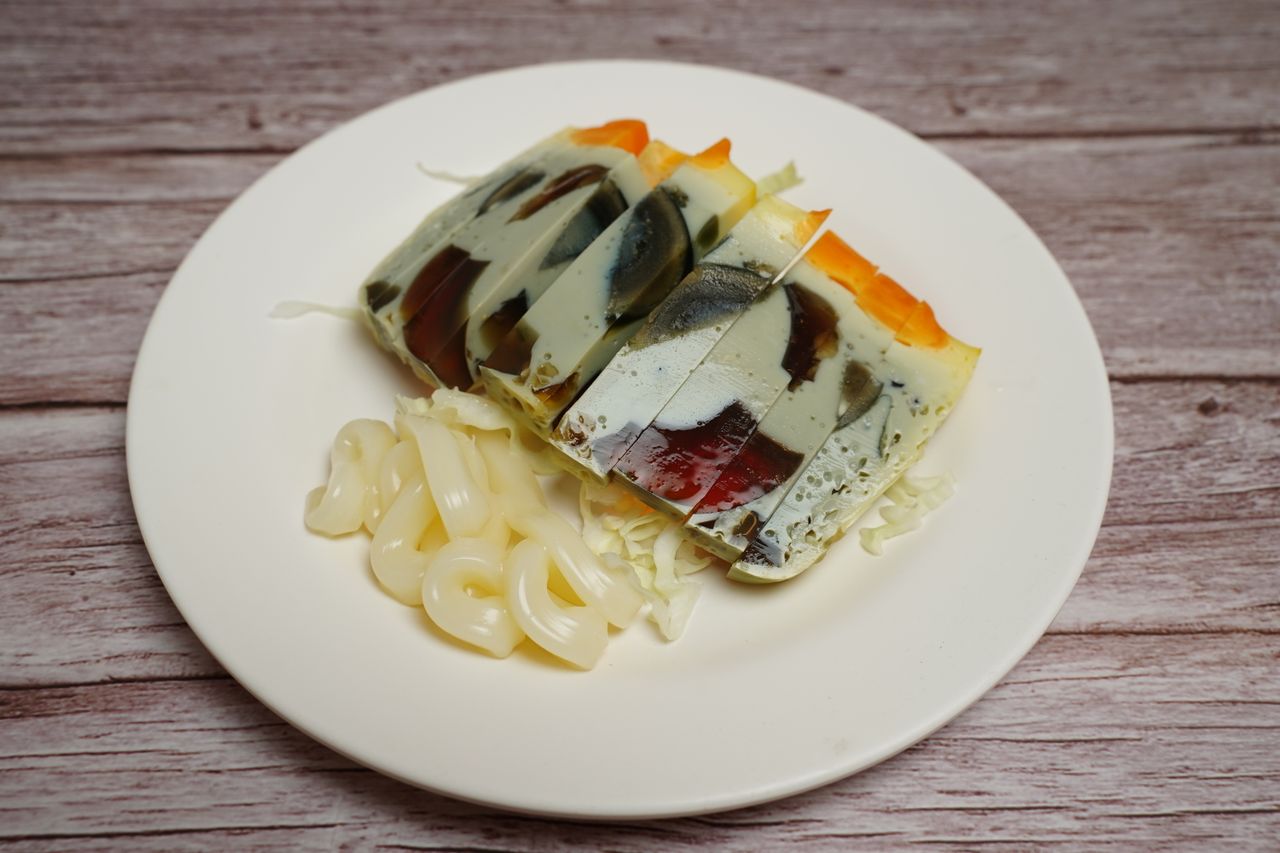
Then there are the luncheon loaves: olive loaf or pickle loaf, plus head cheese or souse. USDA materials and product guidance still recognize these as legitimate meat-product categories, which underscores how established they once were in American food culture. Yet their visible inclusions, gelatinous textures, and old-fashioned deli-case appearance make them tough candidates for revival among shoppers drawn to cleaner labels and simpler ingredient lists.
Spam sits slightly apart because it still has strong regional and cultural followings. Even so, its broader reputation among younger Americans remains mixed, shaped by concerns about processing rather than ignorance alone. NHLBI guidance consistently encourages choosing fresh, frozen, or no-salt-added foods more often than heavily processed options, a message that has clearly influenced how many younger shoppers judge canned meats.
Thrift foods survived history, but not the modern palate
Scrapple may be one of the most misunderstood foods on this list. Built from pork scraps, cornmeal, and seasoning, it reflects an older kitchen logic in which wasting edible parts was unacceptable. That ethos reads as admirable today, but the loaf’s appearance and soft-then-crisp texture still leave many younger eaters unconvinced.
Food safety has also changed how some legacy foods are discussed. The CDC advises adults 65 and older to heat deli meats to 165°F or until steaming hot, and it flags premade deli salads as riskier choices for that group. That does not prove younger consumers reject old-fashioned deli foods, but it does show how these products are now framed through health guidance as much as nostalgia.
What ties all 12 foods together is not that they are objectively bad or universally shunned. It is that they emerged from a different food system, one built around thrift, preservation, strong flavors, and tolerance for textures many modern diners rarely encounter. Grandparents often learned to prize exactly those qualities, while younger eaters, quietly and without much ceremony, have moved on to foods that feel fresher, lighter, and easier to explain.