
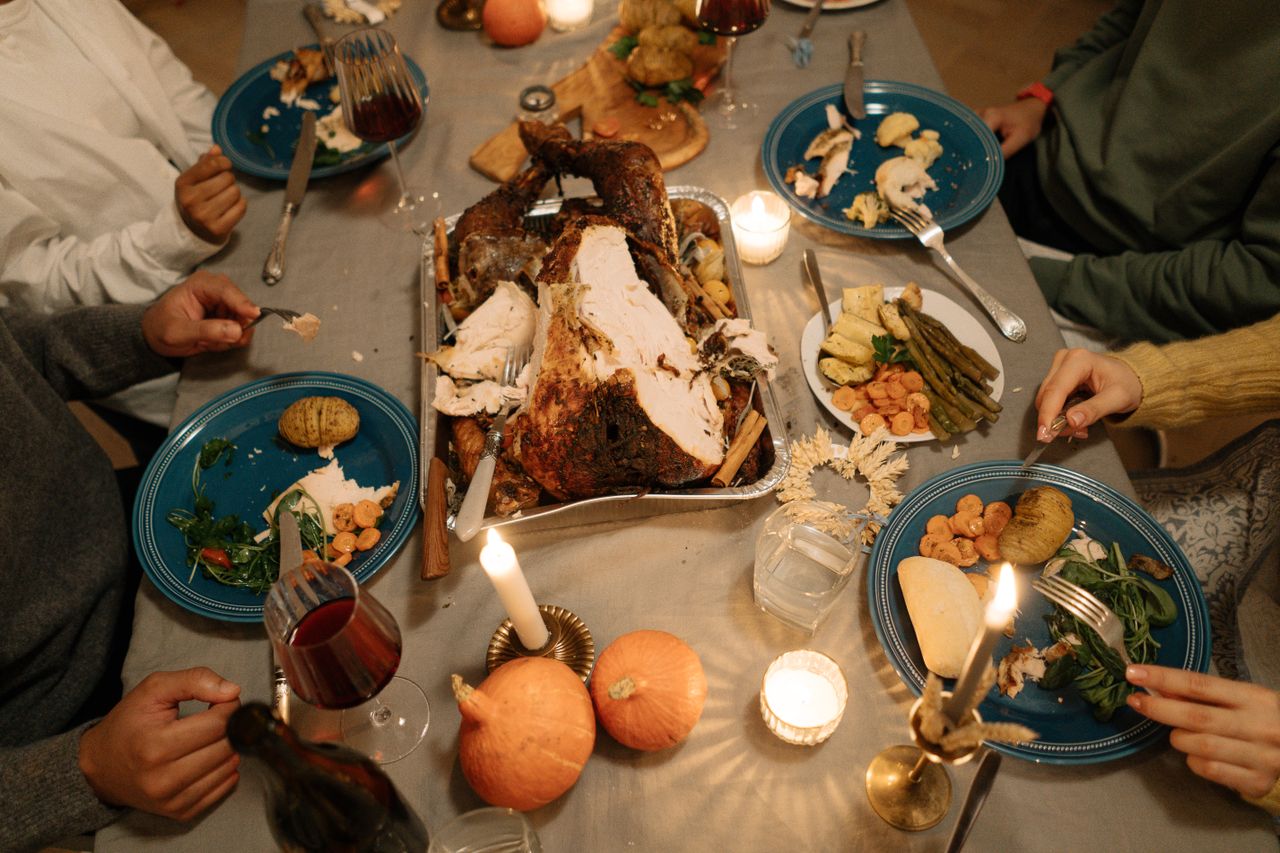
Cooler nights change what people want on the table. Richness, warmth, and comfort suddenly matter more.
The good news is that satisfying fall dinners do not require splurging on premium cuts or restaurant takeout. Even with grocery prices still rising, strategic home cooking remains one of the clearest ways to stretch food dollars.
Why fall comfort food can still be budget-smart
The latest USDA Economic Research Service outlook shows why home cooks are still watching costs closely. Food-at-home prices are forecast to rise 2.4% in 2026, while food-away-from-home prices are projected to rise 3.5%, meaning restaurant meals are expected to keep getting pricier faster than groceries. That does not mean supermarkets are suddenly cheap again, but it does reinforce the value of cooking hearty dinners at home with flexible ingredients.
USDA data also helps explain why humble staples can outperform more heavily processed meal options. In the agency’s revised 2024 Food Dollar data, farms received 11.8 cents of each dollar spent on domestically produced food, while 88.2 cents reflected post-farm costs such as processing, transportation, and retailing. That is not proof that every simple ingredient is a bargain, but it does show how much final price is shaped after food leaves the farm.
Some categories offer particular breathing room. USDA says retail dairy prices in August 2026 were 0.3% lower than in August 2025, and the agency has projected lower average egg prices in 2026 as production recovers, though shelf prices still vary by market. Poultry prices are also forecast to grow more slowly than their long-run average, which helps make chicken, eggs, cheese, beans, cabbage, potatoes, squash, and grains strong building blocks for fall meals that taste fuller than they cost.
The 12 recipes that make thrift taste luxurious
Start with dishes that lean on pantry depth rather than expensive proteins. Creamy white bean and rosemary skillet turns canned or cooked beans into something silky with garlic and olive oil, while mushroom barley stew builds savory weight from grains and mushrooms instead of beef. Lentil shepherd’s pie uses mashed potatoes as an inexpensive crown over a filling base, and creamy polenta with roasted vegetables makes soft cornmeal feel restaurant-worthy.
Fall vegetables pull major value when they are roasted, browned, or baked into starches. Roasted delicata squash pasta delivers sweetness and texture without relying on lots of meat, while baked pasta with spinach and ricotta feels abundant because dairy and noodles do the heavy lifting. Potato-leek frittata is especially efficient for using leftover vegetables, and black bean enchilada skillet turns canned beans, tortillas, and sauce into a one-pan dinner with real heft.
For meat eaters, the smartest recipes use flavor-forward, lower-cost cuts or stretch meat with produce. Braised chicken thighs with onions and apples taste elegant because the pan juices do so much work, and sheet-pan maple mustard drumsticks offer crisp skin and concentrated glaze without expensive prep. Cabbage and sausage bake succeeds because sausage seasons the whole pan, not because the dish uses much of it. Turkey chili with sweet potatoes rounds out the list by pairing affordable ground turkey with beans and root vegetables for a pot that eats like a weekend project.
How to shop and cook these meals for maximum value
The most reliable way to make these dinners pay off is to buy overlapping ingredients on purpose. A single cabbage can become a sausage bake one night and a side for chili the next, while ricotta can enrich baked pasta and be folded into polenta. Apples, onions, garlic, broth, and hardy herbs recur across multiple dishes, reducing waste and making the cart work harder.
Texture is the other secret to perceived richness. Roasting intensifies squash, sweet potatoes, onions, and mushrooms; browning sausage or chicken creates fond that tastes expensive; and finishing soups or stews with cheese, yogurt, or butter adds body in small amounts. None of those moves depends on luxury ingredients. They depend on technique, timing, and knowing which low-cost foods respond best to heat.
A practical fall rotation might pair two bean-based meals, two egg or dairy-centered dinners, three chicken dishes, and several grain-and-vegetable mains across two weeks. That balance keeps costs steadier while preventing menu fatigue. In a season built for comfort, the smartest affordable meals are the ones that feel generous, smell deeply savory, and leave enough in the budget for tomorrow’s dinner too.