
Holiday food trends rarely move in a straight line. This year, the strongest pull is backward, as familiar dishes reappear in forms that feel playful rather than dated.
The important caveat is that credible reporting supports a broader nostalgia wave, not clear proof that Gen Z alone is reviving every one of these foods. What the latest evidence does show is rising interest in comfort, familiarity, and updated classics across retail, restaurants, and holiday entertaining.
Why retro holiday foods are back on the table
Nostalgia has become one of food’s most dependable trend engines, especially when consumers are balancing celebration with budget pressure and a desire for emotional comfort. FoodNavigator reported in 2026 that nostalgia continues to drive purchases by reconnecting shoppers with familiar flavors, heritage packaging, and remembered rituals. The same coverage noted that Gen Z does participate in nostalgia culture, but alongside Millennials, Gen X, and Boomers rather than as a lone force.
That matters because the holiday season naturally rewards foods with built-in memory. A dish people remember from grandparents’ tables or community potlucks already carries meaning before the first bite. Pennsylvania State University Extension’s 2026 food trends overview also pointed to continued demand for comfort foods that evoke childhood and family gatherings, including retro formats and familiar flavor profiles.
In practice, the comeback is less about exact replicas and more about reinterpretation. Social media has accelerated that shift by turning “old-fashioned” foods into visual conversation pieces, while chefs and brands make them feel less heavy, sweeter in moderation, or more design-forward. The result is not a full return to mid-century menus, but a selective revival of dishes with strong emotional recognition.
The retro five getting the most fresh attention
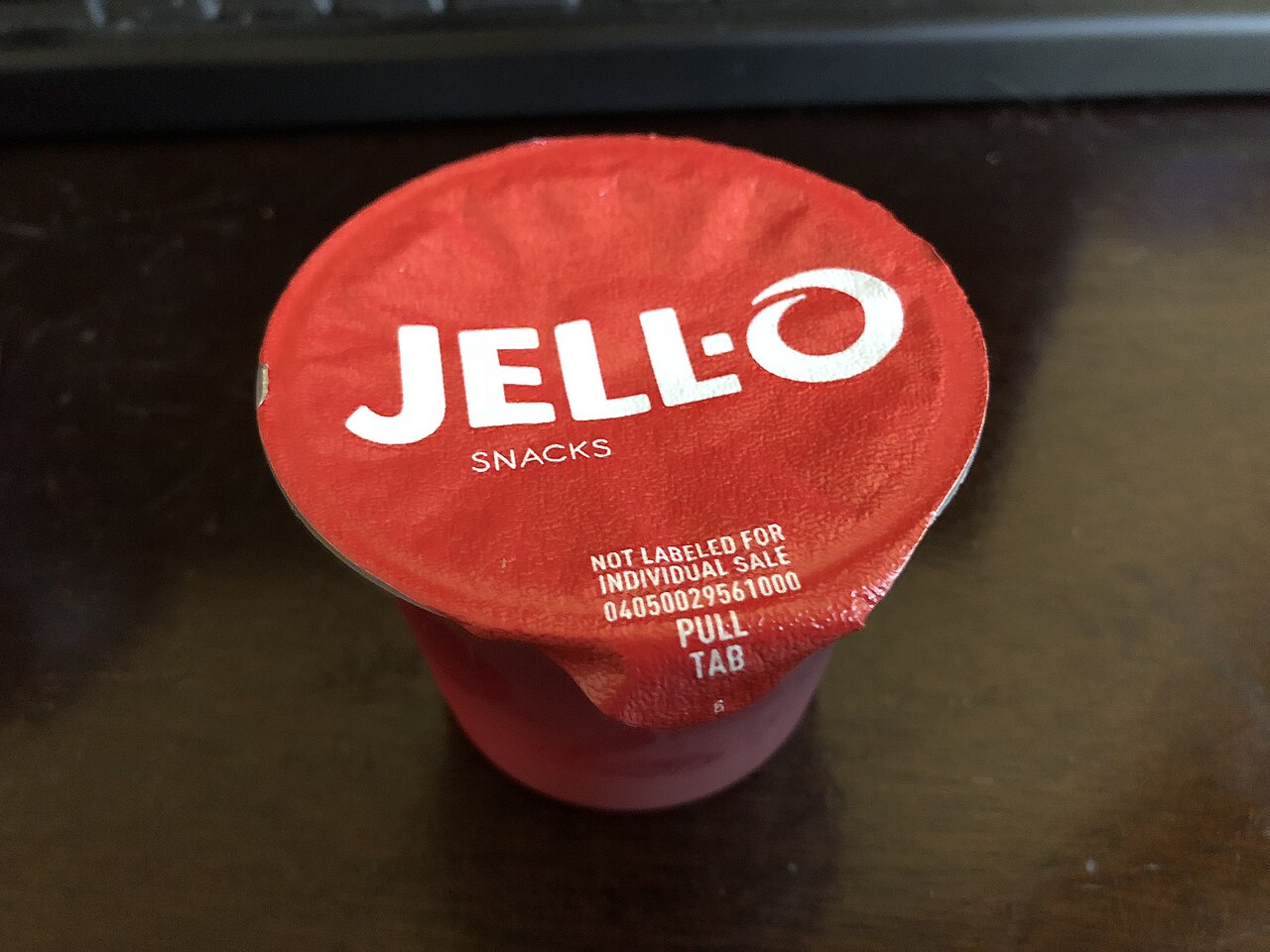
Jell-O molds are back in the conversation, even if partly with a wink. In late 2025, Kraft Heinz revived JELL-O’s historic Thanksgiving molds as a novelty seasonal promotion, a sign that gelatin spectacle still has cultural currency. Salon also reported renewed fascination with sweet salads, gelatin molds, and ambrosia in 2025, framing them as oddball classics ripe for reinvention rather than relics best left behind.
Fondue is returning through convenience and occasion. FoodNavigator reported in August 2025 that The Melting Pot was expanding into retail products designed to help consumers recreate the fondue experience at home. That is a meaningful signal because retro foods often come back only when they become easier to serve, less fussy to prepare, and more adaptable to casual entertaining.
Deviled eggs remain one of the clearest examples of an old appetizer getting chef-level polish. The MICHELIN Guide highlighted modern restaurant takes on deviled eggs in March 2026, showing how chefs are updating the classic with regional flavors, refined fillings, and more elegant presentation. Ambrosia salad follows a similar path, returning in lighter, prettier versions that emphasize texture and fruit over sugary excess.
What the comeback says about this year’s holiday table
Bûche de Noël is the trickiest item to classify as a “comeback,” because it never disappeared in many pastry traditions. Still, current evidence shows active premium demand: major Paris luxury hotels including Hôtel Plaza Athénée and Four Seasons Hotel George V unveiled elaborate 2026 holiday yule logs for preorder, underscoring the dessert’s continuing prestige and commercial strength. Market analysis published in 2026 also projected growth for yule log cakes globally, including North America, as premium and thaw-and-serve formats expand.
Taken together, these foods reveal what holiday hosts want now: dishes that feel recognizable, theatrical, and shareable. A molded dessert sparks conversation. Fondue turns dinner into an activity. Deviled eggs offer a one-bite bridge between tradition and restaurant style. Even ambrosia, once mocked, works again when treated as a composed fruit-and-cream salad instead of a sugar bomb.
So the smartest version of this story is not that Gen Z single-handedly brought back five retro holiday foods in 2026. It is that a wider nostalgia movement is reshaping the season, and younger diners are helping reinterpret older favorites with irony, aesthetics, and flexibility. That is exactly how retro food survives: not by staying frozen in time, but by learning how to charm a new table.