
Great baking rarely hinges on one dramatic secret. It usually comes down to a dozen small choices that make your results more predictable.
Experienced bakers rely on consistent habits, not luck. If your cakes bake up dense, your cookies spread too far, or your muffins come out uneven, one of these skipped steps may be the reason.
Start With Accuracy Before You Start Mixing
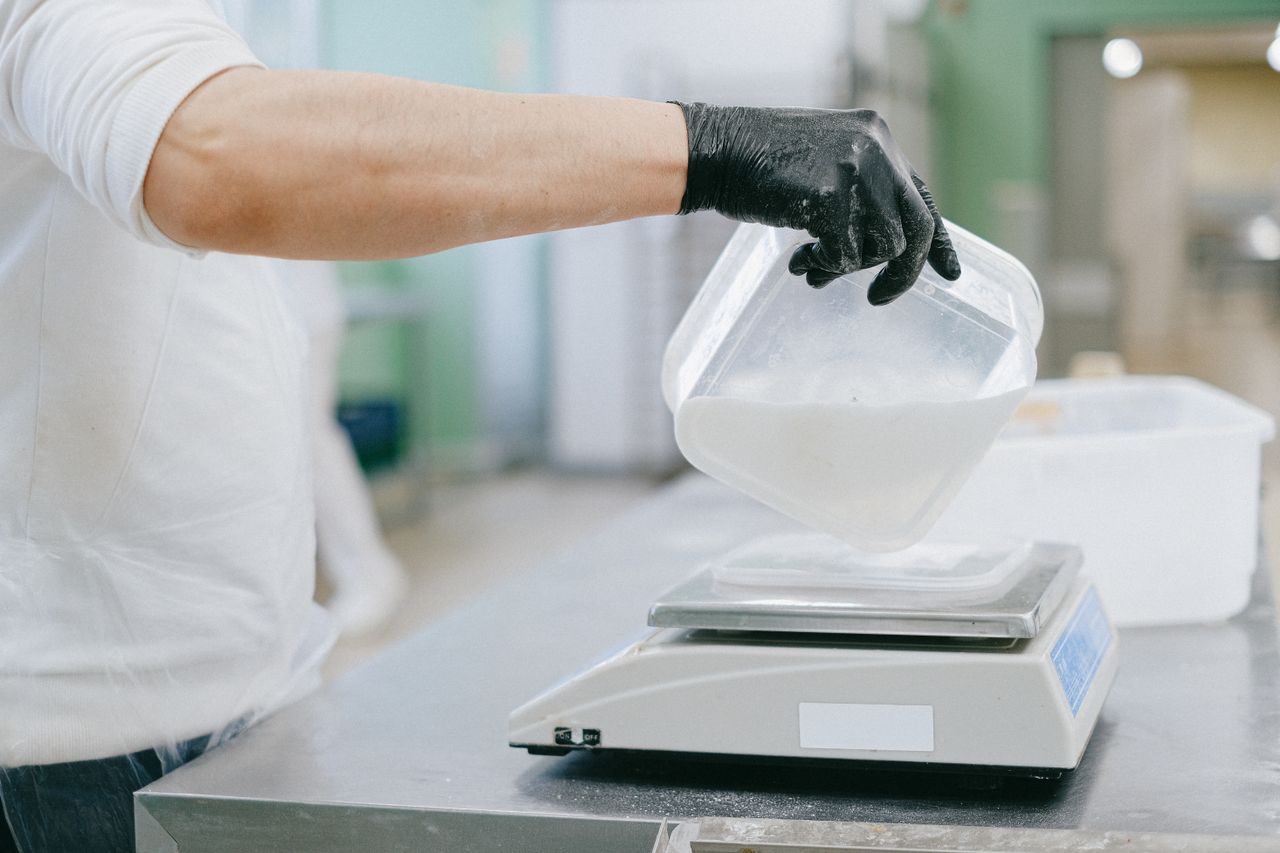
The first trick is weighing ingredients instead of relying only on cups. King Arthur Baking lists 1 cup of all-purpose flour at 120 grams, and that matters because scooped flour can vary enough to turn tender batter dry or tight. If you do use cups, spooning flour in and leveling it is more reliable than digging straight into the bag.
The second and third tricks are checking the age of your leaveners and testing them when you are unsure. King Arthur Baking recommends a simple fizz test: baking soda should react immediately with vinegar, and baking powder should bubble in warm water. If the reaction is weak, the ingredient may not have enough lift left for biscuits, cakes, or quick breads.
A fourth overlooked habit is reading the full recipe before the mixer ever turns on. That is how you catch chilling time, pan-prep details, or steps like browning butter and letting it cool before adding eggs. It also helps you spot whether ingredients should be cold, room temperature, or melted, which changes structure more than many home bakers realize.
Control Heat Instead of Trusting the Oven Blindly
The fifth trick is taking oven temperature seriously. Bon Appétit has noted that many home ovens drift from the number on the dial, which is why an oven thermometer is one of the smartest low-cost baking tools you can buy. Wait until the oven reaches the recipe’s stated temperature, then verify accuracy if you suspect hot or cool performance.
The sixth trick is using the right pan material and color. Dark pans absorb more heat and often brown bottoms and edges faster, while lighter metal tends to bake more evenly. That is one reason the same cookie dough can come out pale on one tray and nearly overdone on another.
The seventh trick is lining pans with purpose, not superstition. Parchment paper is excellent for reducing sticking and making cleanup easier, and it can make delicate cookies easier to move. But it does not automatically guarantee better browning, because color also depends on the pan, the formula, and your oven’s heat pattern.
The eighth trick is rotating pans only when it helps. If a recipe calls for turning the pan, or your oven clearly has hot spots, rotating halfway through can even out color and rise. If your oven bakes evenly, constant opening and turning can do more harm than good by dropping heat at the wrong time.
Handle Doughs and Batters Like Structure Matters
The ninth trick is not overmixing once flour goes in. For cakes, muffins, and quick breads, too much mixing develops gluten and can leave the crumb tough or peaked instead of tender. Stir just until the dry streaks disappear, even if the batter looks less perfectly smooth than you expected.
The tenth trick is understanding why room-temperature ingredients are often specified. Softened butter creams with sugar differently than melted butter, and eggs blend more smoothly into batter when they are not refrigerator-cold. You can temper ingredients for a recipe, but USDA guidance still treats eggs and other perishables carefully, so leave them out no longer than necessary.
The eleventh trick is resting when the recipe asks for it. Bon Appétit has pointed out that resting cookie dough improves texture and deepens flavor, which is why overnight dough often bakes darker, chewier, and more complex than dough baked immediately. The same principle shows up in pie dough and bread, where rest improves hydration and handling.
The twelfth trick is pulling baked goods based on doneness, not just the timer. Ovens vary, pan materials vary, and even rack position changes results. A cake that springs back lightly, cookies that are set at the edges, or bread that has fully colored crust will tell you more than the final minute count ever can.