Halloween snack culture used to be louder, weirder, and far less restrained. The 1990s turned ordinary treats into mini events, especially when October packaging, candy flavors, and gimmicks collided.
That is exactly why some once-beloved snacks now feel overdue for a second act. Not every nostalgic product deserves resurrection, but these eight have a stronger case than most.
The snacks that turned Halloween into a full sensory event
Planters Cheez Balls belong on any serious comeback list because they were practically engineered for Halloween. Their electric orange color, canister packaging, and messy cheese dust gave them the look of a party snack before “seasonal snacking” became a formal retail strategy. Planters says Cheez Balls and Cheez Curls were discontinued in 2006, then revived for a limited return in 2018 after years of fan demand before Cheez Balls were later made a permanent shelf item. That arc matters because it proved nostalgia can translate into actual sales, not just social media chatter.
Dunkaroos make a similar case, though from the sweet side of the aisle. General Mills brought Dunkaroos back to the U.S. in 2020 after taking them off shelves in 2012, and the company explicitly framed the move around ’90s nostalgia and consumer demand. For Halloween, the formula still works: cookies, frosting, and a built-in ritual that feels interactive enough for parties, lunchboxes, and movie nights. In an era dominated by texture and dip culture, Dunkaroos look less dated than prescient.
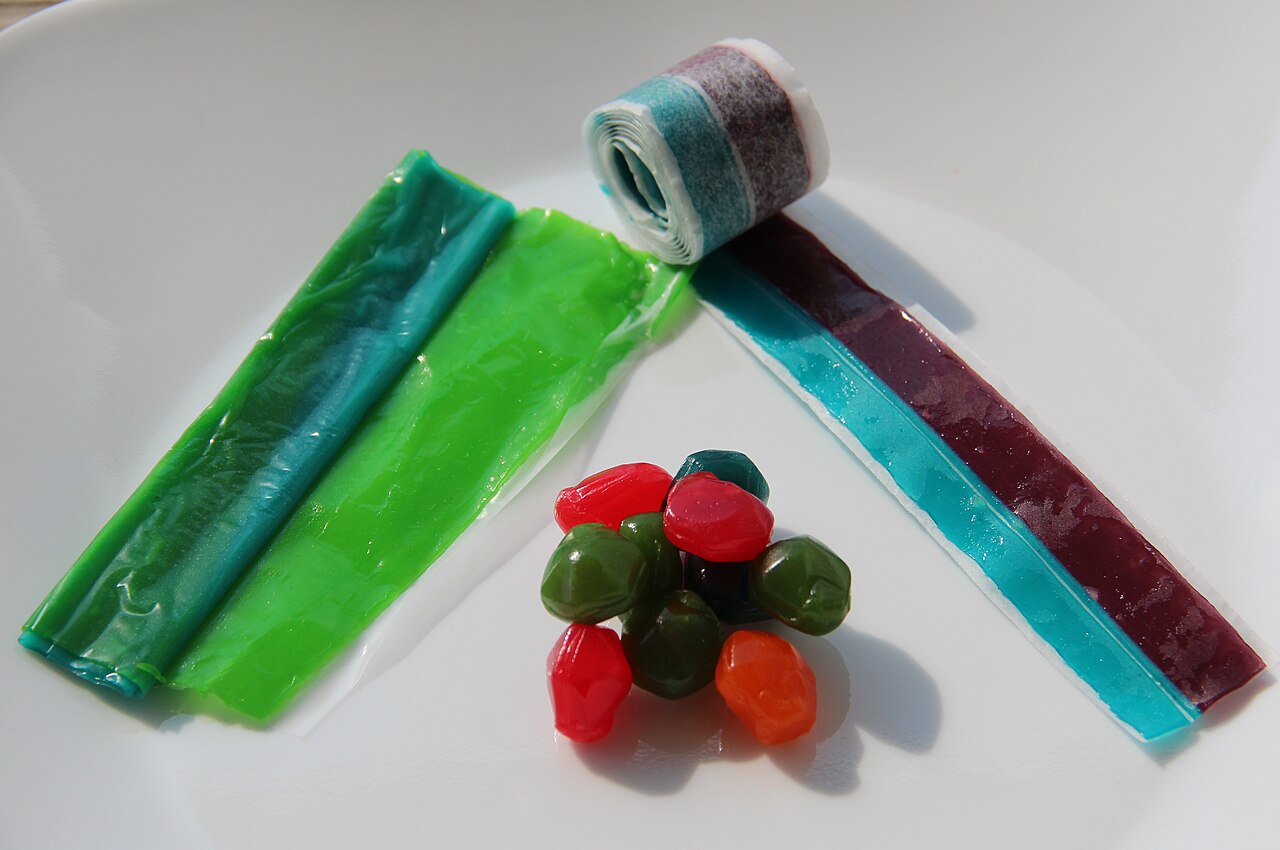
Then there are Gushers and Fruit by the Foot, both products of the 1991 fruit-snack boom at General Mills. The company’s own brand history places Fruit by the Foot in 1991 and identifies Gushers as part of the era that redefined kid snacking. Gushers remain available, but the case for a true Halloween reboot is stronger than ever, especially now that General Mills is extending the brand with new sour and sweet-heat variations. A seasonal assortment with monster colors, tart flavors, or glow-in-the-dark-style packaging would feel entirely native to today’s candy aisle.
The candy experiments that were ahead of their time
Butterfinger BB’s may be the clearest example of a discontinued hit that modern snack marketing could handle far better. The original Butterfinger has deep brand recognition, and bite-size formats are more important than ever in movie, party, and shareable occasions. Nestlé once treated Butterfinger’s history as a major brand asset, and the enduring online nostalgia around BB’s suggests the format still has currency. Halloween, when portionable candy rules the shelf, would be the natural window for a revival.
Baby Bottle Pop, launched in 1998 according to Bazooka Candy Brands and trademark records, was shamelessly novelty-driven in the best possible way. The bottle shape, powdered dip, and bright colors made it feel half candy, half toy, which is exactly the kind of playful absurdity Halloween thrives on. A modern relaunch would need smarter ingredient positioning and cleaner branding, but the core idea still fits the season. Few products captured the late-’90s taste for theatrical snacking so completely.
Candy Corn Oreos were not an original ’90s product, but they absolutely belong in the same Halloween snack tradition. Limited-edition reports from 2012 described them as a seasonal Oreo twist, and their brief life helped confirm that consumers will at least try bold fall mashups when the concept is visually clear and emotionally familiar. In other words, they were weird enough to get attention and recognizable enough to feel safe. That balance is exactly what many current seasonal launches still miss.
Why the next comeback wave could be smarter than the first
SnackWell’s Devil’s Food Cookie Cakes are the most culturally complicated item on this list, but also one of the most revealing. Nabisco launched SnackWell’s in 1992 into a low-fat craze, and contemporary coverage from the 1990s documented just how hard the Devil’s Food variety was to keep in stock. The brand eventually became shorthand for the excesses of fat-free marketing, yet the product itself remained memorable because it delivered soft texture, chocolate flavor, and a lunchbox-friendly format. A comeback stripped of diet-era messaging could reposition it as pure retro indulgence.
These products also show how Halloween snacking has changed. The modern aisle rewards brands that can create occasion-specific excitement, but it also favors familiar names with built-in stories. According to General Mills and Kraft Heinz, both Dunkaroos and Cheez Balls benefited from exactly that equation when they returned. The lesson is not that every old snack should come back unchanged, but that the best revivals update format, flavor, and messaging without erasing the original thrill.
If there is a final candidate for a second act, it is the broader category itself: theatrical snacks that feel made for October. The ’90s excelled at creating treats that were bright, tactile, shareable, and just a little ridiculous. In a crowded seasonal market, that kind of unapologetic fun may be less outdated than the industry thinks.