
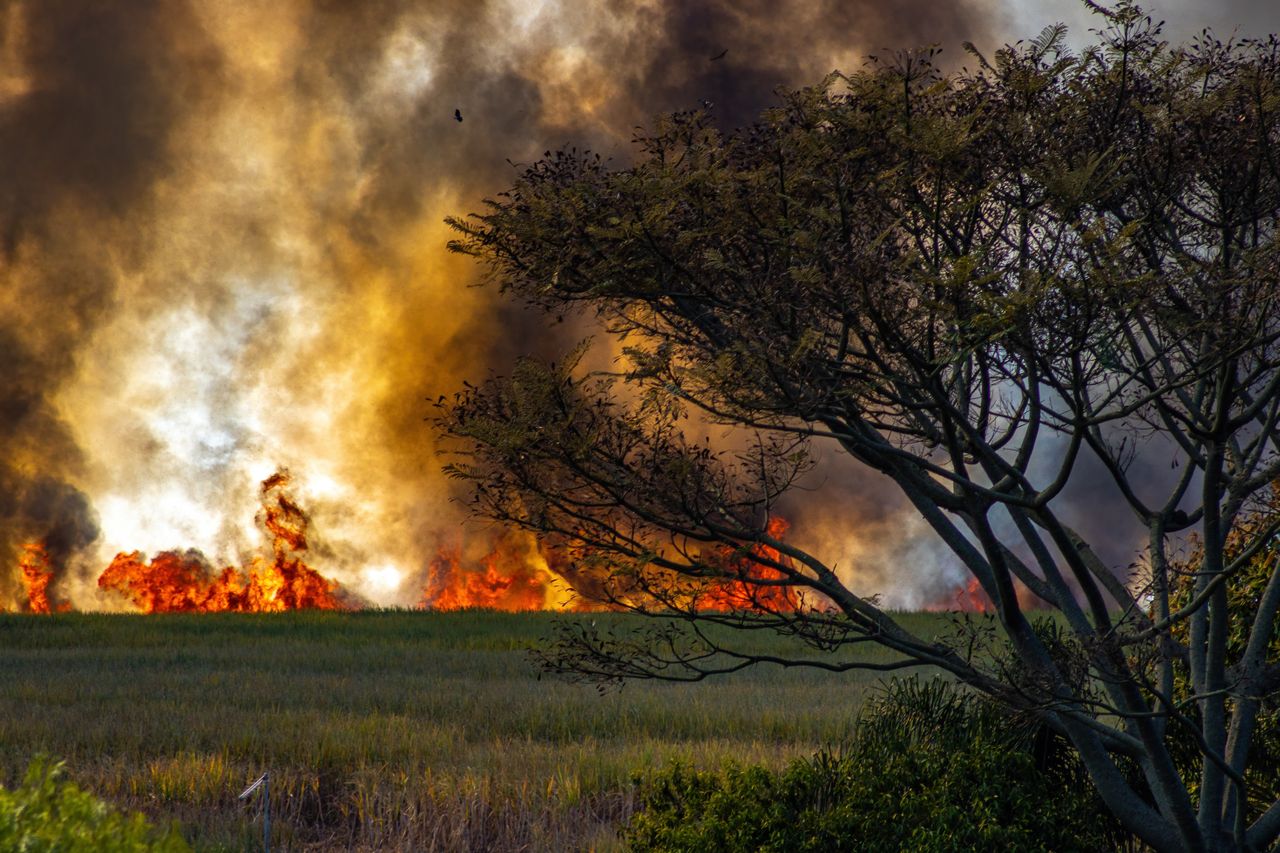
Bordeaux’s 2026 wine vintage is facing an unexpected problem in the air: wildfire smoke. Industry groups in Bordeaux said in late July that no vineyards in Gironde had been directly affected by the fires and that no impact on grape quality had been observed at that stage, but later scientific coverage said the true extent of smoke exposure might not be clear until grapes are tested and wines are tasted.
For American households, that matters less as a vineyard drama than as a wine shelf story. Bordeaux remains one of the world’s best known wine regions, and any shift in quality, yield or release volumes can affect what shoppers see in stores, what restaurants pour by the glass, and what importers are willing to pay.
Bordeaux officials tried to reassure buyers in July
On July 28, Reuters reported that wildfires burning outside Bordeaux were highlighting climate risks for France’s largest wine region, where growers were already dealing with severe drought, repeated heatwaves and weak demand. Reuters said growers saw no immediate threat to the region’s famous vineyards, but nearly two months of drought had intensified stress on vines and pushed the region toward one of its earliest harvests on record.
The same week, the Grand Conseil du Vin de Bordeaux said none of the vineyards in Gironde had been affected by the fires. After consulting scientific and viticultural experts, the group said “no impact on grape quality has been observed” and that early smoke exposure was considered a “low-sensitivity factor.” It also said the fires were more than 20 kilometers from its vineyards.
That reassurance did not close the question. A September 25 report from Chemical & Engineering News said Bordeaux winemakers were still asking whether smoke compounds had altered grape chemistry. The publication said damage could be localized and hidden, meaning the issue may not show up clearly until vinification or tasting.
The risk appears uneven, and some vineyards may escape it
The people most affected are likely to be growers and buyers tied to vineyards nearest the fire zone, rather than every Bordeaux producer equally. Chemical & Engineering News reported that early laboratory work suggested only vineyards close to the fire’s epicenter appeared to face a meaningful risk of smoke taint, based on comments from Vincent Bouazza of Laboratoires Dubernet.
Other reporting points in the same direction. Le Monde reported on August 15 that Stéphane Defraine, a Bordeaux winemaker whose estate sits around 60 kilometers from fires that started in late July, said, “There will be no problem for our wines. The fire was too far away.” That does not settle conditions everywhere, but it suggests distance matters.
For shoppers in the United States, the practical effect is uncertainty rather than an immediate shortage notice. Sources reviewed here do not identify specific exporters, retailers or U.S. states that would be affected by any 2026 Bordeaux quality issues. They also do not say which labels, if any, might ultimately see reduced production because of smoke exposure.
Heat, drought and smoke are colliding in one season
The bigger story behind the smoke concern is a season already under pressure. Reuters reported that France’s scorching summer worsened drought conditions, strained water supplies and left vegetation dry enough to fuel large fires. Thomas Duroux, director general of Chateau Palmer, told Reuters that 2026 was a “wake-up call” and said water resources and vineyard resilience had become top priorities.
Le Monde reported that 2026 grape harvests across France were running at record-early timing, with some Bordeaux estates beginning around August 20, roughly two weeks earlier than the year before. The paper also reported fears of lower output, with one Bordeaux estate expecting production to fall 25% to 30% below recent averages.
Smoke adds a different kind of risk. Chemical & Engineering News reported that wildfire smoke contains compounds including guaiacol, cresols and syringol, which can penetrate grape skins and later give wine smoky or ashy flavors. For home cooks and wine drinkers, that means the 2026 Bordeaux vintage may ultimately be shaped not just by heat and drought, but by whether smoke exposure stayed distant, brief and harmless, or left a mark that only becomes clear after bottling.