
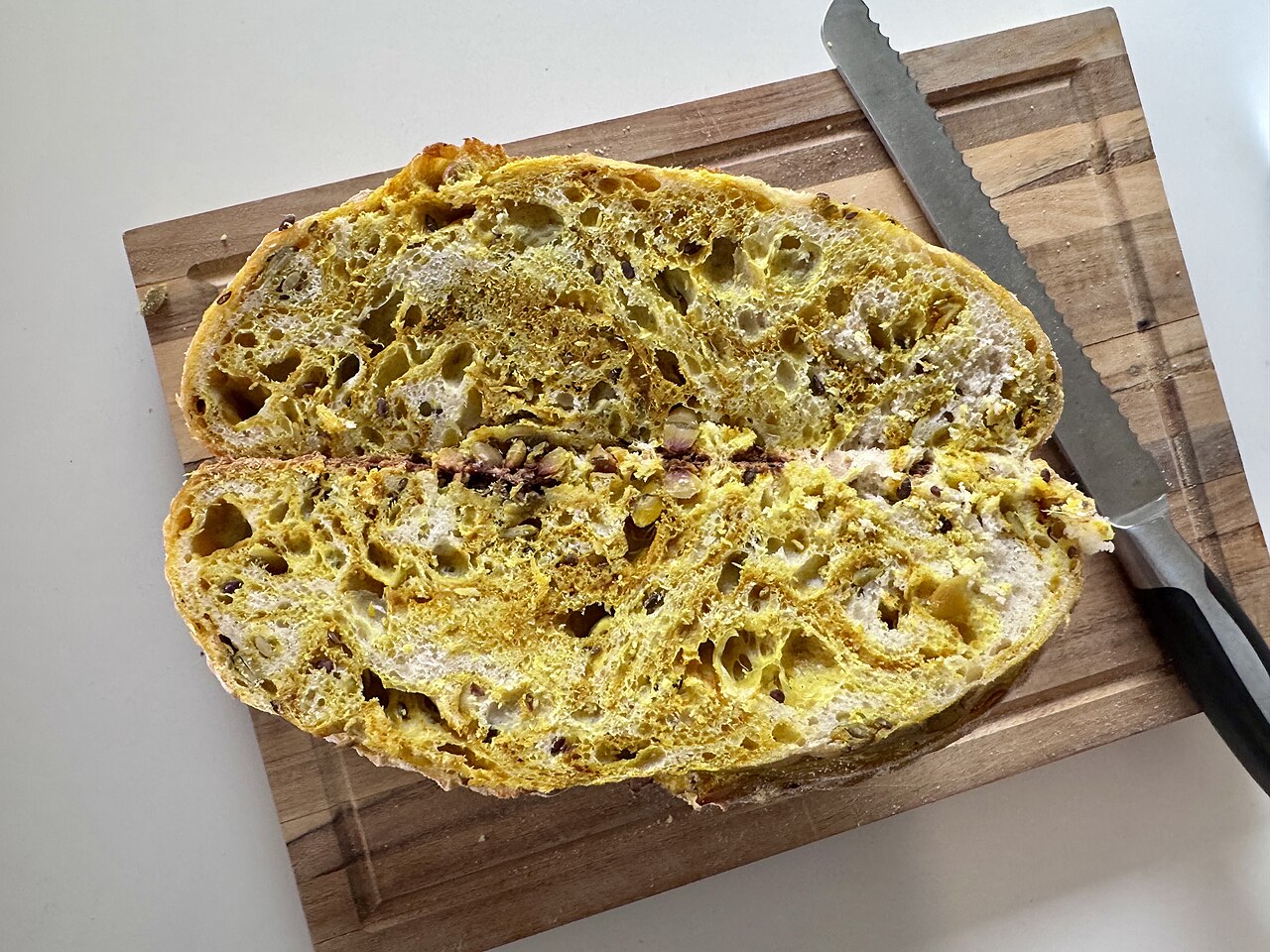
A thriving sourdough starter is less about mystique than routine, according to King Arthur Baking educators who spend much of their time answering home bakers’ questions. In guidance updated in April 2026 and in recent sourdough instruction from the company, the message is consistent: keep starter warm enough to grow, feed it on a steady schedule, and bake with it when it is active.
That matters for American households still baking bread at home, especially families trying to avoid waste and stretch grocery staples like flour. The advice from King Arthur’s bakers points to practical habits, not expensive fixes, as the difference between a sluggish jar in the fridge and a starter ready to raise a loaf.
King Arthur’s bakers point to routine over folklore
Martin Philip, cookbook author, educator, and former lead baker of the King Arthur Bakery bread team, told King Arthur Baking that he would “meet the starter where it is” rather than try to slow it down, a reminder that bakers should respond to how active their culture is instead of forcing a rigid formula. In the same coaching article, he said a heavy inoculation can make a starter race ahead, suggesting that a lower amount of old starter in a feeding can help rein in overactivity.
King Arthur’s April 2026 update to its sourdough starter guidance also sharpened the company’s advice for home bakers by shifting to a smaller starter build in response to feedback. The company says the basics still begin with flour and water and a warm room, about 68 degrees to 70 degrees Fahrenheit, while the process may take up to two weeks in a cool kitchen.
The company’s guide says a starter is ready for baking when it doubles in size in about six to eight hours after feeding, with lots of bubbles and a tangy aroma. It also defines “ripe sourdough starter” as starter that has been fed, doubled in volume, and is just beginning to sag under its own weight. That is the stage bakers are aiming for before mixing dough.
The home bakers most affected are the ones storing starter cold
For many U.S. home bakers, the real challenge is not starting a culture but maintaining one between bakes. King Arthur’s sourdough FAQ says a neglected refrigerated starter can develop a thick layer of liquid and become sluggish, but it can often be revived by stirring in the liquid, discarding down to 113 grams, and feeding it with 113 grams each of water and flour.
Amber Eisler, King Arthur’s director of baking education, put the weekly minimum in even plainer terms on the company’s sourdough podcast. If a baker is storing starter in the fridge, she said, “you gotta take Fernando out of the fridge at least once a week just to keep him on life support,” adding that a baker who wants the starter to do “heavy lifting” should give it a couple more feeds before making bread.
That distinction matters for families who bake only on weekends. A starter can survive on minimal maintenance, but King Arthur’s bakers say better fermentation, volume, and flavor come from more attentive feeding before use. The company also says that if a starter has been missed for a few feedings, regular room-temperature feedings every 12 hours can bring it back until it doubles within four to eight hours.
Temperature, flour and timing shape what happens in the kitchen
King Arthur ties a healthy starter to three basics: good unbleached flour, a consistent feeding schedule, and a warm environment that is at least 68 degrees and preferably in the 70s. Its starter guide also says bakers may get better results with non-chlorinated cool water, a small but practical detail for cooks troubleshooting weak activity at home.
Eisler said temperature is one of the biggest variables bakers should watch. On the podcast, she said bakers should check both room temperature and dough temperature over time instead of setting dough aside and forgetting it. In cooler homes, King Arthur suggests placing starter near a baseboard heater, on top of a refrigerator, or near another appliance that gives off ambient warmth.
For home cooks, the practical takeaway is simple. Feed the starter consistently, keep it warm enough to stay active, and do not expect refrigerated starter to be loaf-ready after a single neglected week. King Arthur’s own benchmark is concrete: once a starter doubles in about six to eight hours after feeding, it is ready to start baking.
Подбираю силовой кабель для объекта. Марка и сечение в предложениях одинаковые, а цены у поставщиков заметно отличаются. Брать самый дешёвый без проверки не хочется, но за что доплачивать в дорогом варианте — тоже непонятно. По описаниям разницы почти нет.
Кто сталкивался с такой закупкой: на что смотрели, кроме цены, и как проверяли качество кабеля до оплаты? Как правильно рсчитать нагрузку на [url=https://chesskomi.borda.ru/?1-8-0-00005907-000-0-0-1785481408]кабель кг хл[/url]