
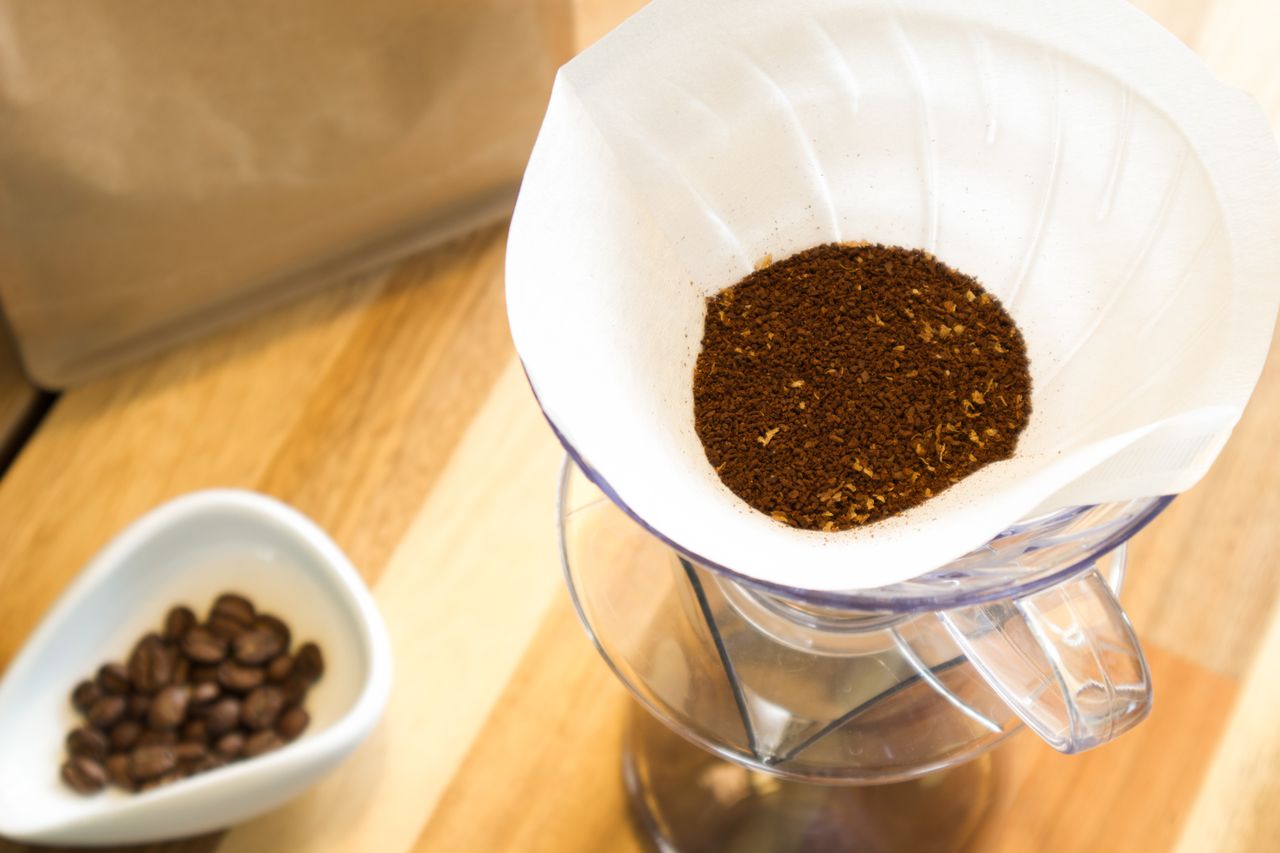
Your used coffee grounds may be headed somewhere unexpected: into bricks, wall panels or concrete. Researchers at Swinburne University of Technology said on June 27, 2025, that a coffee waste brick had reached a commercial milestone through an intellectual property licensing deal with Green Brick, backed by Hampton Capital, while RMIT University has already moved coffee biochar concrete into pilot projects and public demonstrations.
For American households, that matters less as a novelty than as another example of food leftovers being recast as building inputs. Coffee is one of the most common daily kitchen wastes, and these projects are trying to turn that waste stream into something useful in the walls, walkways and structures people live around.
A lab idea is starting to move into real products
Swinburne said its low emission brick is made by blending used coffee waste from cafes and restaurants with clay and an alkali activator. According to the university, the process allows the bricks to be baked at temperatures below 400 degrees Celsius, which it said is 80 percent lower than traditional firing temperatures.
The June 27, 2025, announcement centered on commercialization, not retail sales. Swinburne said Dr. Yat Wong’s project had secured an IP licensing deal with Green Brick to bring the product to market with support from Hampton Capital. The university also said Australia sells more than 1.3 million cups of coffee a day, creating about 10,000 tonnes of spent coffee grounds a year.
Other coffee based construction ideas are further along in testing than in store shelves. In London, Studio Egret West said it built a pavilion called BREW HOUSE for Clerkenwell Design Week 2026 using 600 experimental BREW BRICKS. The firm said the project used about 300 kilograms of waste coffee grounds collected from London coffee shops and mixed them into traditional clay brick production with York Handmade Brick Company.
The people most affected are builders, cities and waste haulers, for now
These materials are not yet something U.S. shoppers can pick up next to lumber or drywall, and the companies involved have not said when that might happen. Swinburne’s announcement described a plan to bring the brick to market, but it did not give a launch date, price or sales region.
RMIT’s work shows where coffee waste may reach households first: public infrastructure and large building projects rather than the do it yourself aisle. The university said on February 25, 2025, that its coffee concrete had progressed from lab research to a footpath trial in Gisborne and was also being used in Victoria’s Big Build projects. On November 28, 2025, RMIT said it had also demonstrated the material through pilots and exhibitions while working with industry and government partners.
That means the near term impact is likely indirect. If these materials scale up, cafes, restaurants, local governments and construction suppliers would be the first groups handling coffee waste differently. The universities and designers involved have not announced any U.S. consumer distribution plans.
The push comes from waste, emissions and sand use
The case for using coffee leftovers in construction is mostly about waste and carbon. Swinburne said conventional brick making depends on high temperature kilns powered by fossil fuels, while its process aims to cut those temperatures sharply. RMIT has focused on concrete, where sand extraction and cement related emissions are both major issues.
RMIT said earlier experiments heated used coffee grounds to about 350 degrees Celsius without oxygen to create biochar. In a concrete mix where that biochar replaced 15 percent of sand, the university said 28 day strength increased by about 30 percent. In a later life cycle analysis published November 28, 2025, RMIT said carbon dioxide reductions reached 15 percent, 23 percent and 26 percent when biochar replaced sand at 5 percent, 10 percent and 15 percent.
For home cooks and families, the practical takeaway is simple: yesterday’s coffee waste is being treated less like trash and more like a raw material. What is confirmed so far is a mix of licensing deals, pilot projects and demonstrations, not broad consumer availability. But the direction is clear, coffee grounds are being tested for a second life inside the built environment.