
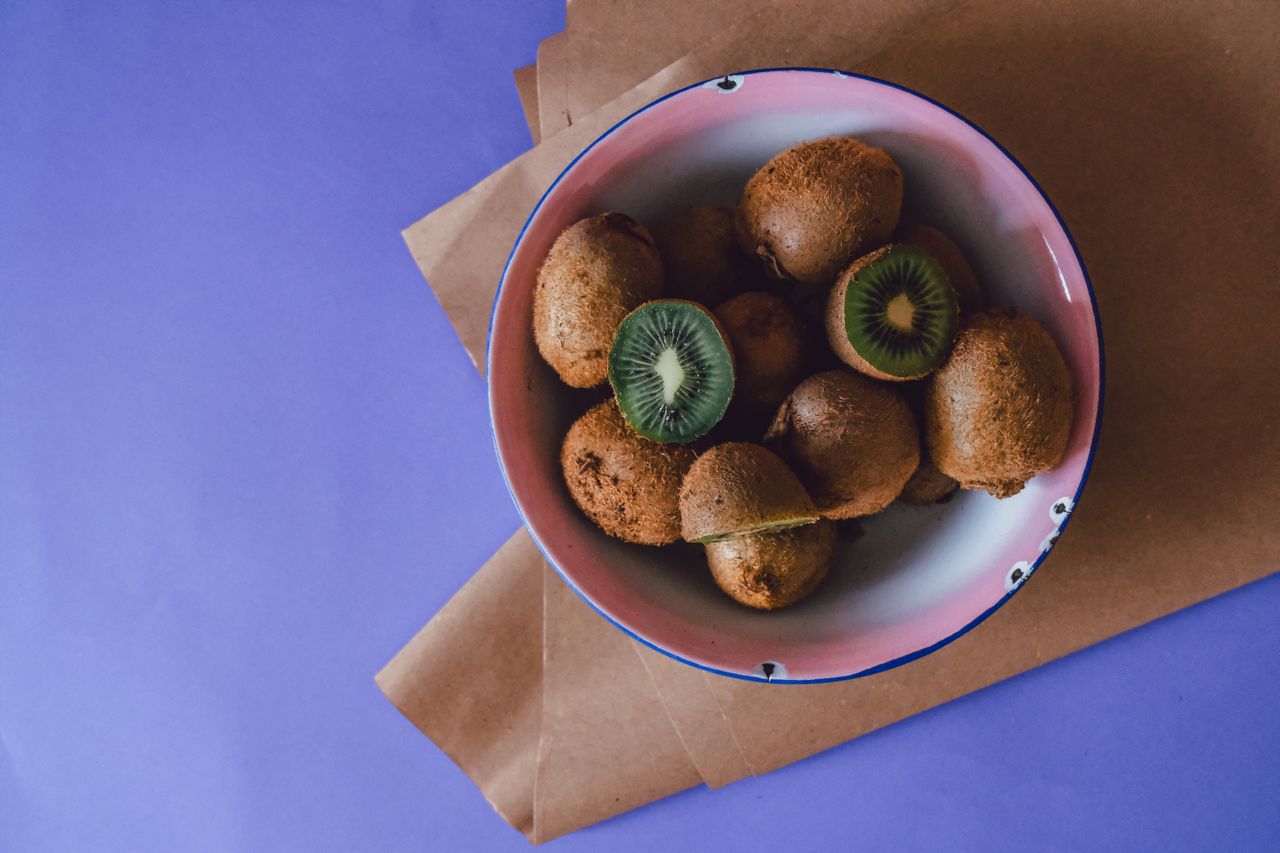
Digestive health remains a major nutrition focus in the U.S., where medical guidance continues to emphasize fiber, fluids and regular eating patterns for constipation relief. For people tired of oatmeal, several evidence-backed breakfast alternatives offer similar or complementary benefits. The best-supported swaps are not quick fixes, but foods that major medical and research sources say can help increase stool bulk, soften stool or improve bowel frequency when eaten regularly.
Kiwifruit and prunes have some of the clearest evidence behind them
Among food-based options, kiwifruit and prunes are two of the most studied choices for constipation relief. The National Institute of Diabetes and Digestive and Kidney Diseases says eating enough fiber can help prevent or relieve constipation, and Mayo Clinic identifies prunes as a long-used option for prevention and relief. A 2023 systematic review indexed by PubMed found that fruits, especially kiwifruit, improved stool frequency in adults with chronic constipation.
Randomized trials have added more detail. One clinical trial found that eating two gold kiwifruit daily was at least as effective as a fiber-matched psyllium supplement in adults with constipation, while a larger multicenter trial reported that two green kiwifruits daily improved bowel habits and abdominal comfort. Separate research on prune products has also reported improvements in stool consistency and constipation-related symptoms.
For breakfast, those findings translate into two straightforward swaps: a bowl of Greek yogurt topped with sliced kiwi, or whole-grain toast with a side of prunes and fruit. Neither food works instantly for every person, and the studies were generally conducted over multiple weeks, not a single morning. Still, these are among the most evidence-based non-oatmeal breakfast foods for people trying to improve regularity through diet.
Seeds, yogurt and higher-fiber cereal offer practical non-oatmeal alternatives
A second group of swaps is built around foods that make it easier to raise total daily fiber intake without relying on one bowl of oats. Mayo Clinic says fiber-rich foods include fruits, vegetables, beans and whole grains, and its general nutrition guidance recommends choosing breakfast cereal with at least 5 grams of fiber per serving. Mayo Clinic also notes that flaxseed is commonly used to support digestive health and relieve constipation.
That makes high-fiber bran cereal one practical replacement for oatmeal, especially when paired with fruit. Ground flaxseed can also be stirred into yogurt, smoothies or cereal, adding fiber in a format many people tolerate well. Chia seeds are widely used for the same reason, though the strongest constipation-specific evidence in the source material is for total fiber intake rather than chia alone.
Fermented dairy can also fit into a constipation-conscious breakfast, not because yogurt itself is a major fiber source, but because it pairs well with high-fiber toppings. A yogurt bowl with kiwi, berries and ground flaxseed is one example. In practical terms, three of the six swaps can be grouped here: bran cereal instead of oatmeal, yogurt with fruit and flaxseed, and a smoothie blended with fruit and seeds.
Whole-grain toast, fruit-forward breakfasts and total fiber matter most
The broader message from medical guidance is that the overall pattern matters more than any single “superfood.” NIDDK recommends whole grains as part of an eating pattern that can help relieve constipation, and Mayo Clinic advises increasing fiber gradually while drinking enough fluids. The National Academies’ long-standing intake targets, echoed in later patient guidance from the Department of Veterans Affairs, put daily fiber goals at about 25 grams for women and 38 grams for men.
That is why two more swaps belong on the list: whole-grain toast in place of refined white bread, and a fruit-forward breakfast built around berries, pears or kiwi rather than lower-fiber processed items. Whole-grain bread adds fiber that refined grains remove, while fruit contributes both fiber and water, a useful combination for stool softness and bulk. Mayo Clinic also notes that breakfast itself can help trigger bowel activity in some people.
Taken together, the six non-oatmeal swaps are kiwi, prunes, bran cereal, yogurt with flaxseed and fruit, whole-grain toast, and a fruit-based smoothie or breakfast bowl. None is presented by medical sources as a cure for chronic constipation on its own. But current evidence and clinical guidance support them as realistic breakfast options for people who want more variety while still eating for regularity.