
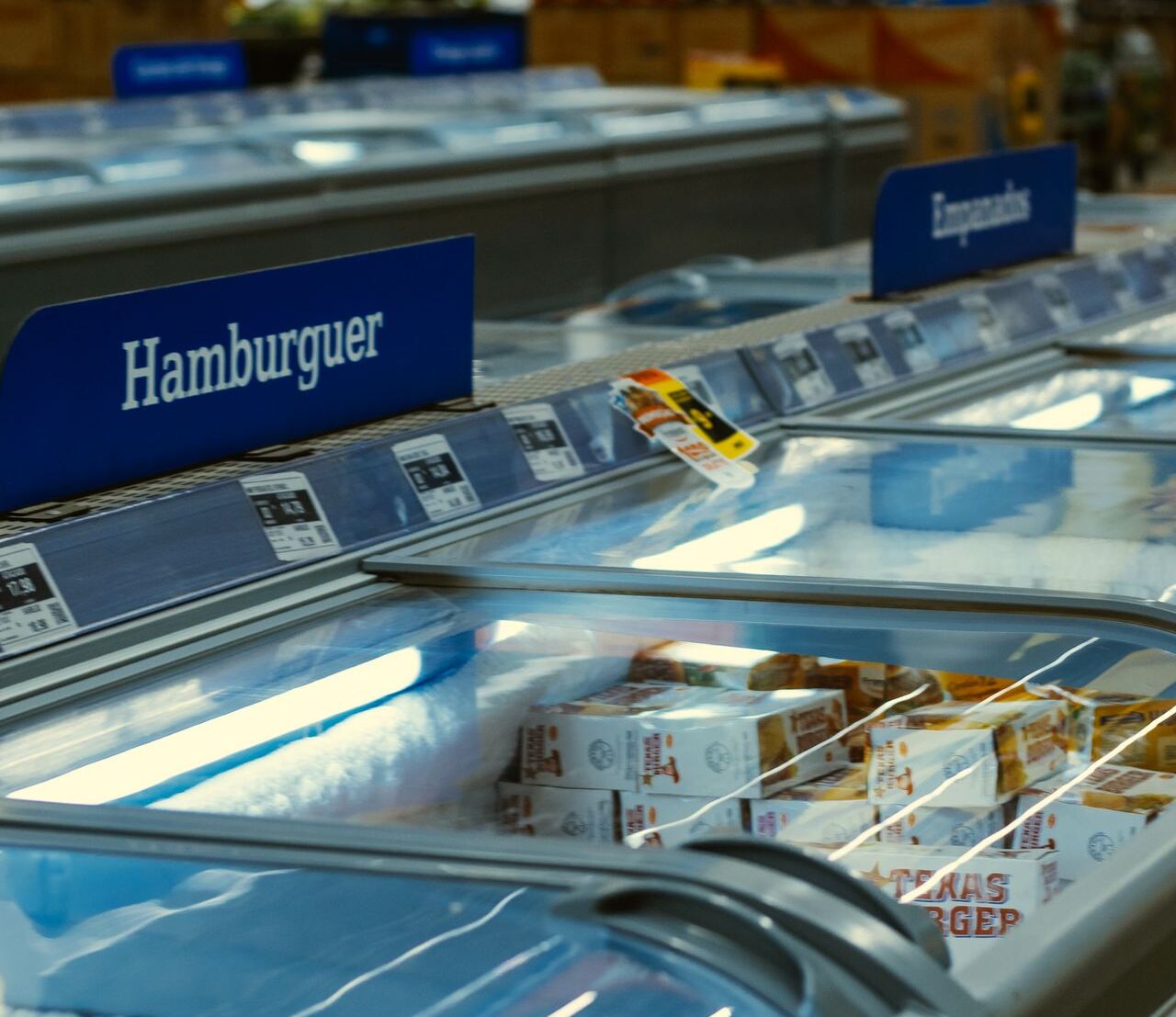
Frozen meals remain a major part of the U.S. grocery business as shoppers look for quick meals that balance convenience, price, and nutrition. Consumer Reports narrowed that broad category on August 13, 2026, when it published a new ranking of frozen meals it said were worth freezer space after testing 30 products. For shoppers in the United States, the report offers a current snapshot of which nationally distributed meals scored best on Consumer Reports’ measures for taste, fiber, protein, sodium, and ingredient quality.
Consumer Reports tested 30 frozen meals and identified its top picks
Consumer Reports said its latest review covered 30 frozen meals from major brands commonly sold in U.S. supermarkets and mass retailers. According to the nonprofit’s August 13 report, its nutrition experts and tasters evaluated the meals on several factors, including calories, saturated fat, sodium, fiber, protein, and the presence of additives, while also considering taste. The organization said two-thirds of the meals it tested contained at least 6 grams of fiber, a threshold it uses as one sign of a stronger nutritional profile.
The highest-rated brands in the new roundup included Healthy Choice Power Bowls, Lean Cuisine, and Deep Indian Kitchen, according to summaries of the Consumer Reports ranking. The report emphasized that better-performing meals generally paired vegetables, grains, or legumes with moderate sodium and solid fiber content rather than relying mainly on refined starches or heavy sauces. Consumer Reports nutritionist Amy Keating said in the report that front-of-package claims can make a meal seem healthier than it is if shoppers do not look at the full nutrition picture.
Consumer Reports also framed the ranking as a practical shopping guide rather than a blanket endorsement of the category. The organization noted that even the better frozen entrées may not compare with a home-cooked meal, but it said some current options perform well enough on both taste and nutrition to merit a place in the freezer. That distinction matters in a category where convenience often competes directly with health messaging on the box.
The ranking applies nationally, but store selection will vary by retailer and region
Because Consumer Reports reviewed nationally distributed frozen meals rather than products tied to a single chain or city, the immediate effect is broad rather than local. Shoppers across the United States are the target audience for the list, but actual availability will differ by retailer, store format, and region. Consumer Reports did not publish a state-by-state or city-by-city inventory map with the ranking, so there is no comprehensive public list showing which of its top-rated meals are stocked in each market.
That means customers may find some recommended meals at large supermarket chains, warehouse clubs, mass merchants, or specialty grocers, while other products may be missing from nearby stores. Walmart, for example, said this year that it is redesigning packaging across its Great Value line to help shoppers spot attributes such as gluten-free status and protein content more quickly, a sign that frozen aisle competition is increasingly tied to nutrition messaging and shelf visibility. But Walmart’s announcement was about packaging and private-label presentation, not Consumer Reports’ ranking itself.
There is also no indication in the report that the ranked meals are subject to a new recall tied to the review. FDA recall pages remain the authoritative source for active food safety actions, and recent agency postings show that recalls in frozen and prepared food categories are handled separately from product rankings or nutrition reviews. For consumers, the ranking functions as a buying guide, not a safety alert.
The new ranking reflects larger shifts in convenience, nutrition, and value
Consumer Reports’ criteria reflect a broader debate over how processed convenience foods should be judged. The report gave weight to fiber, sodium, saturated fat, and additives, mirroring larger public health discussions about ultraprocessed foods and whether shoppers can still make better choices within that category. Associated Press reporting this year noted that frozen meals remain part of the processed-food debate even as manufacturers increasingly market them with nutrition-forward claims aimed at protein seekers, GLP-1 users, and time-pressed shoppers.
Market data also helps explain why rankings like this draw attention. Mintel said in its 2026 U.S. prepared meals report that frozen meal sales have lagged refrigerated prepared foods in some areas, while Conagra said frozen food continues to appeal to consumers looking for a lower-cost alternative to restaurant spending. Those pressures help explain why brands are competing on both value and health positioning at once.
For shoppers, the practical takeaway is straightforward: the strongest frozen meals in Consumer Reports’ test were the ones that delivered convenience without leaning too heavily on sodium, saturated fat, or weak fiber content. The organization’s August 13 ranking does not settle the broader nutrition debate around frozen entrées, but it does give consumers a current, tested reference point as brands continue to crowd the freezer case with health-focused claims.
По суті: регулярна стрічка про місто і область без зайвого. Тут розміщують про місцеві події, мобілізацію, маршрутки, бізнес, надзвичайні події, культуру тощо. Кожен матеріал має автором і датою. На головній сторінці тримають лічильник російських військ за даними Генерального штабу ЗСУ.
Усі новини і матеріали — на [url=https://mgk.if.ua/]mgk.if.ua[/url]