
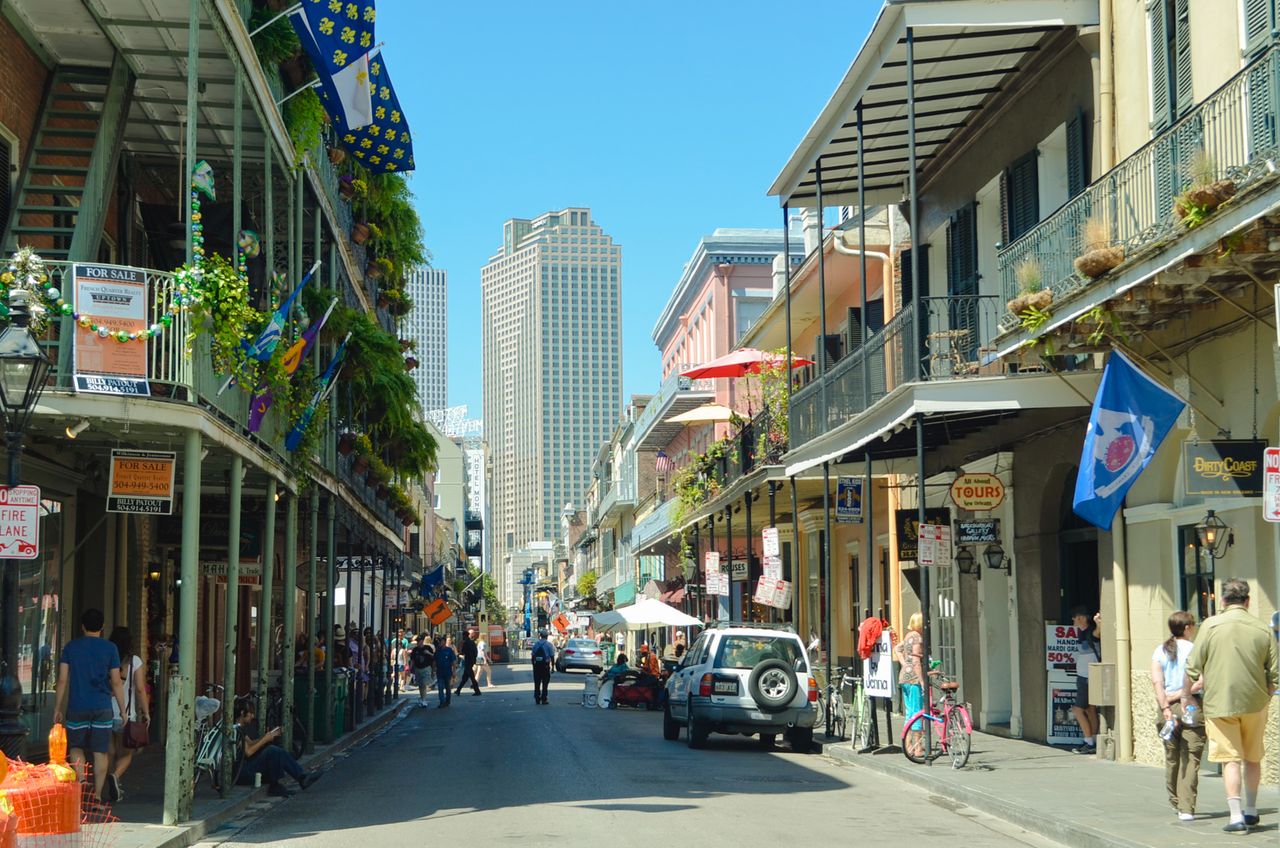
Restaurant rankings increasingly shape where Americans travel, eat, and spend money. On September 1, 2026, that spotlight landed on New Orleans after Yelp and Lyft ranked it the nation’s top foodie city. The result reflects the city’s established culinary reputation, but the data behind it also points to a broader dining habit that may be less expected.
New Orleans took the top spot in a new national ranking
Yelp and Lyft announced their 2026 Top 20 Foodie Cities list on September 1, placing New Orleans at No. 1, according to Yelp and Lyft’s consumer dining trends report as described by AOL and New Orleans & Company. The ranking was based on restaurant searches, saves, ratings, photo uploads, and rideshare activity tied to dining trips. New Orleans & Company, the city’s official tourism marketing organization, now lists the city as the No. 1 food destination in the U.S. for 2026 based on that ranking.
The scale of the list was national. Yelp and Lyft identified 20 cities across the country, with Charleston ranked second and San Diego third, according to the published list carried by AOL. The South and Southeast accounted for eight of the 20 cities, showing that the strongest concentration of top-ranked food destinations in this report was outside the traditional coastal fine-dining centers.
The New Orleans result was also tied to category-level search behavior. AOL’s summary of the report stated that seafood was New Orleans’ second-most-searched local cuisine on Yelp. The same report said restaurants including Commander’s Palace and Cochon were among the top restaurant destinations for Lyft riders in the city.
What the ranking means for New Orleans locally
For New Orleans, the designation matters because food is closely tied to the local visitor economy. New Orleans & Company said the city welcomed 19.08 million visitors in 2024, up 6.4 percent from 17.93 million in 2023, and those visitors spent $10.4 billion, an 8.4 percent increase from the prior year. The organization also said tourism and hospitality employ more than 80,000 people in the New Orleans area.
That means a food-focused national ranking is not simply symbolic for local restaurants, hotels, and tourism operators. New Orleans & Company said meetings and conventions contribute more than $2 billion in direct spending annually, while visitor tax revenue supports education, infrastructure, and public safety in Louisiana communities. In practical terms, a strong food identity helps reinforce one of the city’s main economic engines.
What is not yet known is the direct numeric effect this 2026 ranking will have on bookings, restaurant traffic, or neighborhood-level business performance. No public estimate has been released for how many additional visitors the Yelp and Lyft designation alone may generate. There is also no comprehensive public breakdown showing whether any post-ranking gains are concentrated in the French Quarter and other core tourist districts or spread more evenly to areas such as Mid-City, Bywater, and other neighborhood dining corridors.
The surprise factor is the national shift toward earlier dining
The unexpected finding in the report was not that New Orleans scored well on food. It was that the broader dining pattern highlighted by Yelp and Lyft centered on earlier meals. According to AOL’s reporting on the ranking, breakfast and brunch were the No. 1 most-searched restaurant categories in every single Foodie City, and nearly 20 percent of Lyft rides to restaurants occurred before noon.
That detail helps explain the “reason might surprise you” framing around the ranking. New Orleans remains nationally identified with seafood, Creole and Cajun traditions, and destination dining, but the report suggests the strongest shared behavior across top food cities is not late-night eating. It is daytime dining, particularly breakfast and brunch, backed by search and transportation data rather than anecdotal travel trends.
For residents and visitors, the practical takeaway is that New Orleans enters the fall with added national visibility at a moment when the city is already leaning on hospitality growth. New Orleans & Company said the city also hosted more than 1,000 conventions, meetings, and leisure groups in 2024, and major culinary events including Bocuse d’Or and the Pastry World Cup are set to return in 2026. The latest ranking adds another measurable point of exposure for a city whose food scene is already central to how it markets itself nationwide.