
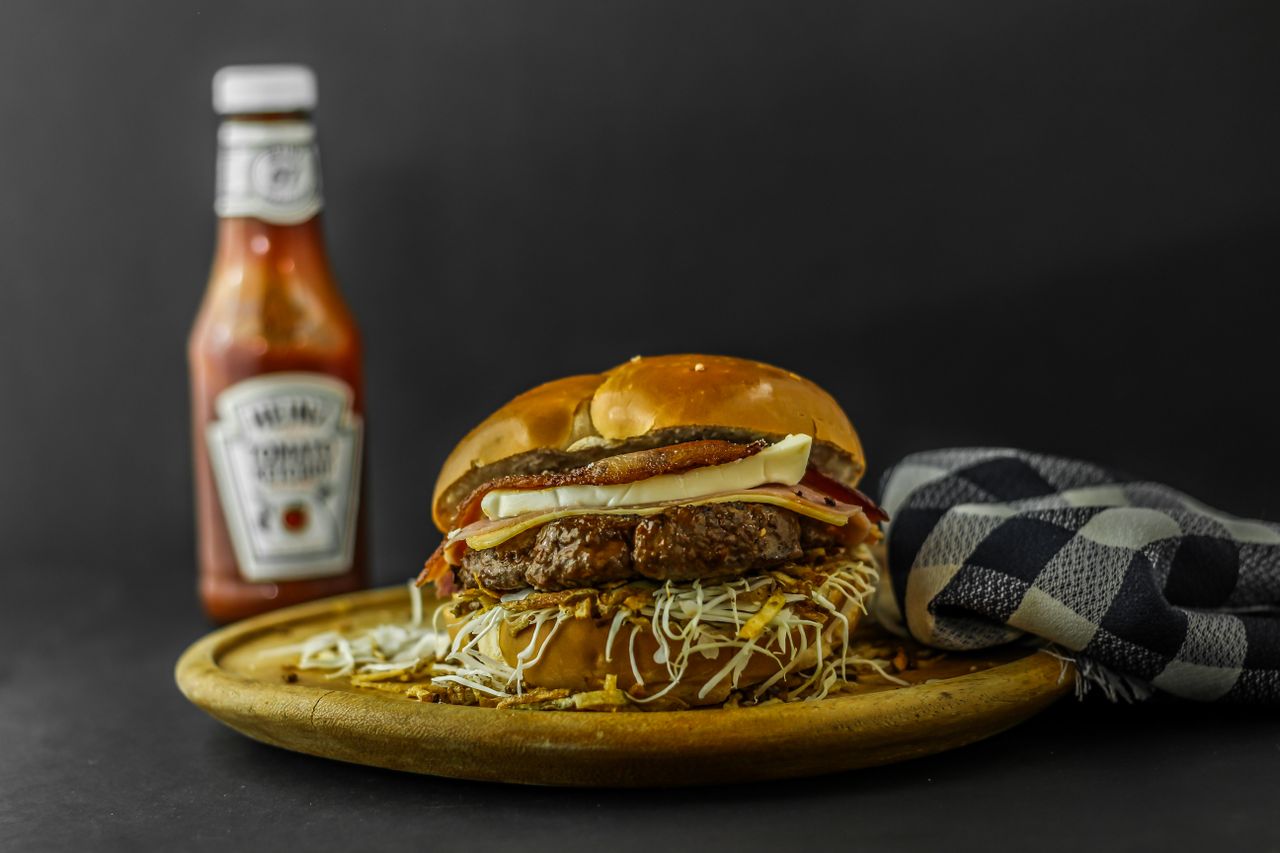
Burger prices are still getting under shoppers’ skin. That is why President Trump’s new beef plan landed with such political force.
But the promise of cheaper burgers is running into the hard math of the cattle market. Analysts say the administration can nudge supply at the margins, yet it cannot quickly undo the shortage driving beef costs higher.
What Trump is actually proposing
President Trump announced in late August 2026 that the U.S. would temporarily allow up to 300,000 metric tons of additional ground beef imports to enter without triggering higher tariff quotas, framing the move as a 90-day deal to lower prices for consumers. The White House later said the policy was meant to ensure more affordable beef while domestic producers rebuild the national herd. Reuters and the Associated Press both reported that the administration also suggested some imported product could be sold below prevailing market prices.
On paper, the idea is straightforward. More lean beef trimmings from abroad can be blended with fattier domestic beef to make hamburger, which is one reason imported beef matters so much in the ground beef business. If processors can buy more trim at lower tariff rates, retail prices could theoretically ease, especially for value-oriented products.
The complication is scale. Even a sizable temporary import increase does not change the underlying structure of the U.S. beef market overnight. USDA projections cited by the White House show total U.S. beef production in 2026 above 11 million tons, meaning the extra imports are meaningful but still limited relative to the full market.
That helps explain why the announcement drew instant skepticism. Reuters reported that economists expected little effect on consumer prices, while cattle groups warned the plan could disrupt incentives for ranchers who are finally benefiting from high cattle prices after years of contraction.
Why experts are skeptical
The central problem is not a lack of policy creativity. It is a lack of cattle. U.S. shoppers are paying record or near-record prices for ground beef after drought, wildfire pressure and import restrictions tied to New World screwworm concerns contributed to the smallest national cattle herd in roughly 75 years, according to Reuters, Axios and AP.
When herd numbers get this tight, retail relief usually comes slowly. Ranchers cannot rebuild supply in a single season because cattle production runs on a long biological cycle. Keeping heifers for breeding today can support larger herds later, but it also means fewer animals available for slaughter in the short term, which can keep beef supplies constrained.
There is also the question of how much any import savings actually reach the meat case. Beef passes through processors, wholesalers, retailers and restaurants, each with its own margins, labor costs and contracts. Economists interviewed by AP said even reopening more live cattle trade with Mexico would do little to bring prices down quickly, underscoring how stubborn the supply imbalance has become.
In other words, the plan may modestly improve availability for processors, but that is different from guaranteeing cheaper burgers at the supermarket or the drive-thru. A White House promise is immediate; cattle economics are not.
What consumers and the beef industry should expect next
For consumers, the most realistic outcome is limited relief rather than a dramatic rollback in burger prices. If imported lean trim becomes easier to source, processors may get some flexibility in blending and procurement. That could shave costs in certain channels, especially frozen patties or large-volume foodservice, but it is unlikely to produce a broad, sudden drop in everyday beef prices.
For ranchers, the policy opens a more uncomfortable debate. Producer groups told Reuters that flooding the market with lower-cost imported beef could undermine the price signals encouraging herd rebuilding. Their argument is not just political protectionism. High cattle prices are one of the few forces strong enough to persuade producers to retain animals and invest through drought risk, expensive feed and uncertain weather.
The administration appears to recognize that tension. Reuters reported that USDA has paired the import move with broader industry support, including steps aimed at processors and grazing capacity. Even so, those measures are better understood as supply-side support than as a fast consumer price cure.
So the headline promise of cheaper burgers may prove more optimistic than accurate. Unless the U.S. cattle herd expands materially and weather conditions cooperate, Americans should expect beef to remain expensive well beyond this 90-day policy window.