
Some food fights never really end. In American kitchens, a surprising number of products with long regulatory histories still linger in some form, even after the FDA moved to ban, restrict, or push them out of the market decades ago.
The reason is rarely simple. In most cases, these foods survived because the rules changed, the formulas changed, or the FDA’s authority stopped short of wiping them out completely.
What “the FDA tried banning” actually means
When people hear “banned,” they usually imagine a product vanishing overnight. In food regulation, that almost never happens. The FDA may revoke an additive approval, remove a substance from the GRAS list, restrict interstate sales, or enforce labeling standards without eliminating every version of the food itself.
That distinction explains a lot. Cyclamate is the classic example: the FDA removed cyclamate salts from the GRAS list in 1969 after safety concerns and moved against cyclamate-containing products in 1970, yet imported tabletop sweeteners made with cyclamate still turn up through niche channels and the ingredient remains legal in some other countries. According to the FDA’s own history of the GRAS program, cyclamate became a turning point in how the agency revisited older ingredients.
The same pattern shows up in old standards battles. Early federal food law often targeted imitation or adulterated versions of foods rather than the broader category consumers recognized on the shelf. Margarine survived those crackdowns because labeling rules and standards of identity evolved, giving regulators a way to police deception without erasing the product.
That is also why a modern grocery shelf can still carry descendants of once-targeted foods. The FDA often ends up regulating the risky ingredient, the misleading claim, or the manufacturing method, while companies reformulate and keep selling a legal replacement under a familiar product name.
The 8 foods that never fully disappeared
Start with raw milk. The FDA has long treated unpasteurized milk as a public-health risk and bans its interstate sale, but it does not regulate intrastate sales, leaving that question largely to the states. That is why raw milk can still be legally sold in parts of the country even as the agency warns about outbreaks tied to Listeria, Campylobacter, Salmonella, and E. coli.
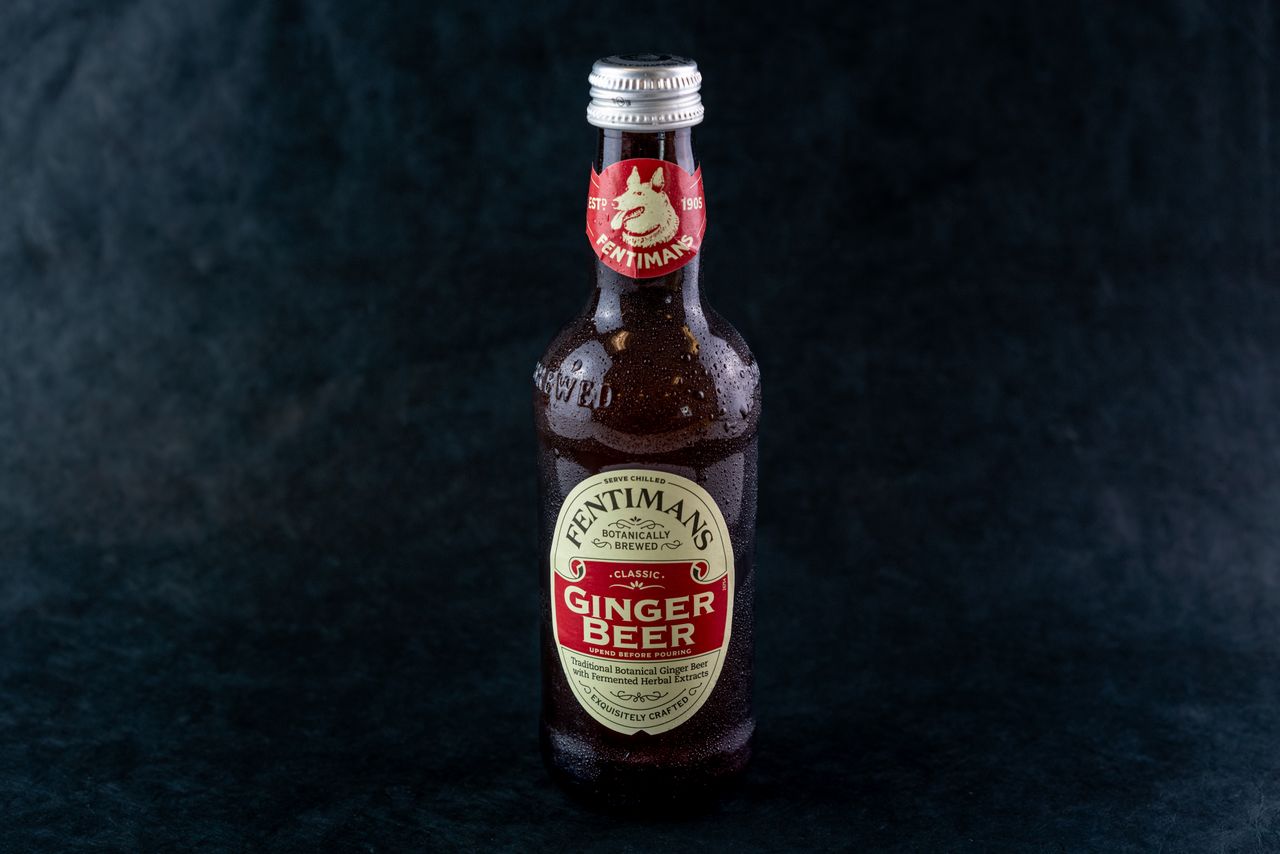
Then there is sassafras tea and old-style root beer. The problem was safrole, a compound the FDA banned as a food additive in 1960. Yet sassafras products never vanished; instead, commercial versions shifted to safrole-free extracts or artificial flavoring, so the nostalgic product name survived while the chemistry changed.
Cyclamate belongs on the list, as do foods once made with partially hydrogenated oils, the main source of artificial trans fat. The FDA determined in 2015 that PHOs were no longer GRAS, with later administrative steps completed in 2023, but many shelf staples stayed because manufacturers reformulated rather than scrapped the category. Crackers, frostings, microwave snacks, and baked goods lived on with new fat blends.
Two more examples are brominated vegetable oil and Red No. 3, both reminders that removal can take years. The FDA revoked BVO’s food authorization in July 2024 after earlier restrictions dating back to 1970, while Red No. 3 lost authorization in January 2025 under the Delaney Clause. Products containing them may still appear during compliance windows or as reformulated successors. Add oleomargarine, standardized jams once caught in identity disputes, and imported ackee products subject to strict controls, and you have eight clear cases where “ban” did not mean extinction.
Why these foods still keep showing up
The biggest reason is legal scope. The FDA can control interstate commerce, ingredient approvals, and labeling, but it does not always have the final word over every local sale or every product format. Raw milk is the cleanest example: federal warning, partial federal restriction, but no universal national disappearance.
The second reason is reformulation. Food companies are extraordinarily good at preserving a brand, a flavor profile, or a category even after a controversial ingredient is forced out. That is exactly what happened with trans fat, safrole-based flavoring, and drinks once made with BVO. Consumers still see the same cookies, sodas, and pantry staples, but the formulations are often very different from the ones that first drew FDA scrutiny.
The third reason is timing. Regulatory action can move slowly, especially when the agency must build a scientific record, respond to petitions, and provide compliance periods. The FDA’s January 15, 2025 decision on Red No. 3, for example, did not mean every affected food vanished immediately; food manufacturers were given time to reformulate.
The result is a shelf full of survivors. Some persist through loopholes, some through state-by-state legality, and some through chemistry that changed just enough to satisfy regulators. What looks like regulatory failure is often the opposite: the product stayed, but the ingredient, standard, or sales pathway that once made it controversial did not.