
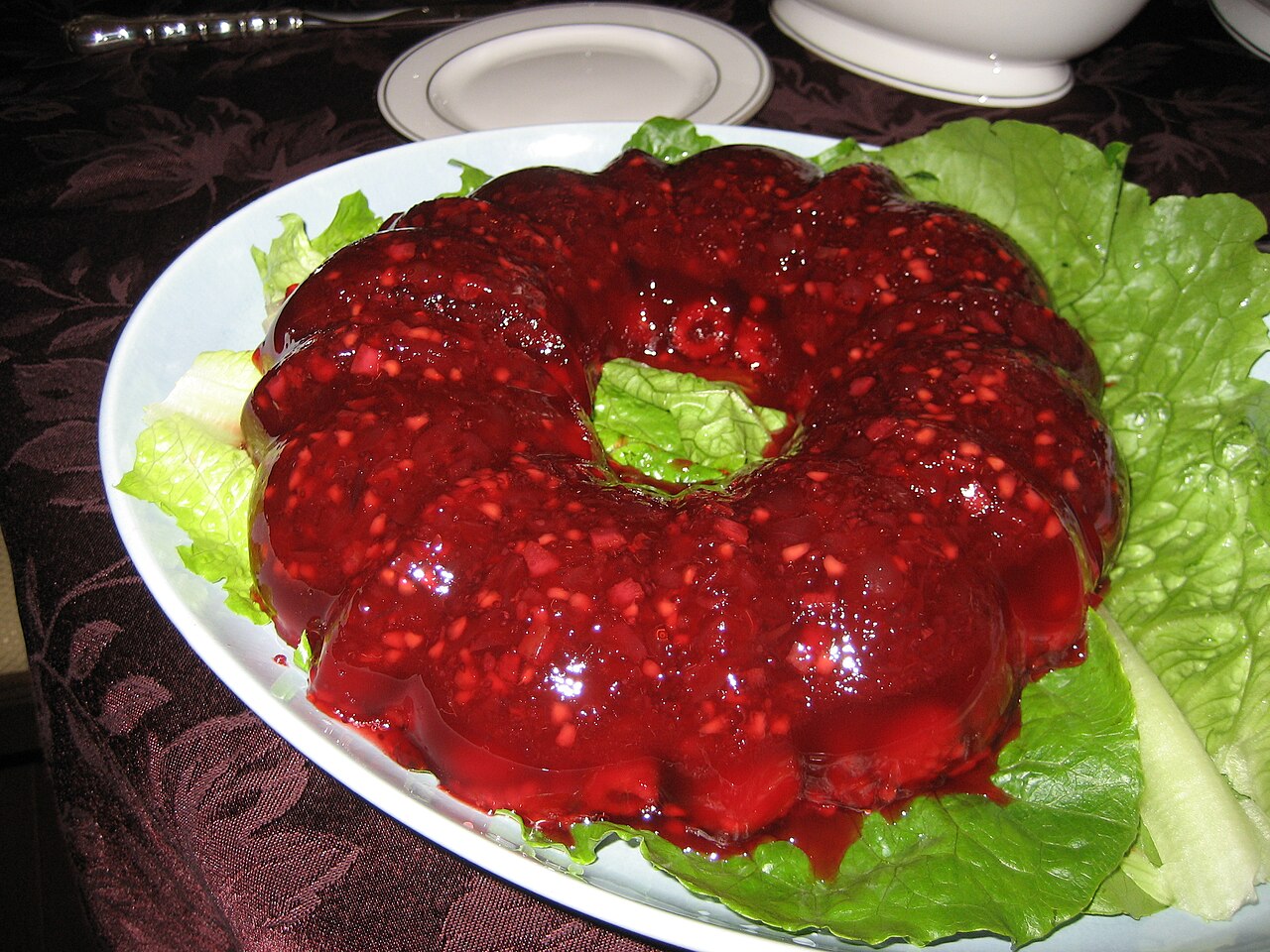
The 1960s fed America’s appetite for novelty. It was a decade when convenience foods, cocktail-party showmanship, and a growing fascination with “international” flavors collided on one very busy dinner table.
Some of these dishes now look charmingly odd. At the time, they felt modern, efficient, and even glamorous.
The molded, the creamy, and the proudly processed
Few foods capture the decade better than gelatin salads and savory aspics. History notes that molded salads stayed popular well into the 1960s, when home cooks prized neat presentation and the miracle-like ability of gelatin to suspend vegetables, fruit, or even seafood in shimmering form. That same aesthetic helped normalize salmon mousse, ring molds, and other make-ahead dishes that looked impressive at bridge night but can seem baffling now.
Convenience was not a side note; it was the point. The Smithsonian reports that by 1961, a LIFE magazine article said the American housewife spent 11 hours a week preparing food, less than 1/3 the time required when meals relied on raw ingredients. That explains why casseroles built from canned soup, frozen vegetables, mayonnaise, and packaged toppings became kitchen staples.
That trend gives us several unmistakable 1960s standouts: green bean casserole, tuna-noodle bakes, and other cream-of-soup creations that turned pantry items into company food. Campbell’s still identifies green bean casserole as a 1955 test-kitchen creation, but its enduring popularity made it a fixture of 1960s family meals and holiday tables. Even pineapple appeared constantly, folded into salads, layered into molds, or perched on glazed ham as a badge of cheerful abundance.
Party food became performance art
If the family meal got easier, the social meal got flashier. The Smithsonian’s food historians describe 1960s potluck tables loaded with olive-cheese balls, shrimp cocktail, pineapple-heavy hors d’oeuvres, and mayonnaise-rich spreads, all designed to be made ahead and served with minimal last-minute fuss. Entertaining was less rustic than theatrical, and the food often doubled as conversation starter.
Fondue may be the era’s most beloved novelty. Smithsonian curators note that home fondue sets became all the rage in the 1960s, turning melted cheese or oil into an event rather than just a dish. It fit the decade perfectly: communal, interactive, faintly continental, and ideal for a suburban living room trying to look sophisticated.
Around it orbited a full galaxy of quirky bites. Cheese balls rolled in nuts, cocktail meatballs in sweet-savory sauce, deviled eggs, stuffed celery, and canapés topped with olives or processed cheese spread all became symbols of effortless chic. None of this was accidental. These foods were engineered for a host who wanted to seem polished, modern, and fully in command of both her freezer and her guest list.
America learned to eat with the television on
No 1960s food story is complete without TV dinners. The Smithsonian explains that Swanson introduced the frozen TV dinner in 1954, but the concept exploded in a country where nearly 90 percent of homes had television by 1960. Disposable trays, compartmentalized portions, and folding TV tables turned supper into a more casual, screen-centered ritual.
Frozen convenience expanded fast. Smithsonian records show Swanson broadened its 1960s lineup to include Americanized international meals, while frozen-food trade coverage cited 1965 as a record year for sales growth. In practical terms, this meant Americans could sample “exotic” flavors at home without much risk, often through highly simplified versions of Chinese, Mexican, or European dishes.
Then there was Tang, the orange drink forever tied in public memory to the Space Age. NASA’s Gemini program began in the early 1960s, and the broader space race helped turn futuristic packaged foods into cultural trophies, whether or not every product was as astronaut-linked as advertising implied. Add in pineapple upside-down cake, sweet-and-sour meatballs, and boxed desserts dressed up for company, and the decade’s palate comes into focus: colorful, processed, optimistic, and never afraid of a little kitsch. If you tried any of these, you did not just eat the 1960s—you tasted its idea of progress.