
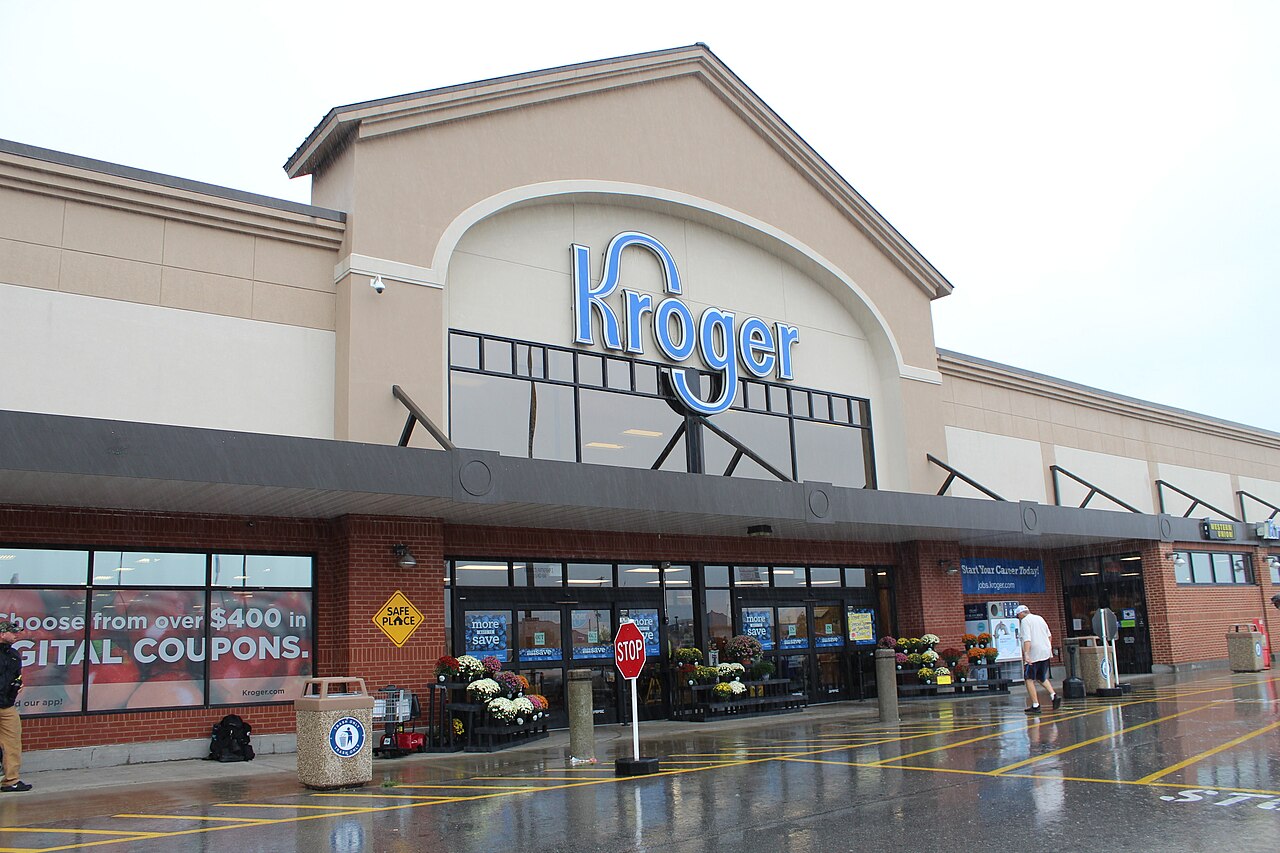
Kroger is one of the country’s largest grocery operators, and store closures at that scale are closely watched across the food retail industry. On August 17, 2026, USA TODAY reported that Kroger is moving ahead with a plan to close 60 stores under several banners by the end of the year. The closures now stretch across 16 states, with confirmed shutdowns already reported in markets from Texas and Virginia to Wisconsin and Washington.
Kroger is moving ahead with a 60-store closure plan
Kroger is proceeding with a previously announced plan to shutter 60 stores in 2026, according to USA TODAY, which reported on August 17 that more than 35 locations had already closed. The report said the shutdowns span several Kroger-owned banners, including Kroger, Harris Teeter, Pick ‘n Save, Mariano’s, QFC, Fred Meyer, Fry’s Food and Drug, King Soopers, Jay C Food Stores and Food 4 Less.
The scale is broad but not systemwide. USA TODAY reported that Kroger still operates more than 2,700 stores nationwide, meaning the closures affect a relatively small share of its total footprint even as they touch multiple regions. The same report said the company first announced the 60-store plan last year and is continuing to execute it through the end of 2026.
Kroger told investors in its first-quarter 2025 news release that it expects “a modest financial benefit” from the closures. The company also stated that it will offer roles in other stores to all associates employed at affected locations. When contacted by USA TODAY for additional information, the company declined to provide more detail.
Confirmed closures span 16 states, but the full remaining list is not public
Confirmed closures reported by USA TODAY, drawing on analyses by Grocery Dive, Fast Company and MassLive, span Arizona, California, Colorado, Georgia, Illinois, Indiana, Kentucky, Louisiana, Maryland, North Carolina, Tennessee, Texas, Virginia, Washington, West Virginia and Wisconsin. Specific cities identified in the report include Houston, McKinney and Spring in Texas; Arlington, McLean, Abingdon and Charlottesville in Virginia; Milwaukee, Glendale, Oak Creek and South Milwaukee in Wisconsin; and Tacoma and Mill Creek in Washington.
Other confirmed closures include Atlanta, Brookhaven, Decatur and Alpharetta in Georgia; Louisville, Kentucky; Bossier City, Louisiana; Kingsport, Tennessee; and Peoria, Illinois. In some cases, the report said stores were consolidated into larger nearby formats. In West Virginia, for example, closures in Dunbar and South Charleston were reported as consolidations into marketplace locations.
What is not yet public is the company’s full list of all remaining stores set to close before the end of 2026. USA TODAY reported that, based on Kroger’s original estimate and the closures already tracked publicly, just over 20 locations may still be left to shut. Kroger has not released a comprehensive state-by-state list of every remaining affected store.
The closures follow merger setbacks and a broader portfolio reshaping
The timing of the closures follows a period of major strategic change for Kroger. USA TODAY reported that the shutdowns come after multiple court rulings blocked Kroger’s proposed merger with Albertsons. That failed transaction had been one of the grocery industry’s biggest recent consolidation efforts, and its collapse left Kroger to refocus on its existing store base and longer-term portfolio decisions.
The same report said Kroger announced last month that it would acquire Giant Eagle for $1.65 billion. Taken together, the closure plan and the Giant Eagle deal point to a period of active reshaping rather than simple retrenchment. Kroger has not publicly tied each individual store closure to a single cause, but its investor statement did frame the move as one with expected financial benefit.
For customers, the most immediate impact remains local and uneven. Some communities have already lost stores, while others may still be waiting for confirmation on whether a nearby location is part of the remaining closure count. What Kroger has said publicly is that affected workers will be offered opportunities at other stores, and that the company is continuing to operate a nationwide network of more than 2,700 locations as the 2026 closure plan moves forward.