
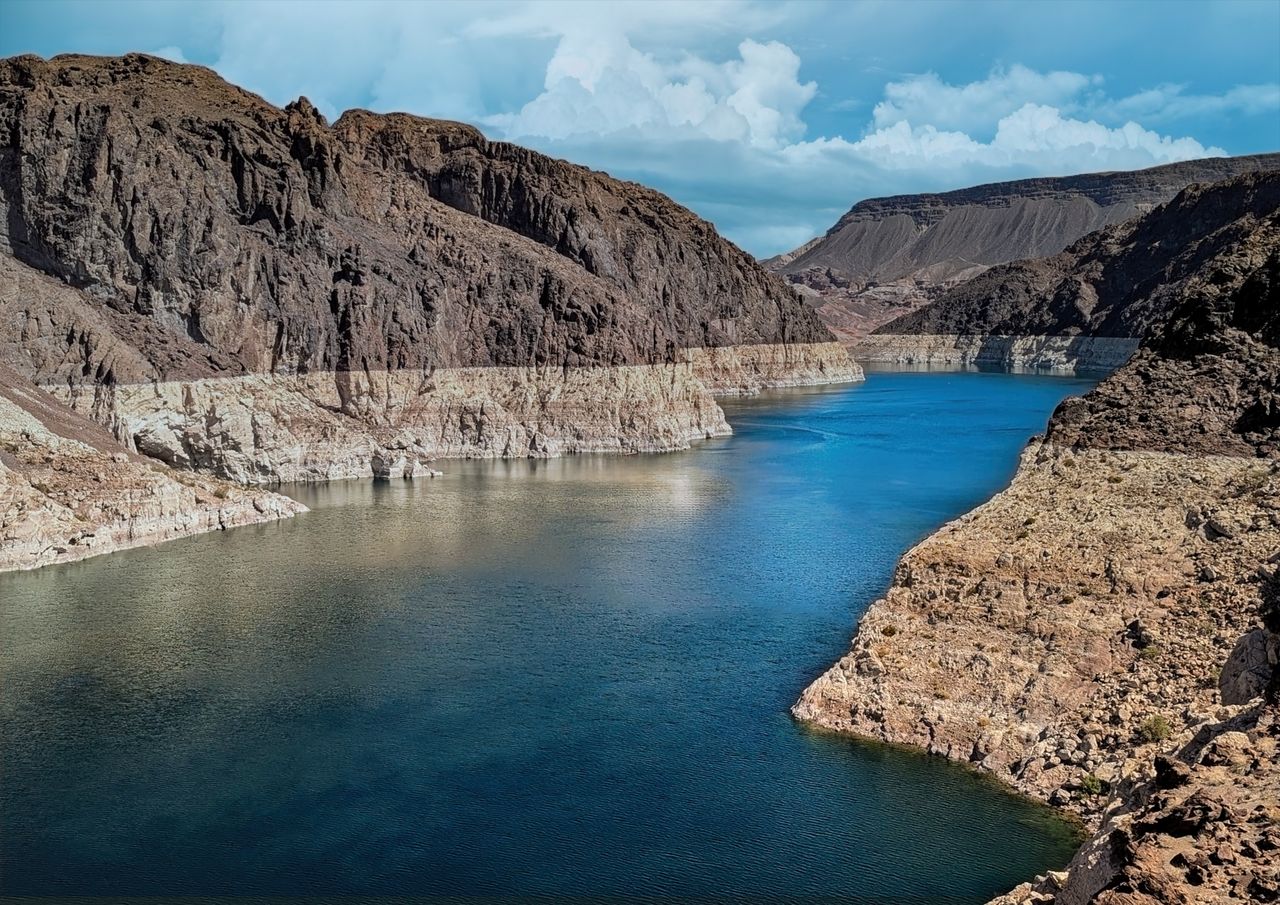
The Colorado River is entering a new round of federally ordered cuts just as U.S. food supply chains remain heavily dependent on desert irrigation in the Southwest. In Arizona, that matters most in Yuma County, where winter lettuce and leafy greens production connects water policy directly to grocery coolers and restaurant salads nationwide. The immediate issue is not a recall or a store shelf shortage, but a verified water decision that growers and state officials say adds pressure to one of the country’s most important produce regions.
Federal cuts are now official, and Yuma agriculture is in the frame
On August 21, 2026, the U.S. Department of the Interior signed the 2027-2028 Operating Guidelines and Record of Decision for post-2026 Colorado River operations, according to Arizona Water Company’s summary of the federal action and reporting from the Associated Press. The finalized plan requires California, Nevada and Arizona to collectively reduce water use by 1.25 million acre-feet annually during the two-year period, with the possibility of deeper cuts depending on hydrologic conditions, the AP reported.
Arizona is carrying a large share of that burden. Arizona Water Company, citing state water officials, said the mandatory reductions equal roughly a 27% cut to Arizona’s total Central Arizona Project supply. Arizona’s water leaders have been warning for months that post-2026 operating rules could seriously affect the state’s Colorado River deliveries, especially supplies moved through CAP, according to the Arizona Department of Water Resources.
That does not mean Yuma lettuce fields are shutting off this season. The AP reported on August 29 that Yuma growers with high-priority rights may avoid direct cuts to their Colorado River supply over the next two years. But the same report said growers are still facing longer-term uncertainty, and that uncertainty now sits over a region central to winter salad production.
Arizona’s local produce economy is exposed, even without a confirmed field-by-field loss list
Yuma’s importance is measurable. The AP reported that the region produces about 90% of the leafy greens eaten in North America during the winter. USDA’s Economic Research Service has similarly said that from mid-November through early April, most lettuce sold in the United States comes from the irrigated desert valleys of Southern California’s Imperial County and the Yuma area of Arizona.
State production data shows how large Arizona’s lettuce footprint remains. USDA’s National Agricultural Statistics Service said Arizona harvested 64,200 acres of lettuce in 2024, and its 2025 state agriculture overview listed 24,700 acres of romaine lettuce alone, with production valued at about $525.8 million. The Arizona Department of Agriculture also reported that iceberg lettuce accounted for 85% of total assessed shipments in the most recent annual period posted by the agency.
What is not yet known is whether any specific Yuma-area farms will alter acreage, crop mix or planting schedules as a direct result of the August federal action. No state agency has released a field-level list of expected reductions tied specifically to winter lettuce production in Yuma County. For consumers, the confirmed fact is that one of the nation’s most important salad-growing regions is operating under a tighter water framework than before.
The pressure comes from long-term river decline, not a single bad growing season
The cause is broader than one drought year. The Arizona Department of Water Resources said in February that all five federal alternatives for post-2026 river operations would seriously affect Arizona supplies, after negotiations among basin states broke down ahead of a federal deadline. The dispute centers on how to manage a river system under persistent drought, declining reservoir levels and competing claims from cities, tribes and agriculture.
Researchers and extension specialists have also documented the agricultural side of that pressure. University of Arizona Cooperative Extension said declining freshwater quantity and quality in Yuma County pose complex challenges for sustainable agriculture, while another 2026 extension publication said irrigation, not rainfall, is the defining water supply issue for Yuma Valley production. USDA Agricultural Research Service materials likewise describe winter vegetables, including lettuce, as a significant consumptive use of water in the Lower Colorado River Basin.
For shoppers and restaurant operators, the practical takeaway is narrower than the headline. There is no confirmed federal finding that Arizona lettuce will disappear from stores, and no agency has published a consumer advisory on leafy greens tied to the August water ruling. What is confirmed is that the farms supplying a major share of winter salads are entering the next growing cycle under stricter Colorado River rules and continued uncertainty about how much deeper future cuts could go.