
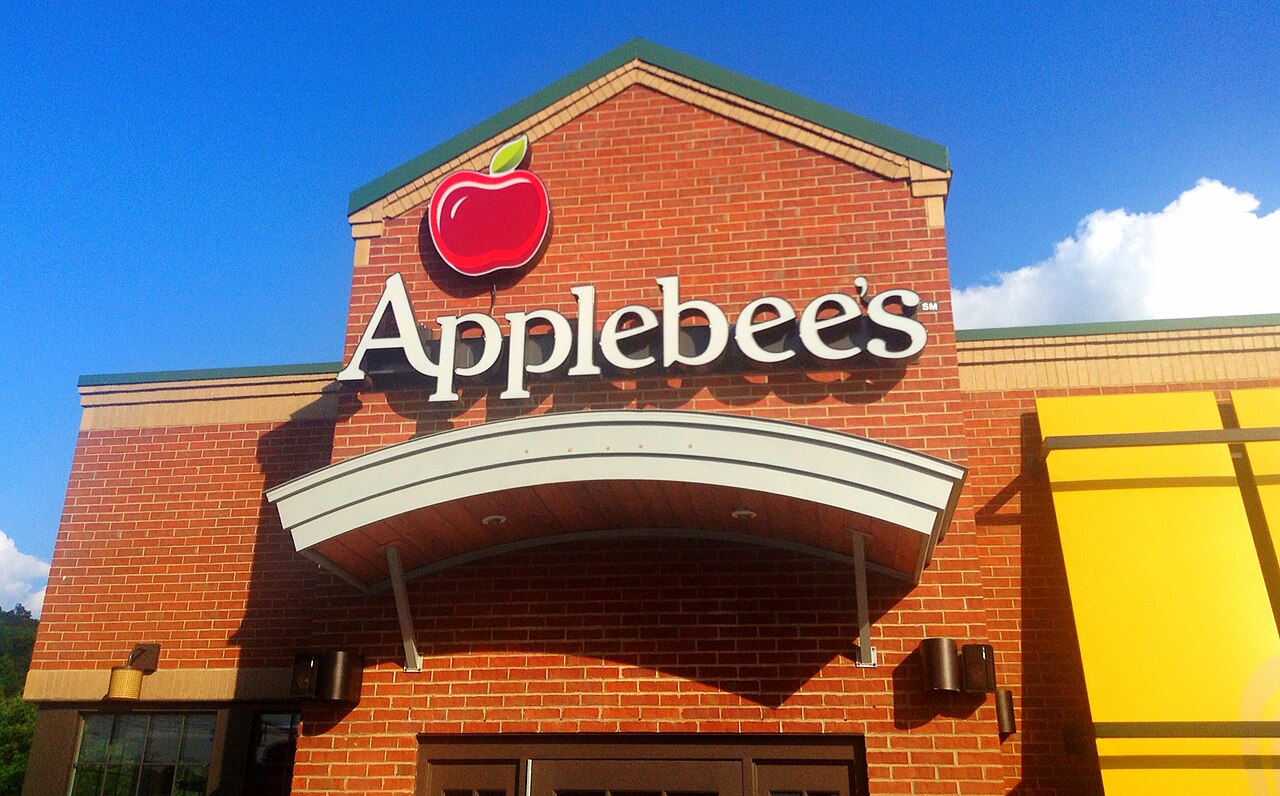
For much of the past half-century, national restaurant chains helped define how Americans ate away from home, turning highway exits, suburban shopping corridors, and mall-adjacent pads into standardized dining destinations. Five brands in particular — McDonald’s, Olive Garden, Applebee’s, Red Lobster, and TGI Fridays — became shorthand for distinct eras of U.S. dining, from fast-food expansion to the peak of casual dining. Their current footprints and recent filings also show how durable those brands remain, even as traffic, labor costs, and consumer preferences continue to reshape the business.
Scale made these chains cultural fixtures
McDonald’s set the standard for national restaurant scale long before many full-service chains reached coast-to-coast status. In its 2025 annual report, the company said it operates restaurants in more than 100 countries and reported $139.4 billion in systemwide sales for 2025, underscoring the reach that made it a defining force in American dining. Its growth model established the template for consistency, franchising, and menu familiarity that much of the industry later followed.
Olive Garden and Applebee’s became central to the next wave: mainstream casual dining built around broad national appeal. Olive Garden said it has nearly 900 restaurants, more than 99,000 employees, and more than $4.9 billion in annual sales, while Dine Brands said in its 2024 annual report that 30 franchisees owned 1,454 domestic Applebee’s restaurants as of December 31, 2024. Those numbers reflect the extent to which both chains became fixtures for family meals, promotions, and suburban dining traffic.
Red Lobster and TGI Fridays helped define earlier and later chapters of the same category. Red Lobster’s franchising materials describe the company as the largest seafood restaurant chain in the world, while TGI Fridays said in a November 2, 2024 bankruptcy filing that the company then owned and operated 39 domestic restaurants. Even with sharply reduced footprints, both names retain broad recognition because they were built during decades when chain dining was still expanding as a national habit.
The casual-dining era peaked nationally, not in one region
The broad impact of these chains was national, spanning cities, suburbs, and interstate corridors rather than one single state or metro area. That is especially true for Applebee’s, Olive Garden, and McDonald’s, whose domestic networks were designed to serve wide trade areas with highly repeatable formats. Public filings and company materials confirm national scale, but they do not always break out current unit counts city by city in a way that would identify every community most shaped by that era.
What is confirmed is that these brands became part of the physical layout of everyday American dining. Restaurant Business, in its historical review of the 1990s, reported that casual dining emerged as a dominant force in that decade, with chains including Red Lobster and TGI Fridays already established and then amplified by broader consumer demand. That helps explain why these brands became reference points not just for meals, but for birthdays, office lunches, family outings, and date-night dining in communities across the country.
What remains less clear in many cases is the exact local legacy by city, because companies do not always publish comprehensive historical location lists. For readers looking for city-level precision, that means some local influence can be inferred from footprint and longevity, but not every market’s role is publicly documented in current company disclosures. The result is a national story with uneven local data, even when the brands themselves are universally familiar.
Their staying power now depends on adapting to a different market
The forces reshaping these chains are well documented in company filings and industry reporting. The National Restaurant Association said in its 2025 industry outlook that operators continued to face many of the same pressures seen in 2024, while its Restaurant Performance Index showed traffic remained soft even when some operators posted sales gains. That matters most for casual dining, where value, labor, rent, and consumer frequency all weigh heavily on performance.
Recent restructurings made those pressures especially visible. Red Lobster filed for Chapter 11 on May 20, 2024, and Reuters reported court documents tied part of the company’s distress to losses connected to its Ultimate Endless Shrimp promotion. TGI Fridays also filed for Chapter 11 on November 2, 2024, saying the move was intended to address legacy liabilities and support long-term viability.
For customers, the meaning is practical rather than symbolic. McDonald’s, Olive Garden, and Applebee’s remain large, active chains, while Red Lobster and TGI Fridays have spent the past two years operating through restructuring and footprint changes confirmed in filings and industry reports. The era these chains defined is no longer expanding in the same way, but the brands still anchor a significant share of how Americans recognize restaurant dining today.
Столкнулся с выбором силового кабеля для подключения оборудования: по расчёту подходит ВВГнг-LS, но у разных производителей при одинаковой маркировке заметно отличаются диаметр жил, толщина изоляции и цена. Не хочется переплачивать, но ещё меньше хочется получить нагрев кабеля, просадку напряжения или проблемы после монтажа. На что вы смотрите при покупке силового кабеля и каким производителям сейчас можно доверять? Как правильно рсчитать нагрузку на ввгнг ls а
Платформа https://apananka.space/ – Apananka є перелік найкращих українських платформ про будівництво, про ремонт та приведення житла до ладу.
Тут розміщені перевірені платформи з практичними порадами від професіоналів, покроковими алгоритмами, ідеями дизайну, описами матеріалів та технологіями. Оновлено 2026. Серед представлених ресурсів: МояХатка, Забудовник, БудІдея, «Home Masters», Моє Село та ще багато інших.
Зручне місце для старту для людей, які збирається ремонтні роботи або будівництво та хоче знайти перевірену національну поради у зручному форматі.
Appreciate the depth in this piece. For speaker labels, timestamps and TXT/SRT/VTT export, see Gem Transcribe at . Gem Transcribe
Alright, tried 888jiliactivity.com and had a decent experience. They got a fair range of online games. Easy interface to understand. Give it a try for some activity! 888jiliactivity