
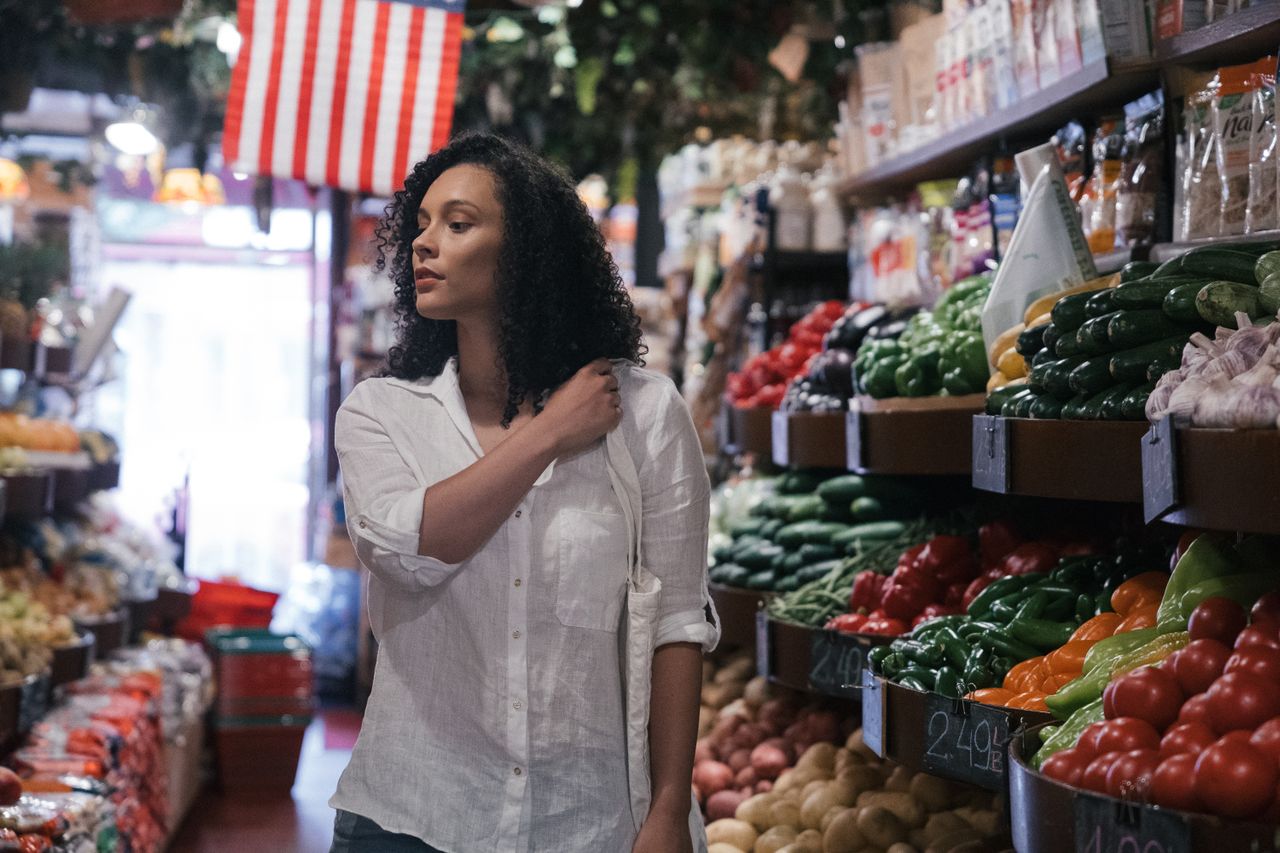
Nationally, grocery shoppers are still contending with stubborn food-price pressure and a retail landscape split between large chains and smaller specialty operators. In New York City, that has sharpened attention on a different kind of grocery advantage: neighborhood markets that function as price leaders, cultural hubs and supply lines for ingredients many mainstream stores do not stock. The city’s best-kept grocery secrets, increasingly, are not hidden luxury purveyors but immigrant supermarkets that have been serving regular shoppers for years.
The city’s grocery “secret” is scale, specialization and turnover
What stands out in New York is not a single newly opened store but the staying power of supermarkets that built their business around specific communities and high-volume staple shopping. Eater NY reported that Jubilee Marketplace in Greenpoint publicly lowered prices in July 2025 after customer complaints, a notable example of how closely urban grocery operators are responding to price sensitivity. The broader pattern across the city is that stores with fast inventory turnover and focused customer bases can compete on essentials even when national food costs remain volatile.
That dynamic is especially visible in markets that sell region-specific produce, sauces, noodles, seafood and pantry staples in large quantities. Eater’s reporting on specialty grocery shopping in New York highlighted chains and independents such as Food Bazaar in the Bronx and Queens and Hong Kong Supermarket in Chinatown as destinations for shoppers seeking both value and selection. In practice, that means customers often find lower per-unit prices on vegetables, rice, frozen dumplings, herbs and imported condiments than they would at smaller mainstream urban grocers.
The “secret” is also operational. Stores that know exactly what their customer base buys can stock deeply, turn merchandise quickly and limit waste. That matters in a city where refrigeration, rent and labor costs make grocery math especially difficult.
In NYC, the strongest impact is in immigrant neighborhoods and cross-borough shopping
The local effect is most visible in neighborhoods where grocery shopping is tied to community networks as much as convenience. Eater’s reporting on Manhattan Chinatown described the area as a long-running supply hub for Chinese families and workers, with shoppers returning for bok choy, dried mushrooms, sauces and other essentials not easily found elsewhere. That role extends beyond Lower Manhattan into Elmhurst in Queens and Brooklyn’s Sunset Park and Bensonhurst, where Chinese food businesses and grocery ecosystems expanded alongside population shifts.
Queens remains central to that story. Reporting from Eater on the Queens Night Market’s vendor pipeline shows how food businesses tied to immigrant communities can grow from informal or small-scale retail into larger operations, reflecting the borough’s role as an incubator for specialty food commerce. While that article focused on prepared food rather than supermarkets, it underscored the same local reality: Queens shoppers often rely on dense ethnic retail corridors for both affordability and access.
What is not publicly quantified is a citywide count of which stores offer the lowest basket prices neighborhood by neighborhood. No single official source has released a comprehensive list of New York City’s cheapest immigrant supermarkets by borough. But published reporting confirms the spread of these shopping networks across Manhattan, Queens, Brooklyn and the Bronx.
The reason is broader than taste: these stores solve price and access problems
The underlying cause is economic as much as culinary. Eater NY noted in July 2025 that consumers were bracing for further grocery price increases and that tariffs were one factor shaping anxiety about food costs. In that environment, neighborhood grocers that specialize in high-demand staples can attract not just diaspora shoppers but anyone trying to control a weekly grocery bill.
There is also an information gap that helps explain why these stores remain “best-kept” despite their importance. Eater’s reporting on WeChat-based Chinese food communities found that many immigrants and international students trade tips on where to buy specific groceries, from festival foods to regional snacks, through private digital networks rather than English-language media. In other words, some of the city’s most useful grocery knowledge circulates person to person, not through mainstream retail marketing.
For customers, the practical takeaway is straightforward. Shoppers in New York City should expect these markets to remain important sources of value, especially for produce, pantry staples and culturally specific ingredients, even as prices remain under pressure elsewhere. The strongest verified pattern is not a flashy new grocery concept, but the continued relevance of neighborhood supermarkets whose competitive edge comes from volume, specialization and loyal local demand.
this is a nice-text
Absolute game changer for me. The variety of rooms and the community vibe are just amazing. I spend most of my free time on vnhitclubpro now.