
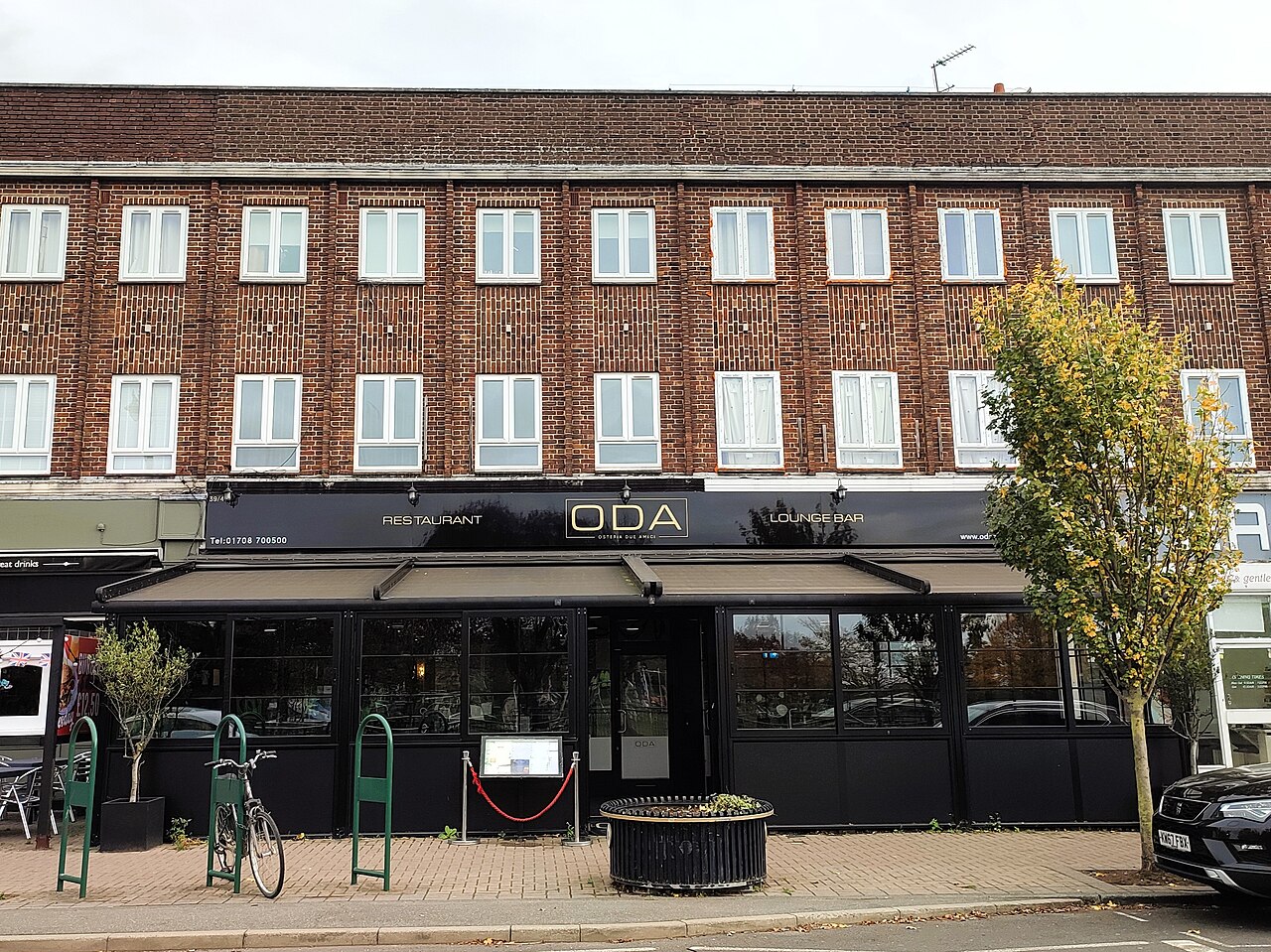
Nationally, restaurants entered 2026 facing persistent cost pressure, uneven customer traffic, and tighter household budgets, according to the National Restaurant Association. In Ohio, that pressure is showing up in a growing list of confirmed closures, especially in and around Columbus. Several longtime restaurants have shut their doors since late May, leaving visible gaps in downtown and suburban dining corridors.
A run of confirmed closures has hit central Ohio
One of the most visible closures came in downtown Columbus, where Mitchell’s Steakhouse at 45 N. Third St. shut down in late May 2026. Landry’s, the restaurant’s owner, confirmed the decision in a statement reported by AOL, saying the downtown steakhouse had closed after many years serving the area. The restaurant’s own location page now lists the downtown site as closed, while its Polaris location remains open.
The pace continued in June. Due Amici, an Italian restaurant in Columbus’ Arena District, permanently closed on June 8, 2026 after more than two decades in business, according to the reference reporting provided for this story. In suburban Dublin, BD’s Mongolian Grill at 6242 Sawmill Road closed June 14, 2026 after roughly 27 years, as reported by AOL and later noted by Columbus Underground.
Another Columbus closure followed at the end of the month. Lemongrass Fusion Bistro served its final customers on June 28, 2026, according to the reference material provided for this article. Taken together, that makes at least four confirmed central Ohio restaurant closures tied to Columbus or Dublin between late May and June 28, 2026, involving both downtown full-service restaurants and a long-running suburban casual dining location.
The impact is clearest in Columbus, but the statewide picture is still incomplete
What is confirmed so far is concentrated in central Ohio. The closures named in available reporting are all in Columbus or Dublin: Mitchell’s Steakhouse downtown, Due Amici in the Arena District, Lemongrass Fusion Bistro in Columbus, and BD’s Mongolian Grill on Sawmill Road in Dublin. That concentration matters because downtown Columbus has already been navigating reduced office traffic and changing daily dining patterns.
The Mitchell’s closure in particular removes another restaurant space from the downtown core, an area where lunch, happy hour, and event-driven business have become less predictable. Due Amici’s shutdown also stands out because the restaurant served a mix of office workers, convention visitors, and Blue Jackets fans, according to the reference reporting. Those are customer groups tied directly to the health of downtown foot traffic.
What is not yet known is the full statewide count of comparable closures in 2026. The companies involved have not released a comprehensive Ohio list beyond the specific locations that have been publicly confirmed. Reference reporting also notes that some national chains operating in Ohio, including Red Lobster, Pizza Hut, Papa John’s, and Wendy’s, have been trimming underperforming locations in 2026, but city-level Ohio counts were not provided in the source material used here.
Rising costs and uneven traffic are at the center of the shift
The reasons cited in reporting on these closures line up with broader industry data. The NewsBreak reference source says Ohio restaurants are being squeezed by rising operating costs, labor shortages, inflation, elevated rents, and shifting consumer habits. In Mitchell’s case, reporting said the closure was tied to changing business conditions in downtown Columbus, a sign that location-specific traffic patterns remain a major factor.
National industry data shows those pressures are not isolated. The National Restaurant Association’s 2026 State of the Restaurant Industry report said operators are dealing with persistent cost pressures, uneven traffic, and cautious consumer spending. The group has also said food and labor remain the two biggest restaurant cost categories, with each accounting for about 33 cents of every sales dollar, while total average restaurant expenses have risen sharply since 2019.
For Ohio diners, the practical takeaway is straightforward: some familiar addresses are gone, and more turnover is possible even without a single statewide shutdown wave being formally announced. Vacant restaurant spaces in Columbus and Dublin may eventually be filled by new concepts, but the current record shows an active transition already underway. As the restaurant industry trade group has stated, 2026 remains a year of measured growth nationally, but one still defined by margin pressure and uneven demand.
Great variety of tables and slots. I’ve won a decent amount here and the process of getting my money out was seamless. You can’t go wrong with 200jilicasinologin.