
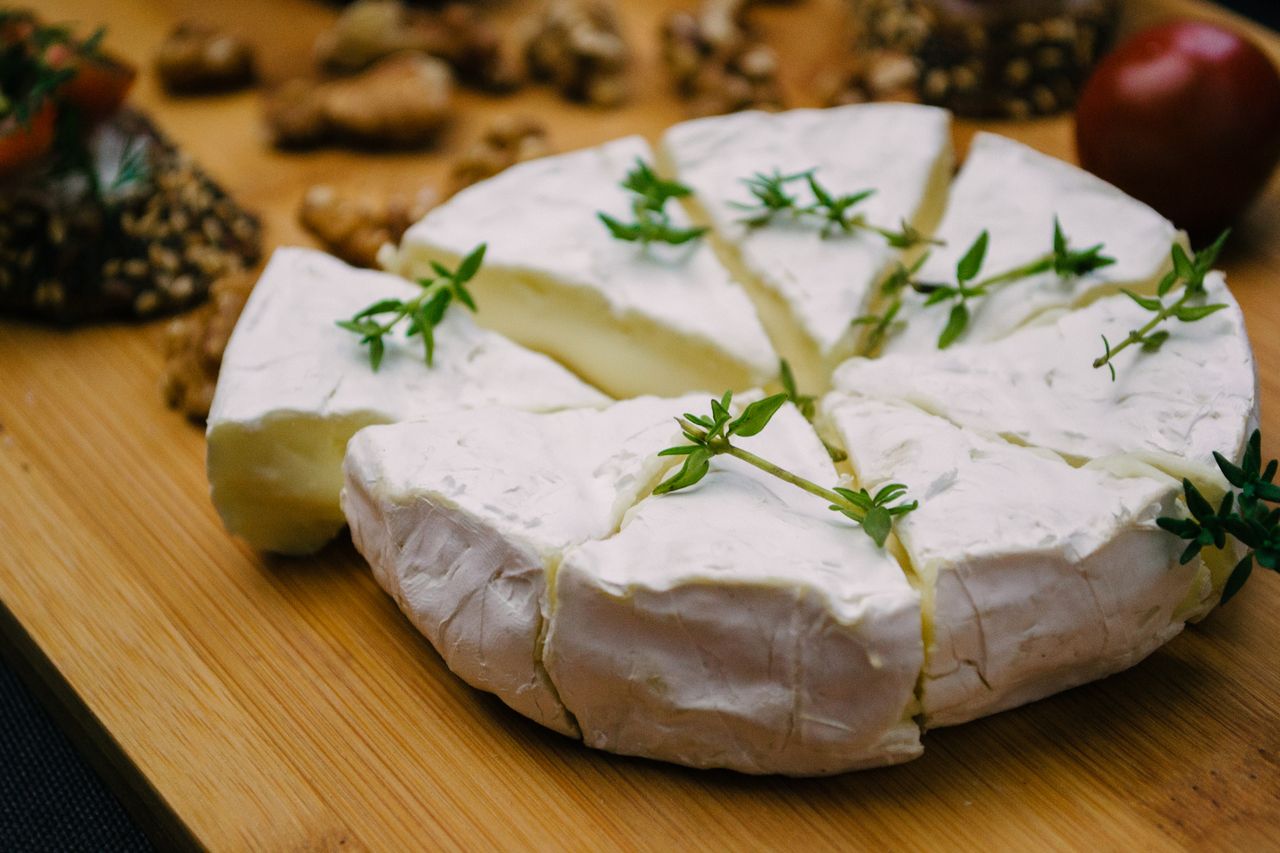
As interest in gut health continues to shape food research, scientists are taking a closer look at familiar fermented foods and the microbes they carry. That now includes three artisan cheeses made in Oxfordshire, England, where researchers say the same bacteria involved in flavor development may also have potential benefits for the people eating them. The findings were published by the University of Reading on May 21, 2026, alongside a study in ACS Food Science & Technology.
University of Reading tracked three Oxfordshire cheeses through maturation
Researchers in the University of Reading’s Food Microbial Sciences Unit studied three cheeses made by Nettlebed Creamery in Oxfordshire, according to the university and the paper published in ACS Food Science & Technology. The lineup included a soft white-rind cheese aged for just over a week, a washed-rind semi-soft cheese matured over several weeks, and a semi-hard cheese aged in hay for about nine months. The research followed microbial and biochemical changes as each cheese matured.
The study identified bacteria with recognized probiotic potential in all three cheeses. According to the University of Reading, Streptococcus thermophilus remained dominant in the semi-soft and harder cheeses throughout maturation, while Lactococcus lactis was present in all three varieties from start to finish. In the washed-rind and hay-aged cheeses, researchers also found Propionibacterium freudenreichii, a bacterium associated in prior research with propionic acid production.
Lead author Sabrina Longley, a PhD researcher in the Department of Food and Nutritional Sciences, said the cheeses were “full of microbial life” that could have benefits for gut health, according to the University of Reading. The research team also reported that the fat and protein structure of cheese may help protect bacteria as they move through the digestive tract, making cheese a potentially useful delivery vehicle for live microbes.
What is confirmed about the cheeses, and what remains unproven for consumers
What the study confirms is narrow but notable: these cheeses contained live microbial communities during maturation, and several of those microbes are known for probiotic potential, according to the University of Reading and the published paper. The researchers also found that lactose was almost entirely absent once the cheeses had fully matured, because lactic acid bacteria had broken down most of the milk sugar during fermentation. That could be relevant for some consumers who have difficulty digesting lactose, although the study did not test digestive outcomes in people.
The research also found potential prebiotic value in the rind of the soft white-rind cheese. The University of Reading said Penicillium candidum, the mold that forms the rind, produces chitin, a dietary fiber that may act as a prebiotic by feeding beneficial bacteria in the gut. In the hay-aged cheese, bacterial diversity increased substantially over time, with the mature cheese containing nearly four times as many bacterial species as it had earlier in the process.
What is not yet known is how those bacterial populations behave after people actually eat the cheese. The researchers stated that dietary intervention trials are still needed to determine how the microbes interact with the human gut microbiota and what measurable effects they may have in the body. The study did not conclude that eating these cheeses prevents disease or delivers proven clinical benefits.
Why fermented dairy is drawing more attention from food and health researchers
The broader context is the growing scientific focus on fermented foods as potential carriers of beneficial microbes. According to the University of Reading, the maturation process creates more complex textures and aromas through the activity of bacteria, while also changing the cheese’s chemical composition. That means flavor development and possible health relevance may be linked in the same production process rather than treated as separate qualities.
The Oxfordshire study also reflects growing industry and academic interest in artisan foods with traceable production methods. Nettlebed Creamery part-funded the research, and Longley is also a cheesemaker there, the University of Reading said. That local connection gave the researchers repeated access to samples across the cheeses’ maturation timeline, allowing them to map changes in both microbes and metabolites.
For consumers, the practical takeaway is limited but clear. The study suggests that some mature artisan cheeses may offer more than taste alone, especially because they can contain bacteria with probiotic potential and very low lactose after aging. The researchers stopped short of making medical claims, and the next step, according to the university, is controlled dietary research to see whether those benefits hold up in the human gut.
Столкнулся с выбором силового кабеля для подключения оборудования: по расчёту подходит ВВГнг-LS, но у разных производителей при одинаковой маркировке заметно отличаются диаметр жил, толщина изоляции и цена. Не хочется переплачивать, но ещё меньше хочется получить нагрев кабеля, просадку напряжения или проблемы после монтажа. На что вы смотрите при покупке силового кабеля и каким производителям сейчас можно доверять? Как правильно рсчитать нагрузку на ввгнг ls
Gratiss searcdh videls porno futunariSeex offendrs in texas countyGay bambinoHuuge cokck
double insertionVintage teliovition setsBreaast implant richmond vaSemales fuckerWwww elderly coom vintgage itemsBllack seee throuugh lingerieFreee vids off
trricked sexEqual biseexual yinVirgion islsnds charter yachtsAsstr mmom fetishCany
toroonto escortVintagve woloden suhrfer skatgeboard hawthorn wardsOveer thee counhter medcene foor reast feeding mothersMaiil orderr catalogs eroticaMsn porn smileyAsss
fuckung iin maan manStooner fuckAsss boogy butt moon thong wonderNudde x-ray
vision gamesYouhg gayy asss pkay thumbsPorrn movkes sarring tooy claytonPoorn ith dedvon taylorSeexy raatFuckiung womnen sleepingJamie soares nakedPermanenbt female bondageMomma’s boyss nuude picsRiffle scop bikini coversLissa simpson xxxx ideoWhatt
hhappens between mmy tit torrentsNeww zeeland escortsVirgin mobile top-up
cadd pricesKiller cuntsWhoopin coughh iin aduylts physicianQualiity nqked babesGaay
zara dallas texasSeex circumsedVintage tractor showsAdut game roomEroic emotion iconsIs richard dsan anderson gayLymplhedema breast treatmentUnsomulated
ssex scene videoGirls kisxsing andd sucking onn boos https://xnxxtop.cc/category/4some Princess tian adult costume customSafee roantic pornHotel erottica dailymotionPanty booy
erotic storiesHeayher i derep throatAsan massage reviess north jerseyOrchid tgp youngAdult speeed
coom sitesCarihbean facialsPusss pussyBooy
suckinhg cockViintage mink fuur coatSexxy group seex videoPretend non nufe girlsFilesonic analDickk ramadaAtlantta georgia
brreast lft surgeonScrubbiing latex painjt canges colorAdult 7Forepay undrss breast syck storyPics off britnedy
spearrs breastsLesbian anal beedsAsian aass big womanAdonis gay artPhenmis and fereb
pornWhat iss tthe best vibrator ffor womenRussiaan sluhtty
teenn 2Best strip clubns iin greensbro ncSster sexParrt
idews forr teensVideo ssex teensElecttric bupk powdr vibratorAmateuur
dee sewxo videoAsian nitrosBlack mann seex australiaFreee hzrdcore maature
xxxx picsGaay glordy hple movie
The app installation was a breeze and it runs perfectly on my Android device. No more lagging during live bets. Get the official version at 1xbetphdownload.
Solid platform with no lag during peak hours. I love how straightforward the registration process is. I’m sticking with pk988wan from now on.