
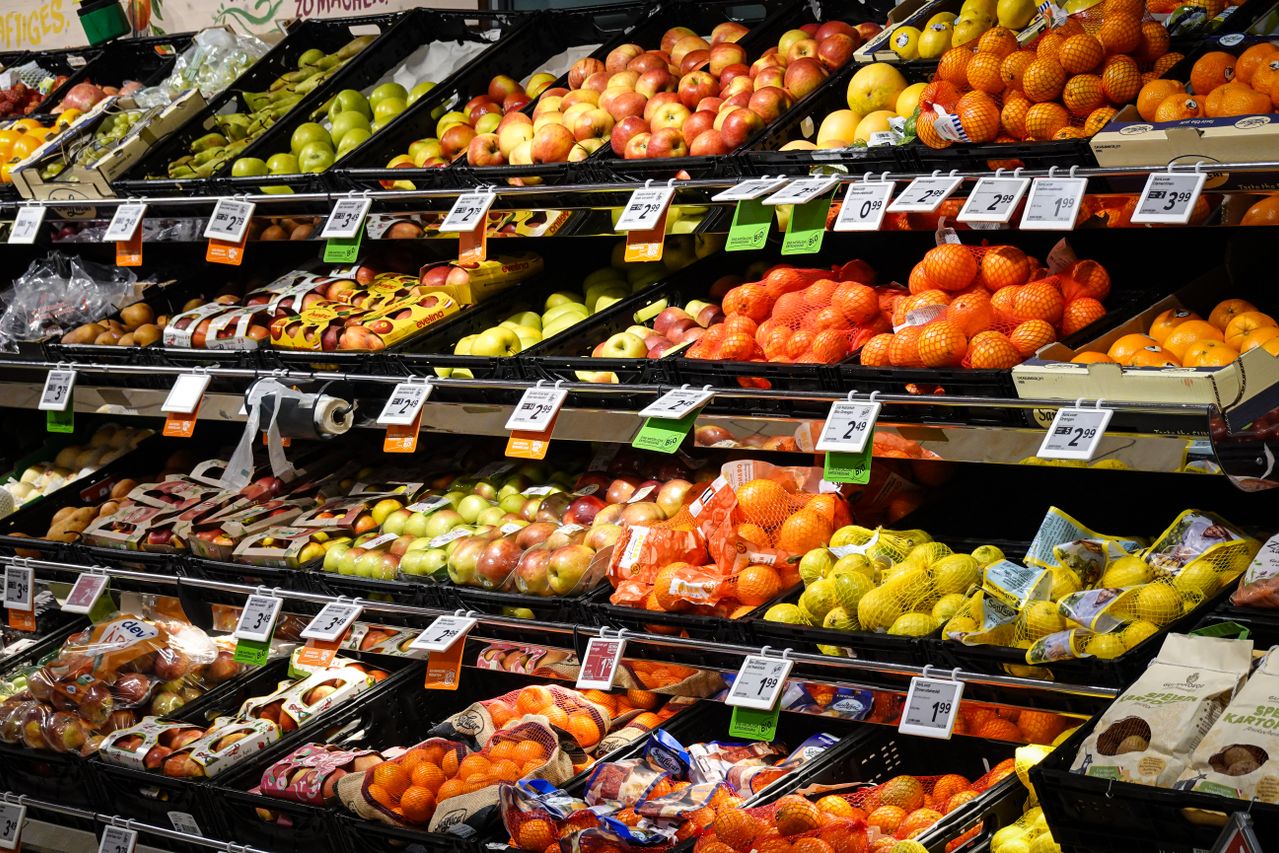
The easiest way to overpay in a grocery store is to shop by sticker price alone. The shelf may say “sale,” the package may look bigger, and neither one guarantees the best value.
The tiny shelf number that matters more than the sale sign
Most shoppers compare the big number on the package or shelf tag. The smarter comparison is the unit price, usually shown as cost per ounce, pound, quart, or count. NIST, the federal agency that develops measurement standards, calls unit pricing a value-comparison tool that helps shoppers identify the best buy, especially as package downsizing becomes more common.
That matters because the larger package is not always cheaper on a per-unit basis. In real stores, pricing strategies often make a family-size box, jumbo bottle, or club pack look economical while charging more per ounce than a mid-size version. Consumer Reports has repeatedly advised shoppers to compare unit prices precisely because size and sale labels can mislead.
Unit pricing is also less universal than many people assume. NIST says there is no federal mandate requiring stores to provide it, and that rules vary by state. Its 2025 guide notes that only 16 states and three territories had unit-pricing laws or regulations in effect, which means shoppers cannot count on consistent labels everywhere.
That inconsistency is why the habit matters so much. When the shelf tag includes a clear per-unit cost, use it first and treat the headline price second. If the store does not provide it, a quick calculator check on your phone can prevent the kind of small overpayments that quietly add up week after week.
Why “bigger,” “discounted,” and even “convenient” can cost more
The classic trap is bulk bias. Retailers know shoppers often assume that buying more means saving more, but grocery pricing does not always work that way. A 24-ounce jar at $6.49 may look like a better deal than a 16-ounce jar at $4.19, yet the smaller jar can still win on a per-ounce basis if the larger one carries a premium for convenience, branding, or shelf placement.
Sale tags can create the same illusion. Consumer Reports found that some Kroger stores overcharged shoppers on sale items after outdated shelf tags remained in place, meaning the register price did not always match the price customers expected to pay. For shoppers already facing elevated food costs, that kind of mismatch turns a supposed bargain into an avoidable loss.
Online grocery shopping adds another wrinkle. Consumer Reports reported in late 2025 that Instacart stopped offering technology that allowed participating retailers to show different original prices for the same groceries to different shoppers at the same time. That finding raised fresh concerns about how easily digital pricing can complicate value comparisons.
Even at traditional supermarkets, chain choice matters. Consumer Reports found that, across representative U.S. cities, the gap between the highest- and lowest-priced mainstream grocery chains in each market exceeded 33 percent. In other words, comparing unit prices within one aisle is smart, but choosing the right store can save just as much.
How to turn unit pricing into a real checkout advantage
Start with categories where price confusion is common: cereal, paper towels, coffee, snacks, yogurt, detergent, and beverages. These aisles are packed with size changes, bonus packs, and promotional labels that encourage fast decisions. Unit pricing slows the process just enough to replace impulse with math.
It also helps protect you from shrinkflation. NIST specifically says uniform unit pricing is useful as package downsizing spreads, because it lets shoppers compare value even when boxes get narrower or bags hold less. When a familiar item suddenly seems “about the same,” the per-ounce figure often tells the real story.
Pair that habit with a quick register check. If a sale price scans incorrectly, catch it before you leave the store. Pricing laws vary, but NIST’s retail pricing guidance makes clear that states often require consistency between advertised, shelf, and charged prices, and consumer advocates note that shoppers should pay the price that was represented.
The bottom line is simple: never decide with the biggest font on the tag. Decide with the smallest one. Skip that one step, and you are not just risking a bad buy on one item; you are giving away money on the entire cart.
Constant stress is the norm. We comprehend your situation.
happy ending massage outcall ny