
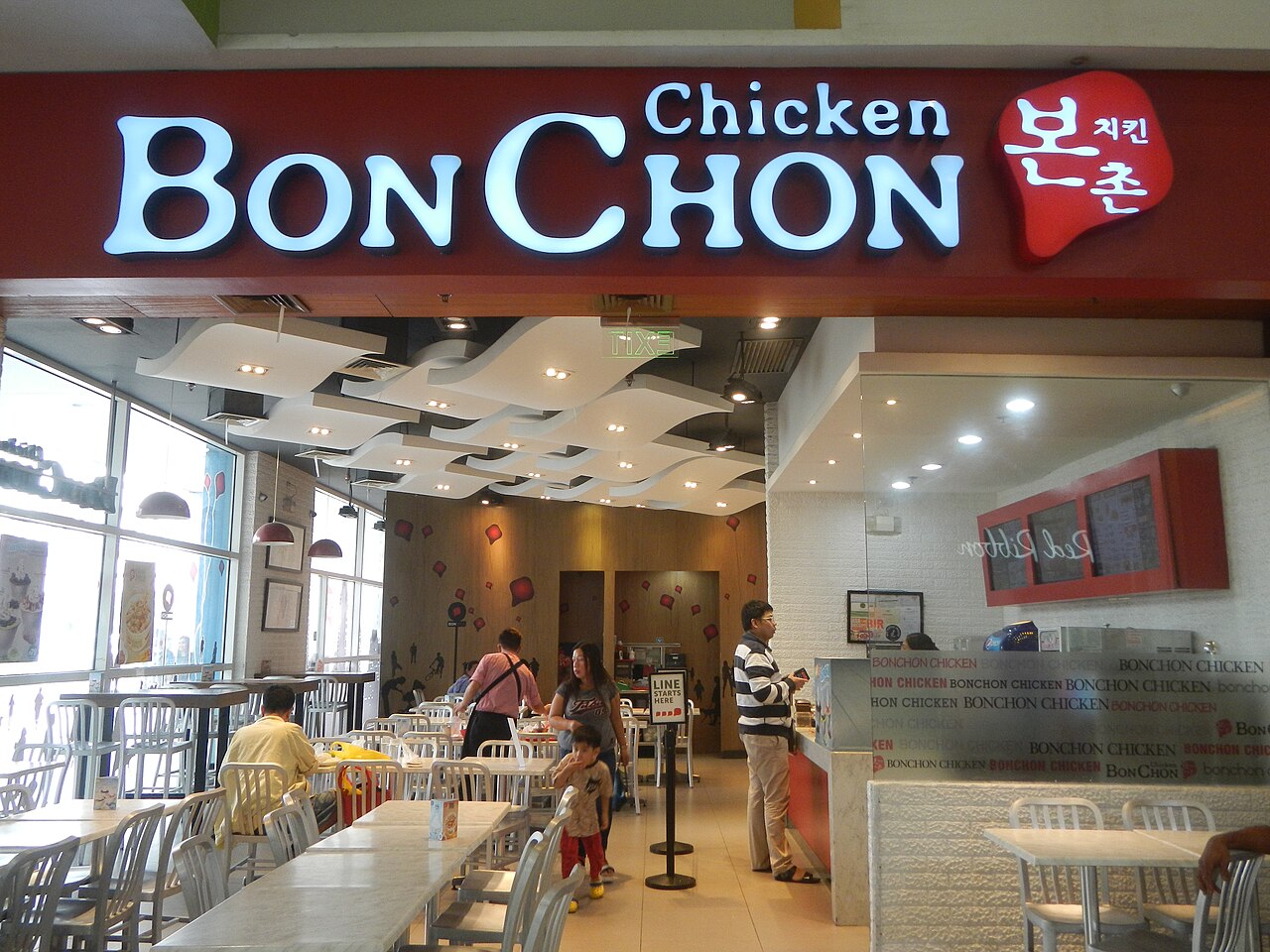
Restaurant dealmaking has stayed active in quick service and fast casual as investors chase brands with room to grow across franchise markets. Bonchon, the Korean fried chicken chain known in the U.S. for its double-fried chicken and sauce-driven menu, is the latest brand to change hands. The transaction points to continued demand for restaurant concepts with international reach and a scalable operating model.
Bonchon’s ownership is being divided by region
Bonchon said it agreed to be acquired by two buyers, with Minor Food taking the chain’s business outside the Americas and Serruya Private Equity taking the Americas business, according to reporting by Nation’s Restaurant News. The publication reported that the deal was expected to close in August and described Bonchon as a system with about 500 units worldwide across nine countries, including roughly 150 in the United States. That makes this a sizeable ownership change for a brand that has built a meaningful U.S. footprint while keeping a much larger presence in Asia.
The structure of the sale is unusual because the buyers are splitting the system by geography rather than placing the entire chain under one owner. Minor Food is a subsidiary of Minor International and already has ties to the brand as Bonchon’s master franchisee in Thailand, according to Nation’s Restaurant News and Minor Food’s corporate materials. Serruya Private Equity, based in Toronto, is taking the Americas side with plans centered on growth across the United States, Canada, Mexico and Chile, per the same report.
Bonchon chief executive Suzie Tsai said in a company statement cited by Nation’s Restaurant News that the transaction is intended to accelerate the brand’s expansion. Michael Serruya, chair of Serruya Private Equity, said Bonchon has a differentiated product, a loyal customer base and a franchise model with room to scale, according to the report.
What the deal means in the U.S. market
For U.S. diners, the clearest confirmed change is at the ownership level, not at the store level. Nation’s Restaurant News reported that Serruya will control Bonchon’s outlets in the Americas, which includes the chain’s approximately 150 U.S. restaurants. Bonchon has not released a comprehensive public list tied to the transaction identifying which specific U.S. cities or states could see the earliest expansion activity under the new ownership structure.
What is known is that the U.S. remains central to Bonchon’s growth strategy. The chain made its U.S. debut in New York City in 2006, according to Nation’s Restaurant News, and has since expanded through a mix of full-service and fast-casual formats, as well as ghost kitchens and mall locations. That operating flexibility is one reason the brand has been able to enter different types of trade areas without relying on a single restaurant format.
What is not yet known is whether the ownership change will lead to immediate menu, pricing or store design changes in the United States. No public filing or company statement in the source material lays out a timetable for operational changes at specific U.S. locations. For now, the confirmed U.S. takeaway is that Bonchon’s Americas business is changing hands while the brand continues to present franchise growth as a priority.
Why buyers were interested in Bonchon
The rationale behind the deal appears to be growth, scale and category positioning. Nation’s Restaurant News described Bonchon as one of the more compelling global restaurant brands in the market, with buyers highlighting its strong customer following and franchise potential. The chain sits at the intersection of two attractive trends for investors: chicken remains one of the most expansion-friendly restaurant categories, and Korean flavors have become more mainstream in U.S. dining.
Tsai said in a statement cited by Nation’s Restaurant News that Bonchon’s momentum reflects broader consumer adoption of Korean flavors. That context matters because private equity and strategic buyers often pay closest attention to concepts that can travel well across markets while staying distinctive. Bonchon’s sauce profiles, format flexibility and international recognition all support that case, especially for operators looking for growth beyond the crowded burger and pizza categories.
The backgrounds of the two buyers also help explain the transaction. Minor Food is one of Asia’s larger restaurant operators, with thousands of restaurants across multiple countries, according to Nation’s Restaurant News and Minor Food materials. Serruya, meanwhile, has a long history investing in restaurant brands, and Michael Serruya said the firm and Minor share a long-running approach built around disciplined franchise growth and operations. For customers, that means Bonchon is moving into the hands of owners who are buying the brand for expansion, not for a public retreat from the market.
Honestly, finding a smooth login page like uefa888login is a breath of fresh air. No lag, no weird redirects, just straight into the action. Love how easy it is to track my bets on the go. Highly recommend checking it out. uefa888login
I have tested quite a few casinos online but this one consistently delivers top notch entertainment with rock solid security. My deposits clear instantly and the game library keeps getting better with every month. Take a look at what they offer right here casinoniclogin
I mainly come here for the jili titles and the mobile experience is absolutely flawless. Everything loads quickly on my tablet and the graphics are crisp. The loyalty program actually rewards regular play and the staff treats everyone with respect. It feels like a community where players are valued rather than just numbers. Come explore bdbjjili and feel the difference.