
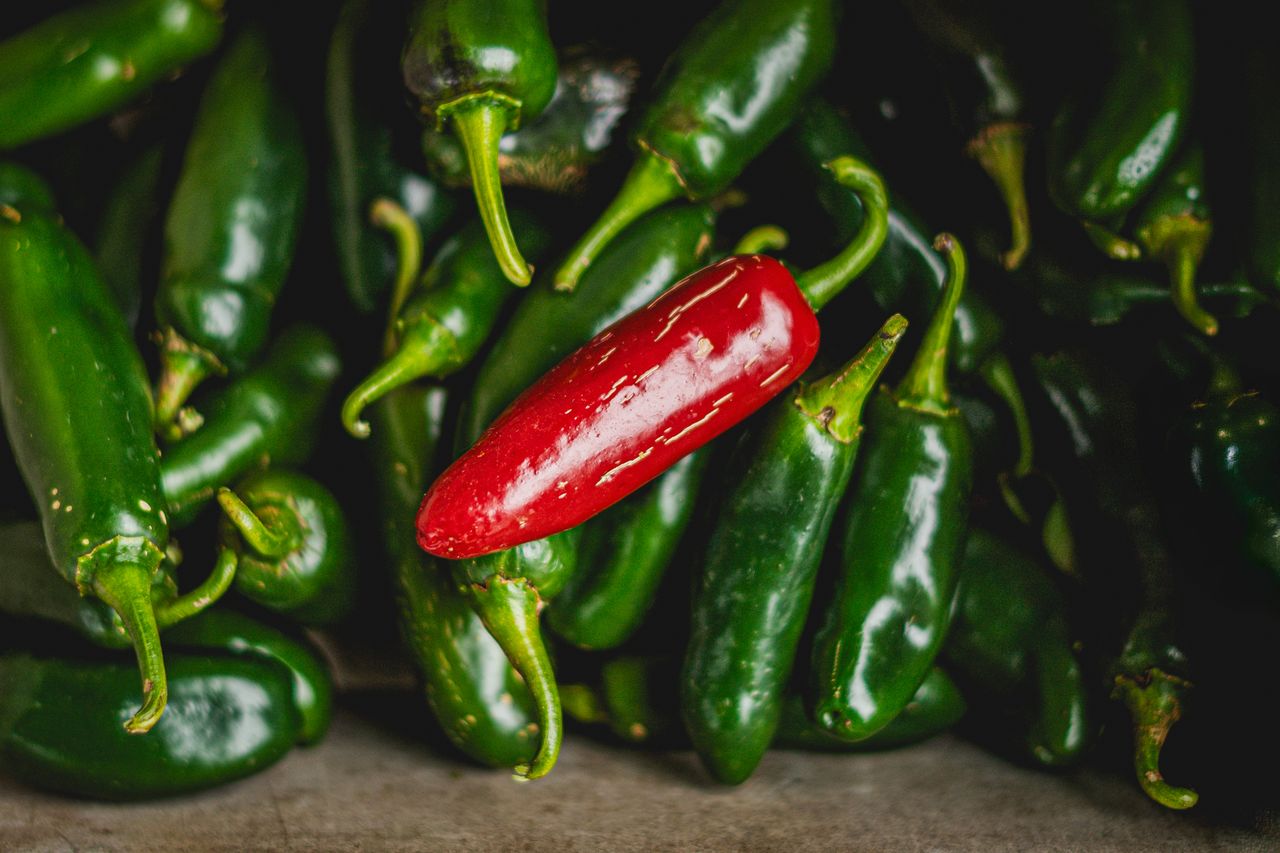
A multistate food-safety investigation has put fresh produce back in focus as regulators and retailers respond to another summer recall. This time, jalapeños linked to a salmonella outbreak were pulled from distribution in 27 states, including Texas, after federal officials traced the peppers to a Mexican farm and U.S. distributor. The latest fallout has reached grocery prepared foods as brands and stores remove products made with the recalled peppers.
The recall reaches 27 states as the outbreak grows
Federal health officials said at least 345 people in 27 states have been sickened in the outbreak, with 36 hospitalizations reported as investigators linked illnesses to jalapeños distributed in the United States by Coast Citrus Distributors, according to the Associated Press and follow-up reporting on the federal investigation. Houston Public Media reported on August 11 that jalapeños had been recalled in 27 states, including Texas, after being tied to the nationwide salmonella outbreak.
The official FDA recall number and final enforcement classification were not publicly confirmed in the source material reviewed for this article. A precise FDA recall initiation date for the underlying Coast Citrus jalapeño recall also was not available in the provided official materials. What is confirmed is that the outbreak update identifying the jalapeños and distributor was publicly reported on August 6, 2026, and that recalls tied to those peppers were underway by that date.
The exact product coding for the fresh jalapeños at the center of the Coast Citrus action, including UPCs, lot codes, pack sizes, and a complete state-by-state FDA distribution list, was not publicly available in the source material reviewed here. That means consumers may be seeing follow-on recalls from retailers and prepared-food suppliers rather than a single uniform shelf label. Those downstream recalls have included salsa, guacamole, and pico de gallo products made with the implicated peppers.
Texas is confirmed, but a full list of local store impacts is still incomplete
Texas is among the 27 states named in reporting on the outbreak, and Houston Public Media specifically identified Texas as part of the recall footprint on August 11. That confirms the state-level impact, but it does not yet answer every local question about which stores or prepared-food counters received the affected peppers. The companies involved have not released a comprehensive public list of every Texas retail location or restaurant location affected by the original jalapeño distribution.
Some secondary recall notices do provide more detailed state distribution information for prepared foods. One FDA-linked retail notice reproduced in local reporting showed Freshness Guaranteed Mild Pico De Gallo 10-ounce cups distributed to Texas, with best-if-used-by dates from August 8, 2026, through August 16, 2026, and UPC 681131276344. The same notice listed a spicy 10-ounce version, UPC 681131276351, but did not include Texas in that product’s posted state list.
City-level impacts inside Texas remain incomplete in the publicly available material. A Costco recall notice shared with Dallas-area shoppers indicated 5-pound jalapeño peppers, item number 514606, were sold between July 13 and August 5 at the Dallas and Stafford Business Center locations. Beyond those examples, the full Texas store map has not been publicly released.
Why the peppers were pulled and what shoppers should expect now
The recalls stem from a salmonella outbreak investigation that traced the peppers back to a farm in Mexico and to Coast Citrus Distributors as the importer or distributor that moved them into the U.S. market, according to the Associated Press. Later recall actions broadened the impact when prepared-food makers, including Taylor Fresh Foods, said they were removing products made with jalapeños supplied through that chain after working with the FDA and CDC.
That sequence matters for shoppers because the shelf impact now goes beyond loose fresh peppers. Products affected in later recalls have included grocery deli items, salsa, guacamole, and pico de gallo sold under store brands, with best-if-used-by dates extending into mid-August 2026, according to retail recall postings and local reports citing FDA notices. The company guidance in those notices has generally been to stop using the affected products and discard them or return them where permitted under the specific retailer’s recall process.
For residents in Texas and the other affected states, that means the practical effect may appear in prepared refrigerated foods as much as in produce bins. More product-specific notices may continue to appear as companies identify items made with the recalled jalapeños, while federal investigators continue tracing illnesses tied to the outbreak.