
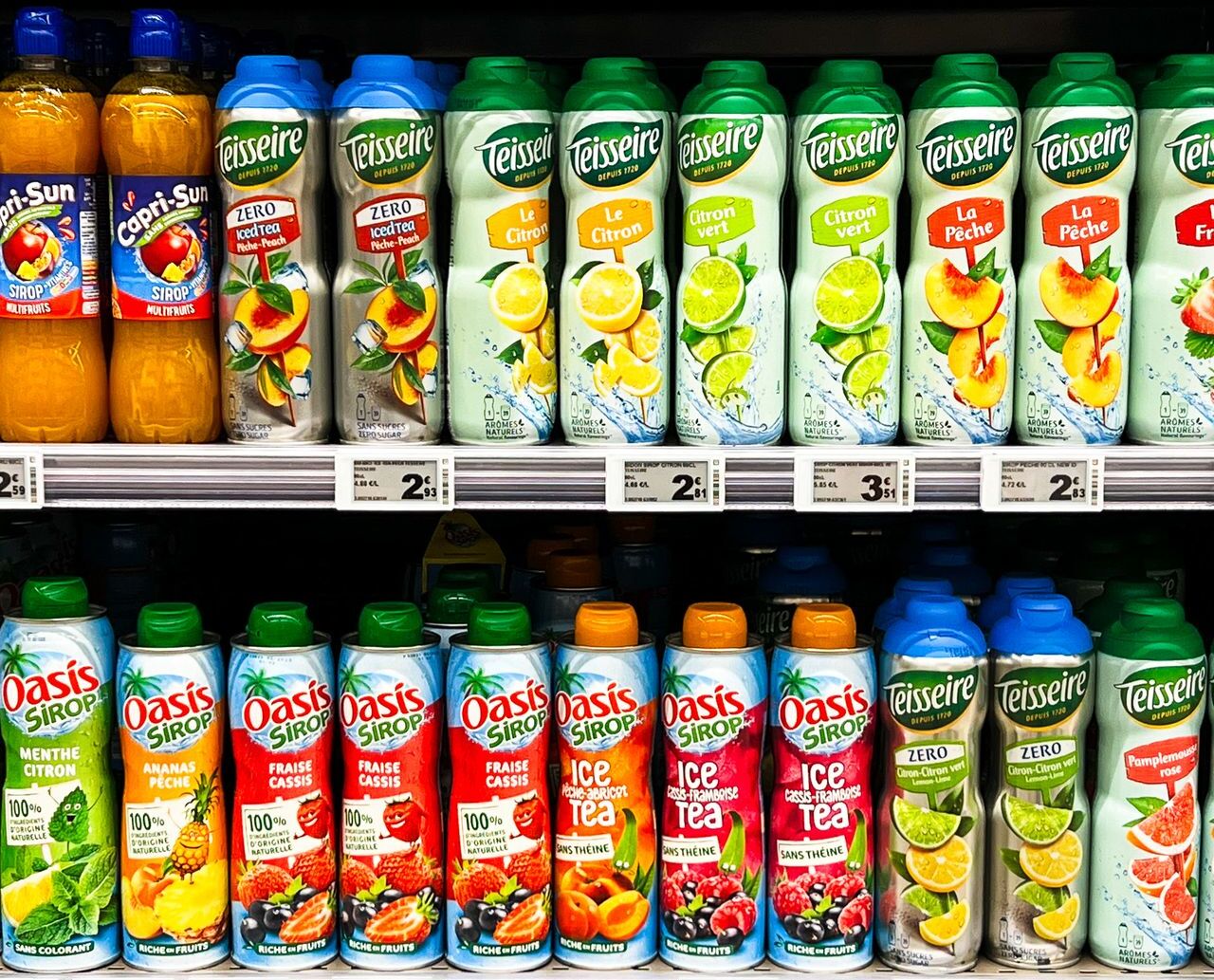
Back-to-school shopping is not just about notebooks and lunch boxes anymore. It is also prime time for snack packs, breakfast bars, juice boxes, and pantry “deals” that appear to lighten the bill.
But the sticker price is often the least useful number in the aisle. If you are not checking the per-ounce or per-count cost, that sale may be training you to pay more.
The shelf tag tells the truth the package does not
The clearest way to judge a grocery deal is the unit price, the small figure on the shelf that shows cost per ounce, pound, or count. The Federal Trade Commission has warned shoppers that packaging can shrink while the headline price stays the same, making the unit price the number that really reveals value. That matters during back-to-school season, when manufacturers lean heavily on portioned snacks and “grab-and-go” formats that look budget-friendly at first glance.
A smaller multipack can easily beat a larger box on convenience and still lose badly on value. A 10-count snack pack priced at $4.99 sounds cheaper than a family-size box at $6.49, but the smaller package may cost substantially more for each ounce inside. NIST, which publishes weights and measures guidance used by regulators, defines shrinkflation as a reduction in net contents without a matching price cut, which effectively pushes the unit price higher.
This is not just a theory from consumer advocates. FTC research presented in a marketing and public policy conference documented how companies have reduced package sizes while holding shelf prices steady, raising the real price invisibly. In a rushed August shopping trip, most families notice the bold sale sticker, not the quiet math underneath.
Why back-to-school packaging is built to feel like savings
Back-to-school merchandising is designed around urgency, portability, and routine. Lunchbox-size chips, single-serve crackers, mini cereal cups, and juice pouches solve real problems for busy households. They also tend to carry a premium because you are paying for processing, portioning, and packaging, not just food.
Consumer Reports has repeatedly advised shoppers to compare unit prices because store brands often undercut national brands by 15 to 25 percent, with even bigger savings in some household categories. That gap becomes especially important in August, when branded school snacks are stacked in themed displays and promoted as must-haves. The merchandising creates a strong value signal even when the arithmetic says otherwise.
There is another catch: sale accuracy and channel pricing. Consumer Reports found a pattern of grocery sale-tag errors at Kroger-owned stores, raising concerns that advertised discounts do not always ring up as expected. The same outlet also reported that some online grocery shoppers saw price differences of as much as 23 percent per item, a reminder that digital convenience can distort what looks like a smart stock-up.
How to beat the ounce trap without giving up convenience
Start with one simple rule: compare the unit price before you compare the package design. If the shelf tag is missing, use your phone calculator and divide the total price by ounces, pounds, or item count. That one habit neutralizes most deceptive “deal” psychology in seconds.
Next, separate convenience buys from value buys. It can make sense to buy one box of individually packed snacks for hectic school mornings, then rely on larger-format crackers, pretzels, applesauce, or cereal for the rest of the week. Repackaging bigger containers at home often cuts the per-ounce cost while preserving the same lunchbox function.
Finally, watch for hidden signals that a bargain is not a bargain. If the box looks narrower, the pouch seems lighter, or the count dropped from 12 to 10, assume the unit price deserves a closer look. The FTC specifically advises consumers to use shelf unit pricing and serving-size labels as clues when package contents change. In other words, the smartest back-to-school shopper is not the one chasing the loudest sale sign. It is the one reading the smallest number on the shelf.