
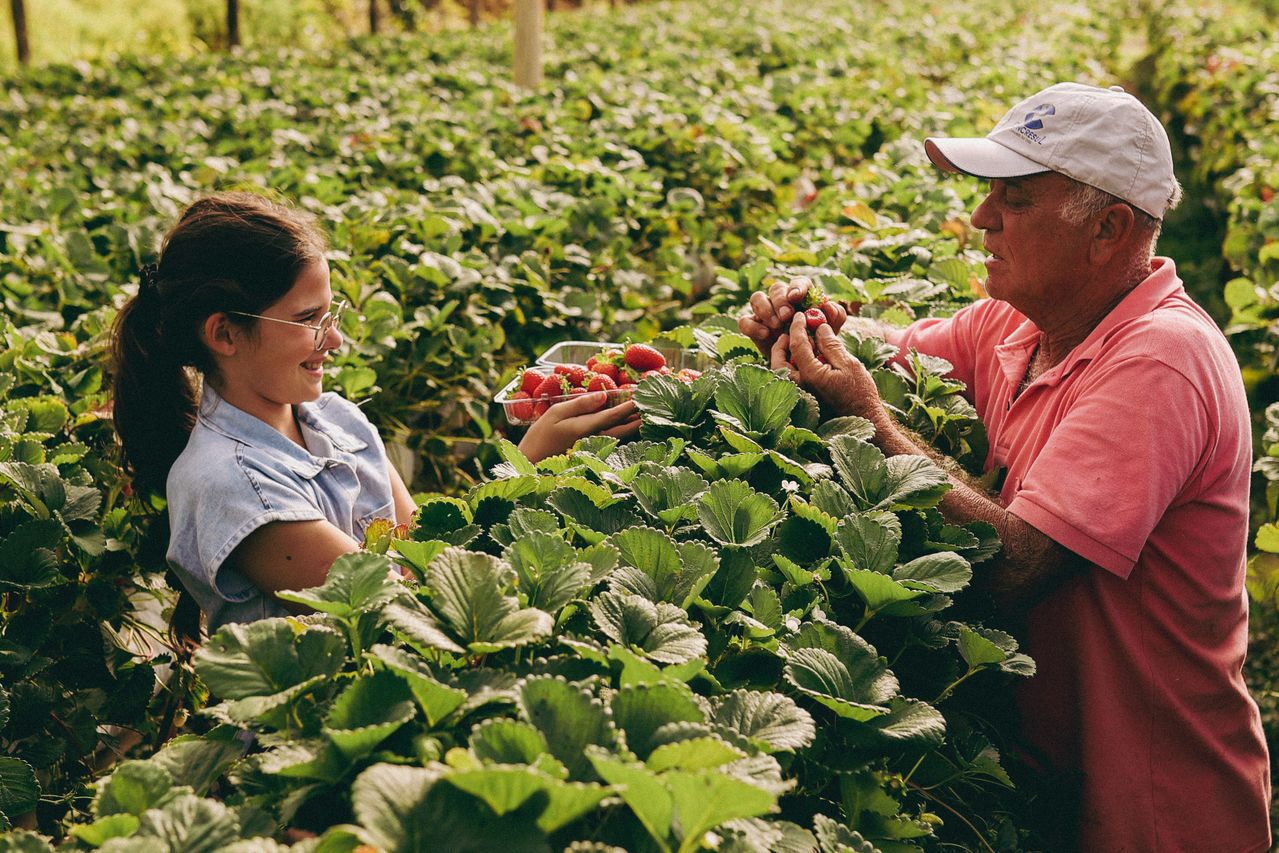
School meal policy is shifting as federal officials push districts to serve more fresh, minimally processed food and build stronger purchasing ties with nearby producers. That effort accelerated this year with new USDA funding tied directly to local procurement, kitchen upgrades and agricultural education. For families, the result could be noticeable changes on lunch trays as schools add more seasonal produce, local proteins and scratch-cooked menu items.
USDA completes a record year of farm-to-school grant funding
The U.S. Department of Agriculture said on July 7, 2026, that it had completed the largest single-year investment in the history of the Patrick Leahy Farm to School Grant Program. According to USDA’s Food and Nutrition Administration, the department awarded nearly $20 million in fiscal 2026 to 68 projects designed to connect schools, summer meal sites and child care programs with American farmers, ranchers, fishers and food producers. USDA had already announced the first cohort of awards on April 16, 2026, before closing out the year’s full total in July.
USDA said the grant money supports local food purchasing, school gardens, taste tests, field trips and agricultural education, alongside projects that help districts build lasting regional supply chains. The agency also said the fiscal 2026 round followed a redesigned grant process meant to emphasize larger-scale projects and stronger partnerships. Since the program launched in 2013, USDA says it has awarded more than $119 million through more than 1,265 projects across all 50 states, Washington, D.C., Puerto Rico, Guam and the U.S. Virgin Islands.
The same federal push also includes kitchen modernization support. In its April announcement, USDA said schools can use related equipment assistance to buy items such as combination ovens, refrigerators and steamers that make scratch cooking and safe storage of fresh food more practical in older cafeterias.
What districts and families may see locally on cafeteria menus
The national funding is broad, but the local effect will depend on which districts, nonprofits and partner groups won awards in each state. USDA has published a fiscal 2026 awardee list and project descriptions, confirming that grants were spread across multiple states and designed to increase access to local foods in school meals. Even so, a full district-by-district picture is not yet uniform nationwide, and not every school system will see immediate menu changes at the same pace.
What is confirmed is that the program is built around direct sourcing and regional partnerships. USDA says funded projects can support purchasing relationships with nearby farms and producers, which may lead schools to serve more fresh fruits, vegetables, dairy and locally raised proteins when those items fit budgets, seasonality and procurement rules. Some grantees are also using funds for student education, including gardens, farm visits and classroom activities tied to food production.
What is not yet known in many areas is exactly which menu items will change first, or when families in a given district will see new offerings appear consistently. USDA has not released a single comprehensive national list showing projected cafeteria menu revisions school by school, and districts typically set menus locally based on supply, staffing and kitchen capacity.
The shift is tied to nutrition rules, equipment needs and local sourcing goals
The policy backdrop extends beyond grants alone. USDA finalized updated school meal standards in 2024 that included a phased approach to reducing added sugars and made it easier for schools to specify that unprocessed agricultural products be locally grown, raised or caught when making purchases for meal programs. Those standards give districts another incentive to rethink menus around less processed ingredients and more basic food preparation.
USDA has also said equipment remains a major barrier for many schools. In its 2026 farm-to-school announcements, the department tied healthier meal preparation to practical needs such as refrigeration, steaming and scratch-cooking capacity. That means the transformation of school trays is not only about buying local produce, but also about whether cafeterias have the storage, labor and tools needed to prepare it safely and efficiently.
For students and families, the most immediate expectation is gradual rather than universal change. Some schools may add seasonal fruits and vegetables first, while others may expand local dairy, meat or garden-based education. USDA’s stated direction is clear: more local food in child nutrition programs, backed by grants and equipment support that the agency says are intended to strengthen child health and support American agriculture over time.