
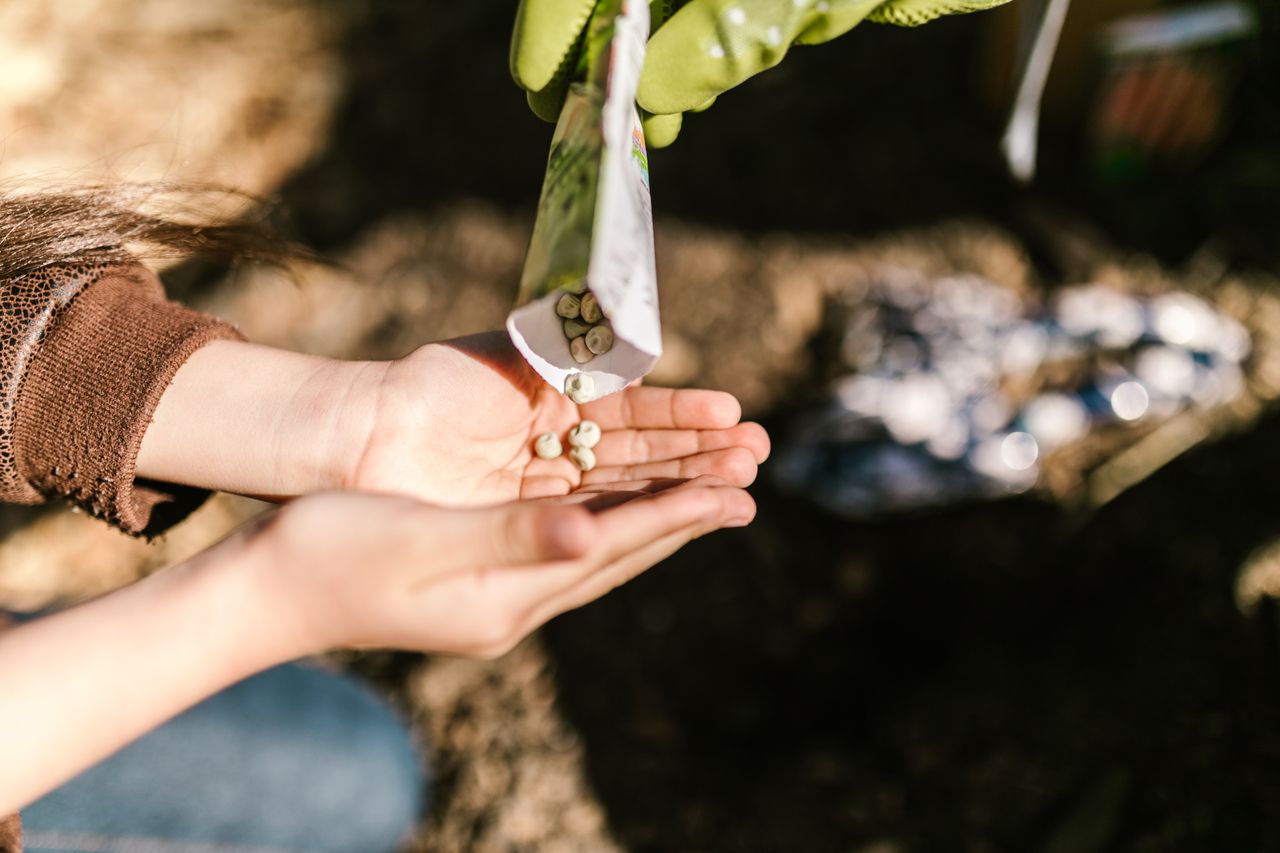
For millions of households, SNAP is primarily associated with weekly grocery basics bought at checkout. But federal USDA guidance also allows recipients nationwide to use benefits for a lesser-known item: seeds and plants that produce food for the household to eat. That rule remains on the books in the Food and Nutrition Service’s current eligibility guidance, which was updated June 4, 2025.
USDA says SNAP benefits can be used for seeds and edible plants
The U.S. Department of Agriculture’s Food and Nutrition Service states that SNAP benefits may be used to buy “seeds and plants, which produce food for the household to eat,” according to the agency’s public eligibility guidance updated on June 4, 2025. In a separate food determinations policy page, the agency says eligible purchases include seeds for edible plants, edible plants themselves, fruit trees, food-producing roots and bulbs, and seeds used to produce spices for cooking.
That means the covered item is broader than many shoppers expect. Eligible examples listed by USDA include tomato and green pepper seeds or plants, asparagus crowns, onion bulbs, and fruit trees intended to grow food for human consumption. The rule applies under national SNAP policy, not as a limited seasonal pilot or store-specific promotion.
The same federal guidance also draws a clear line around what is not covered. SNAP cannot be used for general nonfood household items, and USDA does not classify decorative or non-edible plants as eligible food purchases. Retail treatment can vary by how stores code merchandise, but the governing federal standard is whether the seed or plant will produce food for the household.
What the rule means at grocery stores and farmers markets
For shoppers, the practical effect is that seed packets and food-producing starter plants may be purchased anywhere they are sold by SNAP-authorized retailers and correctly coded as eligible items. USDA’s SNAP program materials say benefits are meant for food and for plants and seeds to grow food for the household to eat, making the policy relevant in both supermarkets and other approved sellers.
That can include spring seed displays at chain grocers, neighborhood food retailers, and some farmers markets that process EBT transactions. What is confirmed at the federal level is the eligibility standard. What is not publicly standardized nationwide is which specific stores stock edible seeds or starter plants year-round, or how prominently those items are merchandised in each state or city.
The federal policy also does not extend to every gardening purchase. Soil, fertilizer, pots, and other garden supplies are not identified by USDA as SNAP-eligible foods. For customers, the key distinction is simple: the benefit can cover the edible seed or plant itself, but not the broader gardening setup unless another item separately qualifies under SNAP food rules.
Why the little-known rule matters as food costs stay elevated
The rule has drawn renewed attention because it offers a way to turn a short-term food benefit into a longer food supply, especially during peak planting months. USDA has long treated food-producing seeds and plants as eligible because they directly contribute to household food consumption, placing them alongside other allowable grocery items rather than outside the program’s food mission.
That context matters as retailers and policymakers continue to focus on food access, nutrition, and the range of items available through SNAP. In May 2026, USDA announced updated retailer stocking standards for SNAP-authorized stores, saying the changes are intended to expand access to “real food” for participating households. Those rules do not create seed eligibility, but they reflect the department’s broader emphasis on food access and nutritious options.
For customers, the immediate takeaway is straightforward: a SNAP balance may cover edible seeds and food-bearing plants if the retailer is authorized and the item is coded correctly. USDA’s current public guidance continues to list those purchases as eligible, meaning the option remains available for households looking to supplement their food budget with homegrown produce.