
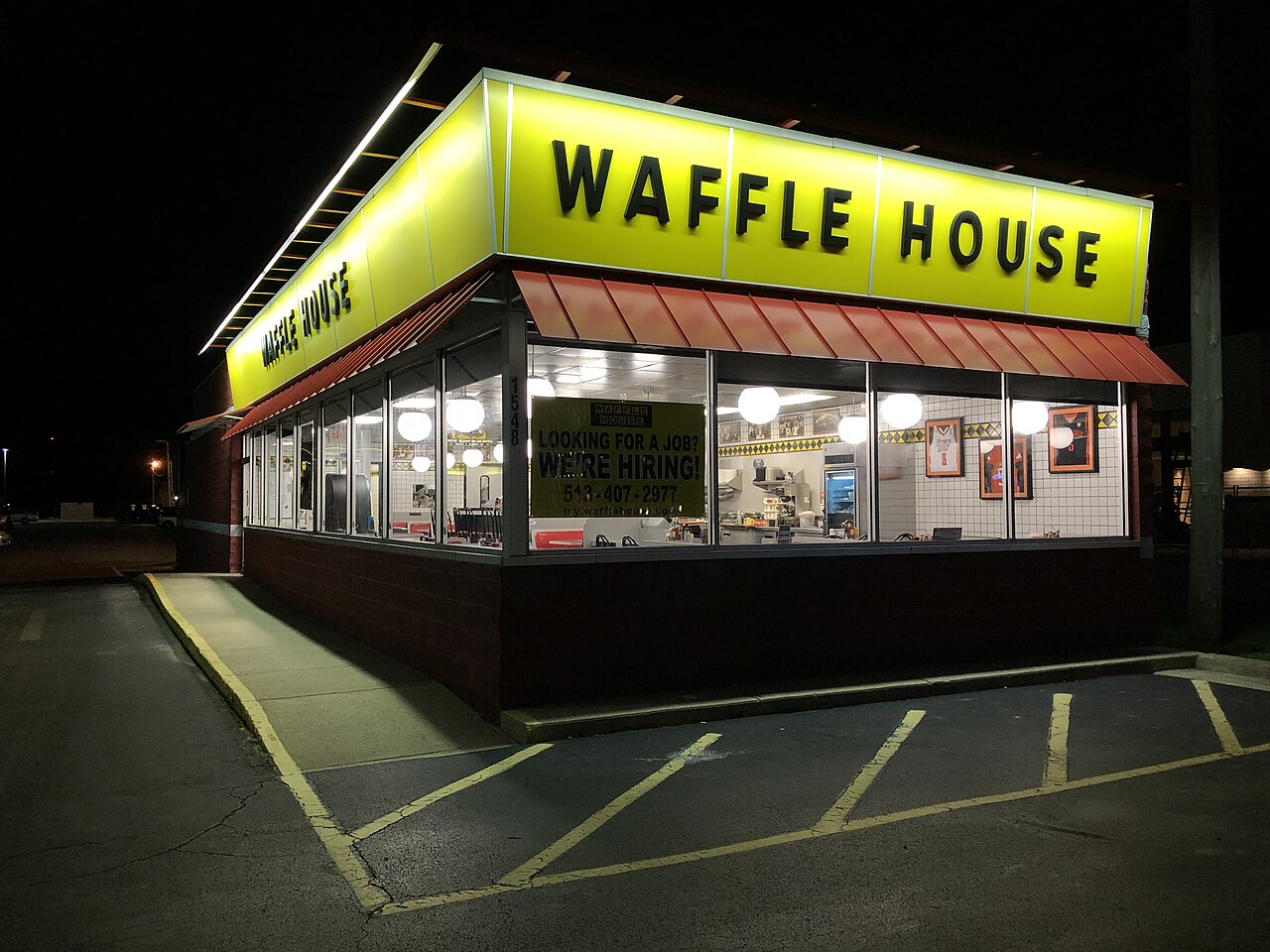
Breakfast chains across the U.S. spent much of 2025 adjusting prices as avian flu disrupted egg supplies and pushed food costs higher. At Waffle House, that pressure landed in a highly visible way when the company added a temporary 50-cent surcharge per egg, a move that gave regular customers a clear marker for how much the economics of a cheap breakfast had changed.
Waffle House put a number on rising costs
Waffle House confirmed on February 4, 2025, that it had added a temporary surcharge of 50 cents for every egg ordered, tying the increase to the national egg shortage and higher prices linked to bird flu. Reuters, ABC News and other outlets reported that the fee applied across the chain’s restaurants, making it one of the clearest menu-price signals customers would see at the table. The company also said it would continue monitoring egg markets and adjust the surcharge as conditions changed.
The scale was significant because Waffle House operates more than 2,000 restaurants across 25 states, according to the company’s own corporate history page. That meant even a modest per-egg charge was likely to be noticed quickly by the chain’s core customers, many of whom order traditional breakfast plates built around two or three eggs. For a chain long associated with low-cost, always-open dining, the surcharge stood out more than a standard menu increase might have.
The company later removed the surcharge after egg prices eased. Georgia Public Broadcasting and other outlets reported in early July 2025 that Waffle House had dropped the fee after nearly five months, saying improved supply conditions and fewer new bird flu cases had helped stabilize the market. Even after the surcharge ended, it had already become part of a wider debate about whether the brand’s value proposition had shifted.
What customers noticed — and what is not officially tracked
What is confirmed is the pricing change itself and the timing around it. What is not officially tracked by Waffle House in public reporting is a national count of customer complaints tied to the surcharge, dining-room cleanliness, or service experience by state or city. The company has not released a public breakdown showing whether any specific markets saw more complaints or traffic pressure after the fee was introduced.
Still, anecdotal criticism became easier to find online as the surcharge drew attention back to the overall in-store experience. In the reference material provided for this story, a NewsBreak article summarized Reddit posts from diners describing sticky tables, flies, loud staff and meals they said did not justify the cost. Those accounts are not the same as audited customer data, but they help explain why the surcharge resonated beyond the extra cents on a receipt.
That distinction matters because Waffle House’s brand has long depended on customers accepting a stripped-down environment in exchange for speed, familiarity and price. When the price side changes, even temporarily, more diners appear willing to re-evaluate the rest of the experience. The company has not released a comprehensive list of affected cities, stores or customer feedback patterns tied to the fee, so the local impact remains partly visible only through scattered public reactions rather than official location-by-location data.
Why a small fee carried outsized meaning for regulars
The underlying cause was broader than one chain. Reuters and other reports tied Waffle House’s surcharge directly to the avian flu outbreak that forced the culling of millions of egg-laying hens and pushed egg prices to record highs in early 2025. In that context, the fee was a supply-cost response, not a standalone brand decision disconnected from the market.
But the customer reaction reflected a second issue: value sensitivity. Waffle House’s identity is built around affordable breakfast staples, and a per-egg surcharge called attention to the cost of an item that customers tend to think of as basic, not premium. That made the increase more visible than a quieter menu rewrite would have been, especially for repeat customers who know their usual order totals.
For customers, the practical takeaway is straightforward. The temporary egg surcharge that began on February 4, 2025, was later removed in July 2025 as market conditions improved, so diners should not expect that specific fee to remain in place. What the episode did show is that even at a chain built on consistency, food inflation can quickly change the math of a routine meal, and customers may judge the full restaurant experience more critically when the bill rises.