
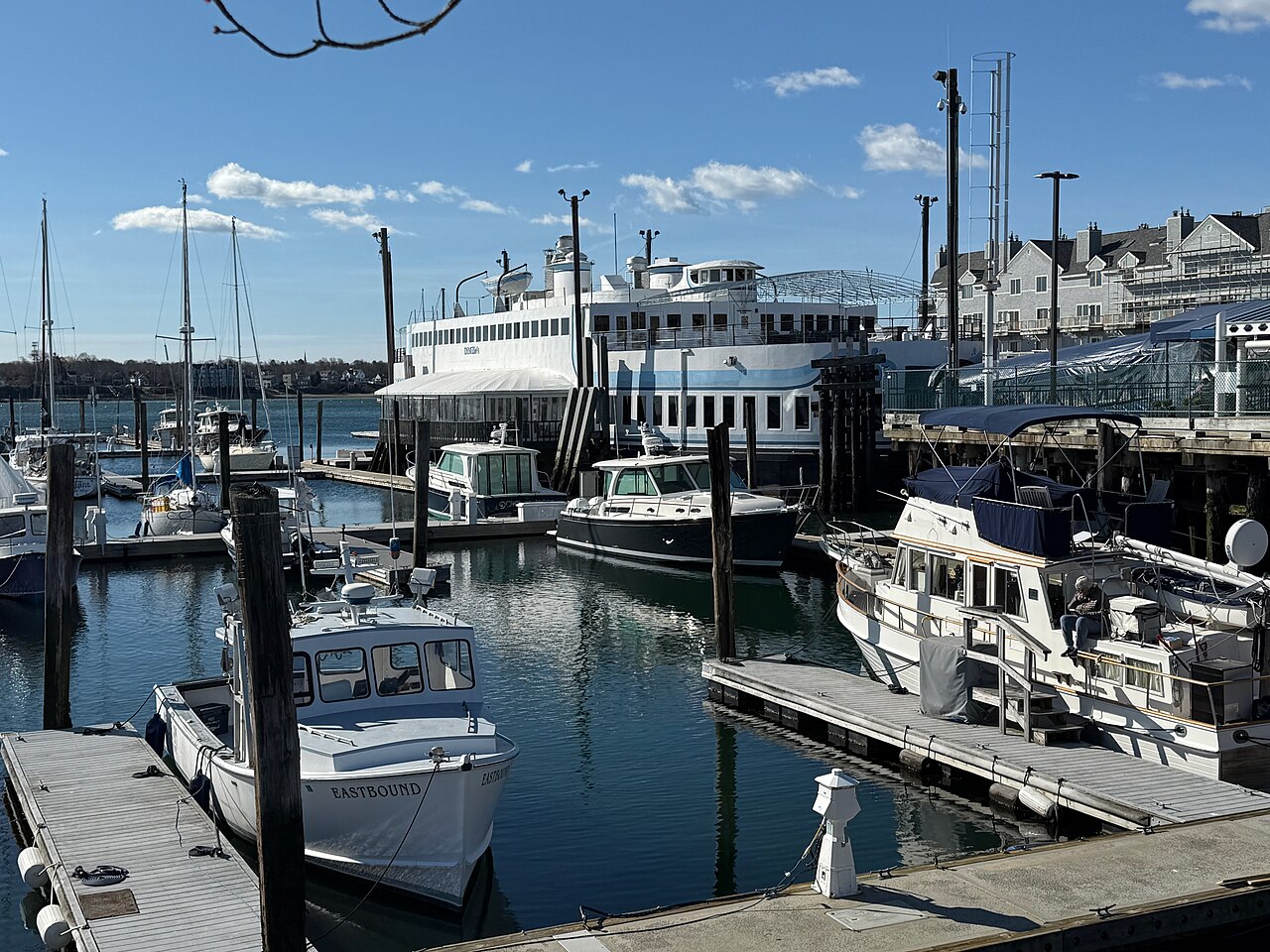
Across the U.S., diners continue seeking restaurant experiences that offer more than a standard dining room and menu. In Maine, that demand still points to a small group of unusual restaurants that remain in operation in Portland, Biddeford, Freedom, South Thomaston, Brunswick, and Scarborough.
Five unusual Maine restaurants are still operating in 2026
Five restaurants identified in recent NewsBreak reporting remain open in Maine as of July 11, 2026: DiMillo’s On the Water in Portland, Palace Diner in Biddeford, The Lost Kitchen in Freedom, The Holy Donut with four Maine locations, and McLoons Lobster Shack on Spruce Head Island. The restaurants differ widely in format, but each is tied to a physical setup or reservation model that is uncommon even in a state known for destination dining.
DiMillo’s continues to operate at 25 Long Wharf in Portland, according to the restaurant’s website. The business describes itself as a waterfront restaurant and lounge and maintains regular dining hours, with its long-running identity tied to a permanently docked vessel rather than a land-based storefront.
Palace Diner also remains in service at 18 Franklin Street in Biddeford. On its history page, the diner states that the structure was built in Lowell, Massachusetts, in 1927 by the Pollard Company, has spent its full life in Biddeford, and is one of two Pollard cars remaining in America.
The Lost Kitchen has also confirmed that its reservation system remains postcard-based for the 2026 season. Its current dinner FAQ says postcards are randomly selected, chosen guests are called in April, dinners are held on Saturdays from May through October, and the 2026 price is $295 per person before tax, gratuity, and beverages.
Where they are located, and what is confirmed about each one
The five restaurants are spread across several parts of Maine rather than concentrated in one tourism corridor. Portland is home to DiMillo’s and two Holy Donut shops, while The Holy Donut also lists locations in Brunswick and Scarborough. Biddeford has Palace Diner, Freedom has The Lost Kitchen, and South Thomaston is home to McLoons Lobster Shack on Spruce Head Island.
Some of the unusual features are confirmed directly by the operators. DiMillo’s history materials tie the restaurant’s public identity to the Portland waterfront and its floating setting, while Palace Diner confirms the car’s 1927 construction date and rare surviving status. McLoons says it operates across from the area’s oldest working lobster wharf and markets the chance to watch lobstermen unload the day’s catch.
For The Holy Donut, the unusual element is ingredient-based rather than architectural. The company describes itself as a maker of Maine potato donuts and currently lists four operating Maine locations: Brunswick, Portland on Commercial Street, Portland on Park Avenue, and Scarborough.
Not every detail in broader coverage is independently confirmed on current official pages. For example, The Lost Kitchen confirms its postcard process, season, address, and pricing, but it does not publish a live public seat count on its current FAQ. Where outside reports describe annual postcard volume or total seats, those figures are not fully detailed on the restaurant’s present reservation page.
Why these restaurants keep drawing attention in Maine
What links these restaurants is not a shared menu category but a business model built around scarcity, setting, or preservation. The Lost Kitchen explicitly says it stayed offline because internet booking was not going to solve its reservation problems and because the restaurant is intentionally small. That explains why the postcard system remains central to its identity in 2026.
Palace Diner’s appeal is rooted in preservation rather than novelty branding. Its operators say the 2021 renovation was intended to give the building strength and vitality for years to come, underscoring that the diner’s draw is inseparable from the survival of a nearly century-old structure still serving daily meals in downtown Biddeford.
At DiMillo’s and McLoons, location does much of the work. One places diners aboard a floating restaurant on Portland’s Long Wharf, while the other places them beside a working lobster harbor in South Thomaston. Those are settings that cannot be easily replicated by chains or new-build concepts.
For customers, the practical takeaway is straightforward: these restaurants are still findable, still operating, and still defined by the same unusual features that made them destinations in the first place. In 2026, Maine’s oddest restaurant experiences remain less about gimmicks than about places that have kept distinctive formats in regular service.