
You do not always need the familiar logo to get a good grocery product. In many aisles, the real difference is less about quality and more about packaging, marketing, and habit.
Private label has evolved well beyond the bargain-bin stereotype. NielsenIQ reported in 2025 that U.S. private label sales were still growing year over year, showing how comfortable shoppers have become with store-brand basics.
Breakfast cereal and basic oats
Breakfast cereal is one of the clearest examples of a category where branding can outweigh substance. For plain toasted oats, corn flakes, rice squares, and shredded wheat, ingredient panels are often remarkably similar, even when the shelf price is not. That matters because cereal is one of the easiest products to compare side by side: whole grain, sugar, sodium, and serving size are all plainly listed.
Consumer Reports has repeatedly found that store brands can hold their own in blind taste tests, and the organization has also noted that store-brand groceries often cost at least 20% to 25% less than comparable name brands. In a high-volume category like cereal, that gap adds up fast over a month. For families buying multiple boxes a week, the premium for a mascot and a national ad campaign can be hard to justify.
The exception is highly specific texture-driven cereals, where some shoppers do notice differences in crunch or sweetness. But for oatmeal, toasted oat rings, bran flakes, and basic granola, the better play is usually to compare nutrition labels and unit prices instead of assuming the biggest brand is best. If the ingredient list and nutrition panel are close, the cheaper box usually wins.
Canned tomatoes and frozen vegetables
Canned tomatoes are another smart place to challenge brand loyalty. USDA maintains grade standards for canned tomato products, and basic versions across brands often rely on the same simple building blocks: tomatoes, salt, citric acid, and sometimes calcium chloride to help diced tomatoes keep their shape. In practice, that means many everyday uses such as soup, chili, pasta sauce, and braises do not require the most expensive national label.
Where the name brand may matter more is in specialty styles, especially premium whole peeled tomatoes or varieties prized for sweetness and low seed count. But for crushed tomatoes, sauce, puree, and standard diced cans going into cooked dishes, store brands are often perfectly adequate. The cooking process itself tends to narrow any subtle flavor gap.
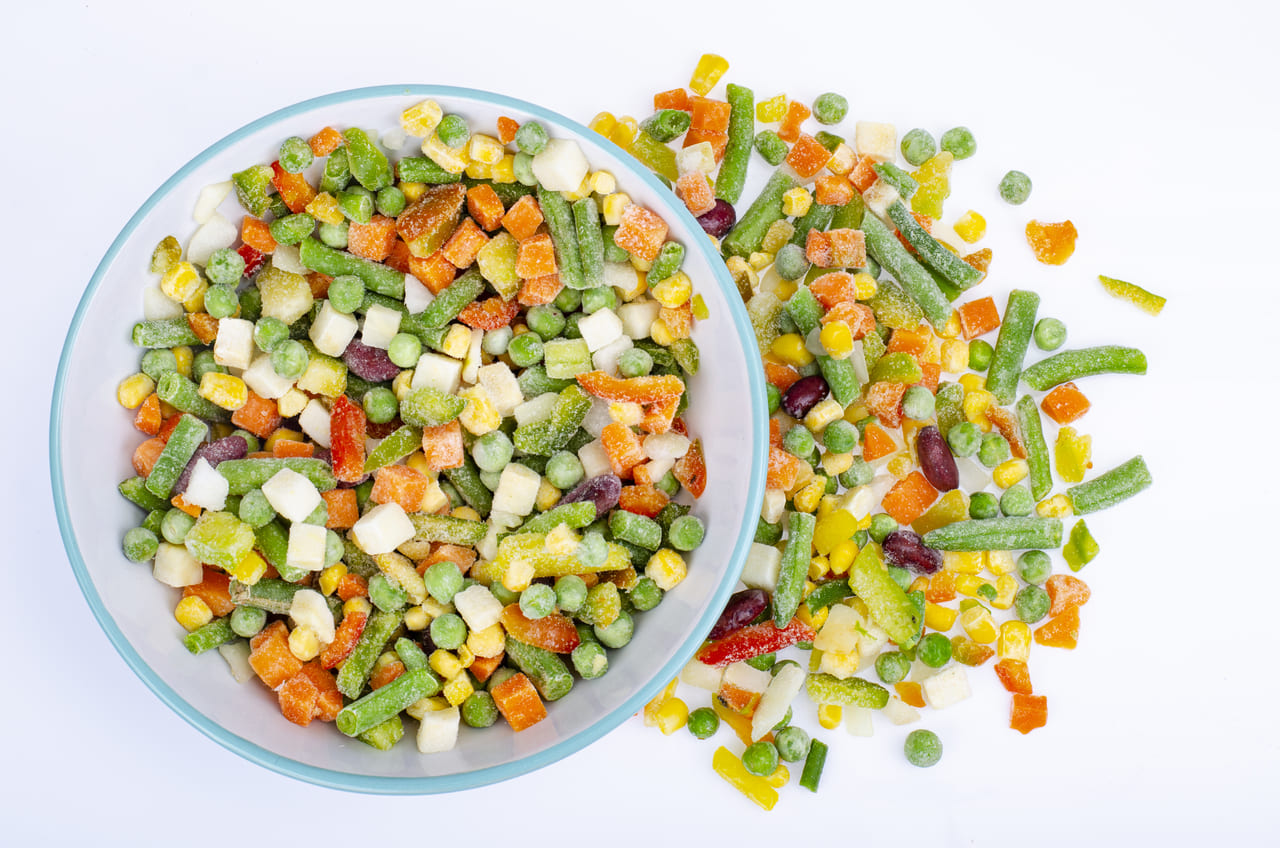
Frozen vegetables follow a similar logic. Consumer Reports has praised some store-brand frozen vegetables for delivering quality comparable to national competitors at lower prices. Since these products are typically processed quickly after harvest, the deciding factors are usually cut size, sauce or seasoning, and whether the bag contains unnecessary extras, not whether the logo is famous.
Yogurt, spices, and pantry seasonings
Yogurt can also be a value trap when shoppers buy reputation instead of reading the label. The FDA’s yogurt standard allows a wide range of safe, suitable ingredients, including sweeteners and stabilizers, so a premium-looking cup is not automatically simpler or better. For plain Greek yogurt, vanilla yogurt, and large tubs used for breakfasts, dips, or baking, store brands can be excellent if protein, sugar, and ingredient lists line up well.
The same principle applies to many dried spices, though with one important twist: cheaper is not the only consideration. Consumer Reports found concerning levels of heavy metals in some herbs and spices across multiple brands, while the FDA has also posted recalls and public health alerts involving ground cinnamon with elevated lead levels in recent years. In other words, a famous brand name is not a guarantee of superiority, but shoppers should still read recall news and buy from retailers with strong quality control.
For garlic powder, oregano, paprika, and cinnamon used in ordinary home cooking, the best strategy is not blind loyalty to either national or store labels. Compare freshness dates, inspect packaging, and buy quantities you will actually finish. In these categories, value comes from smart label reading and turnover, not from paying extra just because a brand is more recognizable.