
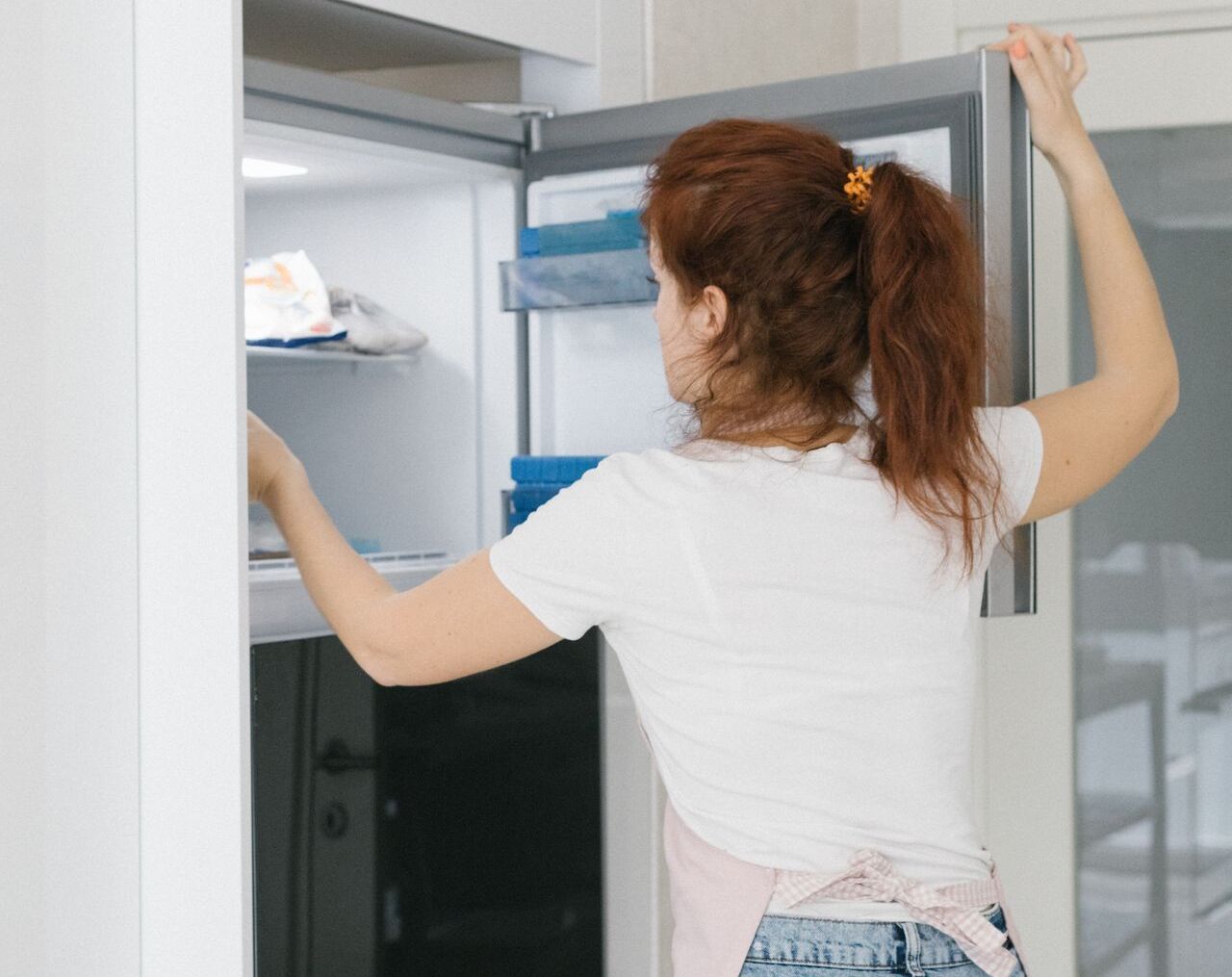
Most people think of the freezer as a simple stop button for food. In reality, it only works well when temperature, packaging, and timing all line up.
That is why experts say many home cooks are not just underusing the freezer, but using it in ways that quietly damage food quality and sometimes food safety.
Your freezer is not a magic time capsule
A surprising number of people treat the freezer like indefinite storage with no downside. USDA and FDA guidance makes an important distinction: food kept at 0°F stays safe for much longer, but quality still declines over time. That means flavor, texture, and moisture can deteriorate even when the food is technically still safe to eat.
This is especially true with leftovers, which USDA says should be frozen within 3 to 4 days and are best used within 3 to 4 months for quality. If you wait too long to freeze them, you are locking in decline rather than preserving freshness. Freezing works best when food goes in at its peak, not after it has already spent too long in the refrigerator.
Experts also stress that appliance settings matter more than many households realize. USDA and FDA both recommend keeping the freezer at 0°F or below, and they note that frequent door opening or weak freezer compartments are not ideal for long-term storage. In other words, a crowded, warm, frost-heavy freezer may be preserving less than you think.
Packaging mistakes are ruining your food
If your frozen meat comes out leathery, discolored, or covered in ice crystals, the problem is often not the freezer itself. It is the packaging. USDA says the porous store wrap used for meat and poultry is often not enough for long-term freezing, and recommends overwrapping with freezer-safe materials to prevent air exposure and freezer burn.
That advice extends beyond meat. The National Center for Home Food Preservation says proper containers protect flavor, color, moisture, and nutritive value, and notes that rigid containers and freezer bags are both useful when matched to the food. Air is the enemy, so bulky containers half-filled with soup or loosely tied bags are a recipe for deterioration.
Vegetables present another common mistake. Many people wash, chop, and freeze them raw, assuming the freezer will do the rest. But the National Center for Home Food Preservation says blanching is essential for almost all vegetables before freezing because it slows the enzyme activity that keeps degrading produce even in frozen storage. Skip that step, and your vegetables may return from the freezer limp, dull, and disappointing.
Thawing and organizing matter more than you think
One of the biggest freezer errors happens after the food comes out. FDA says food should be thawed safely in the refrigerator, under cold water, or in the microwave, not on the counter. And if food is thawed in cold water or the microwave, it should be cooked immediately, because room-temperature shortcuts create the conditions bacteria need.
Organization matters, too. A freezer stuffed with mystery containers and unlabeled bags encourages waste. Experts recommend dating items, freezing in usable portions, and rotating older items to the front. That simple system turns the freezer from a graveyard of forgotten food into a tool for meal planning, budget control, and safer storage.
The smartest approach is to think of freezing as a technique, not a dumping ground. Freeze foods quickly, package them tightly, label them clearly, and use them within their best-quality window. Done right, your freezer can preserve far more than convenience. It can protect taste, cut waste, and make the food you already bought work harder for you.
Good article. Well-made 18+ video sites definitely stand
out today
my page asianxxx