
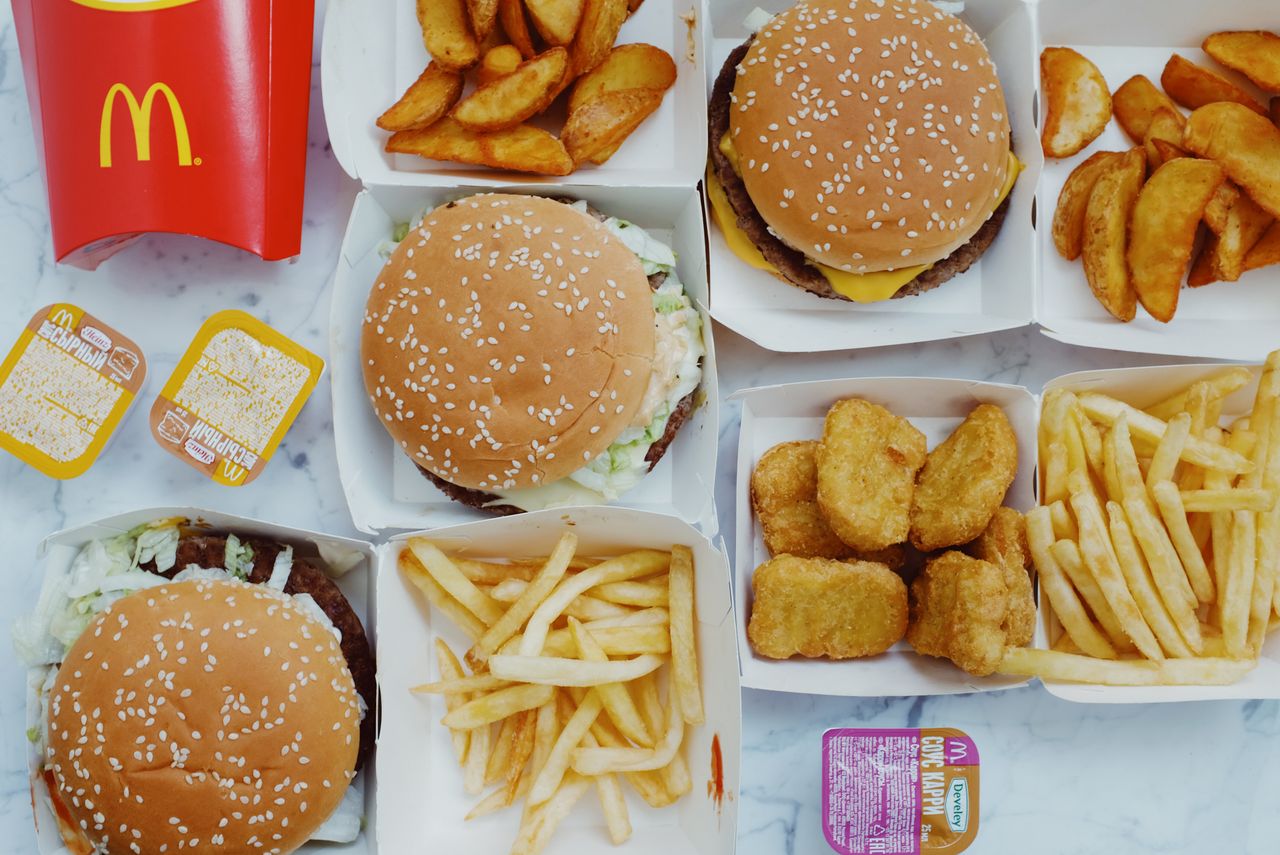
Fast-food breakfast is supposed to feel easy. In practice, some morning menus now deliver the kind of heft that belongs closer to lunch.
I compared breakfast offerings across 10 major chains with an eye on portion balance, richness, salt, and whether a meal actually felt satisfying rather than exhausting. What emerged was less a list of winners and losers than a snapshot of how aggressively chains are competing for the morning customer.
Why fast-food breakfast feels bigger than ever
Breakfast has become one of the most contested dayparts in quick service. The category has kept expanding as chains chase customers looking for lower-cost indulgence, and the Associated Press has reported that restaurants have leaned harder into egg-based breakfast as diners treat morning meals as an affordable eat-out occasion.
That helps explain why menus at McDonald’s, Burger King, Wendy’s, Taco Bell, Chick-fil-A, Starbucks, Dunkin, Panera, Jack in the Box, and Whataburger feel more engineered than ever. There are classic sandwiches, wrap formats, biscuit builds, breakfast burritos, sweet bakery pairings, and value bundles designed to make a small meal turn into a large one quickly.
The nutrition picture explains why some breakfasts become hard to power through. The FDA says adults should keep sodium under 2,300 mg per day, yet many breakfast combinations can consume a huge share of that target before noon. Once you add hash browns, cheese, sausage, bacon, sauces, or biscuits, the meal stops reading as a quick bite and starts eating like a full-day splurge.
That tension shaped my ranking. The best breakfasts were the ones that stayed flavorful without becoming greasy, overly salty, or monotonous after a few bites. The worst offenders were not necessarily bad-tasting; they were simply so dense, oily, or oversized that finishing them felt more like commitment than enjoyment.
The 3 breakfasts that crossed the line
The first nearly impossible finish came from Jack in the Box, where stacked breakfast sandwiches and croissant-based builds can become exceptionally heavy fast. The chain’s breakfast identity has always leaned maximalist, and that abundance works against it when soft bread, processed cheese, egg, meat, and sauce blur into one rich, salty texture after the opening bites.
Whataburger landed in the same danger zone for a different reason. Its breakfast sandwiches and taquitos often feel substantial in a satisfying, Texas-sized way at first, but the larger format can wear you down midway through. Rich fillings, melted cheese, and a strong salt presence create a breakfast that tastes bold but can become physically exhausting to finish.
The third was Taco Bell, especially when breakfast wraps and crunch-heavy builds stack eggs, meat, cheese, potatoes, and sauce into one handheld package. Taco Bell deserves credit for flavor and value, but some of its breakfast items eat denser than their size suggests. The result is a meal that starts fun and ends with palate fatigue.
By contrast, easier finishes tended to come from chains that built in restraint. McDonald’s usually understands balance in muffin-based sandwiches, Chick-fil-A keeps textures cleaner, and Starbucks or Panera can feel less punishing when egg-forward items are not buried under excess meat and starch.
What the rankings say about breakfast now
The biggest lesson from trying 10 chains is that “filling” and “finishable” are not the same thing. A good breakfast should deliver energy, salt, fat, and comfort in proportion. Too many chains now treat value as a license to stack ingredients until the meal becomes a dare.
That trend also reflects the pressure consumers are under. Reuters has noted that restaurant operators are leaning on value messaging as diners pull back on spending, while the Associated Press recently reported McDonald’s continued push to simplify breakfast value offers. Bigger, cheaper-looking breakfasts may win on menu-board psychology even when they lose on actual eating pleasure.
From a food-writer’s standpoint, the chains that perform best in breakfast are the ones that respect limits. A biscuit needs contrast, not just more filling. A burrito needs definition, not a wall of starch. A sandwich should leave you satisfied in 10 minutes, not sluggish for two hours.
So yes, three breakfasts were nearly impossible to finish, but they were also useful. They showed exactly where fast-food breakfast goes wrong: not in ambition, but in excess. Morning meals work best when convenience still feels light on its feet.