
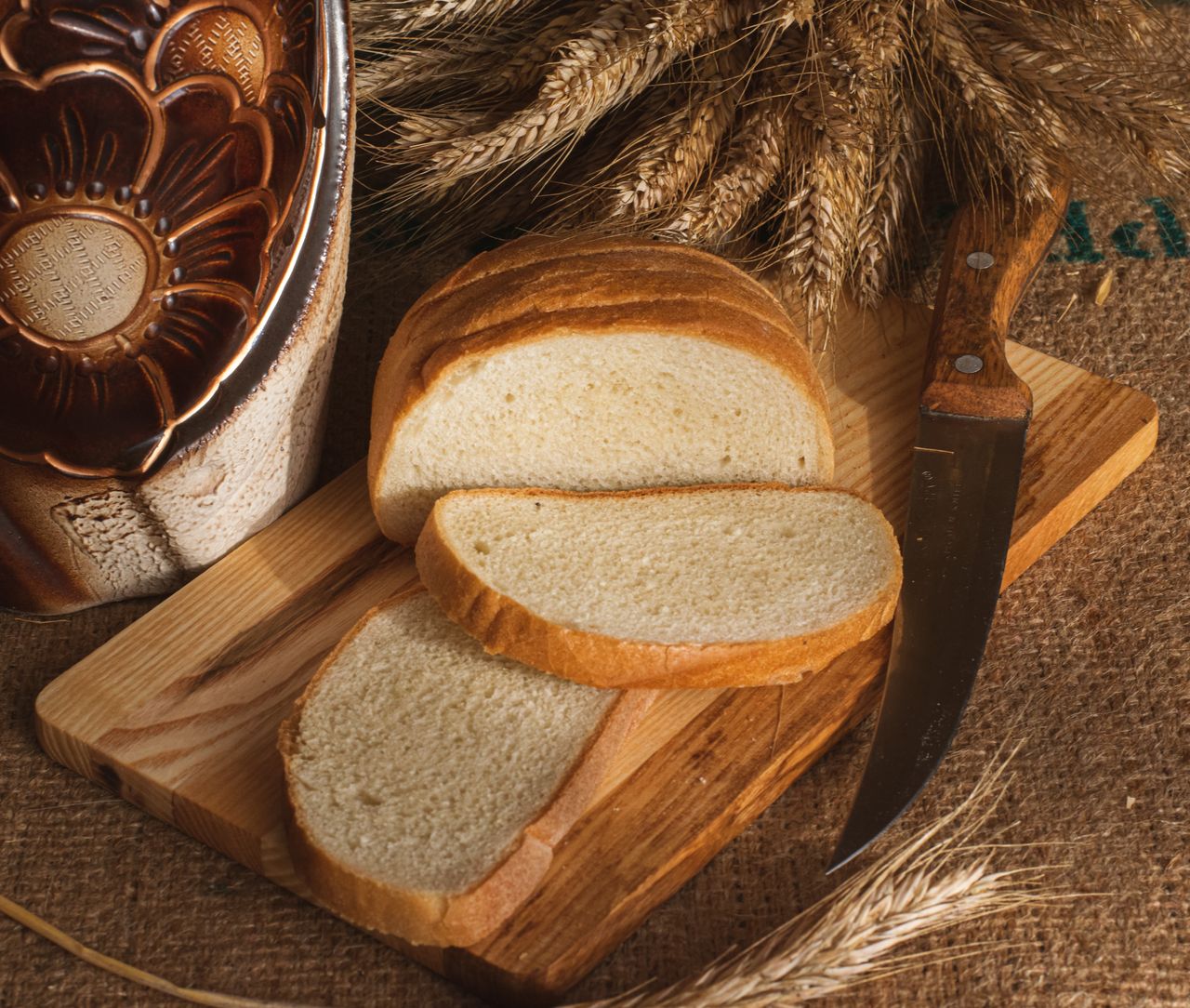
Dry bread feels like a small kitchen defeat, but it is often fixable. The surprising rescue is not butter, broth, or expensive bakery tricks. It is plain water, paired with heat.
Why water is the cheapest, smartest fix
The best ingredient swap for stale bread is almost laughably simple: use water instead of richer add-ons like butter or oil when your goal is to revive, not mask, a loaf. Bon Appétit recently highlighted the method, noting that a quick run under the tap followed by a few minutes in the oven can restore a crisp crust and softer center. The Kitchn tested multiple revival methods in 2026 and also found that dampening bread before reheating delivers the best texture.
That makes water the rare kitchen fix that costs almost nothing, yet performs like a premium upgrade. If you were about to brush a loaf with melted butter, add olive oil, or turn to a packaged softening spray, you are solving the wrong problem. Staling is mostly about moisture migration and starch recrystallization, not a lack of fat.
Water works because oven heat converts that added moisture into steam. That steam rehydrates the bread while warming the starches enough to soften them temporarily. King Arthur Baking has long emphasized how critical steam is for bread texture during baking, and the same principle helps on day two or three as well.
There is one important limit. If bread has visible mold, it is not salvageable. USDA food safety guidance warns that mold on food can spread beneath the surface, and bread is one of the foods that should be discarded rather than trimmed and eaten.
How to use the swap without ruining the loaf
For a crusty loaf, baguette, or artisan roll, run the bread briefly under water or flick water over the surface until the crust is lightly damp, not soaked. Then place it directly on the oven rack in a hot oven, usually around 300°F to 350°F, for several minutes. Bon Appétit says the technique works especially well for bread that is only a day or two past its prime.
This is where the “$3 ingredient swap” really earns the headline. A bottle of olive oil, a tub of butter, or a specialty spread can easily cost several dollars, while tap water is effectively free in most households. You are not adding flavor so much as restoring structure, which means you keep the loaf tasting like itself.
The method is less dramatic on very soft sandwich bread, brioche, or highly enriched loaves. The Kitchn notes that those breads may soften somewhat, but they do not regain the same shattering crust-and-crumb contrast as a rustic loaf. A microwave can soften bread too, but it usually trades crispness for chewiness.
If the loaf is rock-hard, do not force it. At that point, many bakers recommend changing the plan: turn it into croutons, breadcrumbs, strata, or bread pudding instead of chasing a full revival.
When to revive it, and when to repurpose it
Timing matters. Freshened bread is best eaten the same day, because the softening effect is temporary. Bon Appétit notes that once revived, the loaf will stale again, so this is a just-in-time fix rather than a long-term storage strategy.
That is still a meaningful money saver. Grocery prices have trained shoppers to squeeze more from every purchase, and bread is one of the easiest foods to rescue before waste sets in. A revived half-baguette can become dinner alongside soup, a sandwich base for lunch, or garlic toast without requiring another store trip.
When bread is too far gone for the water-and-oven trick, stale does not mean useless. King Arthur Baking recommends grinding dry bread into homemade breadcrumbs or baking cubes for casseroles and stuffing. Those uses often outperform fresh bread because drier bread absorbs liquid more effectively without turning mushy.
The key distinction is simple: dry and stale can often be fixed, but moldy should be tossed. Once you know that difference, the humble water swap becomes one of the most practical tricks in the kitchen—cheap, fast, and surprisingly effective.